In the era of faceless phone snatchers, I miss the chutzpah of the old-school con man
These days, scams tend to come via our digital devices. But I like my swindles street side and in person
Walking up a steep, cobbled street rising out of Istanbul’s Karaköy neighbourhood, I noticed a pedestrian dropping something – a shoeshine brush, it turned out – to my left. My feet were moving faster than my brain, however, and in that brief window of inaction a passing couple retrieved the brush. Behind me, I could hear the grateful exhortations of the shoeshine man.
A day later, on another street nearby, I was surprised when another man dropped his brush. This time it seemed almost flung in my direction. My urban “spidey sense” began to tingle – what were the chances of encountering a second clumsy-fingered shoeshiner within 24 hours? Intuiting that something was afoot, I walked on.
Later, research confirmed the existence of a cunning con on the streets of Istanbul. The hapless mark retrieves the brush, hands it to the exuberantly thankful shoeshine man, who then insists on demonstrating his gratitude with a complimentary – and, by all accounts, mediocre – polish. With a captive audience, the man unspools a tale of woe, concluding with a request for a donation. Like most grifts, it plays more on human emotion than deception, as we bathe in the warm afterglow of having helped this man (who we might imagine as a plucky, hard-working character out of a Vittorio de Sica film). “The best confidence artist makes us feel not like we’re being taken for a ride,” writes Maria Konnikova in The Confidence Game, “but like we are genuinely wonderful human beings.”
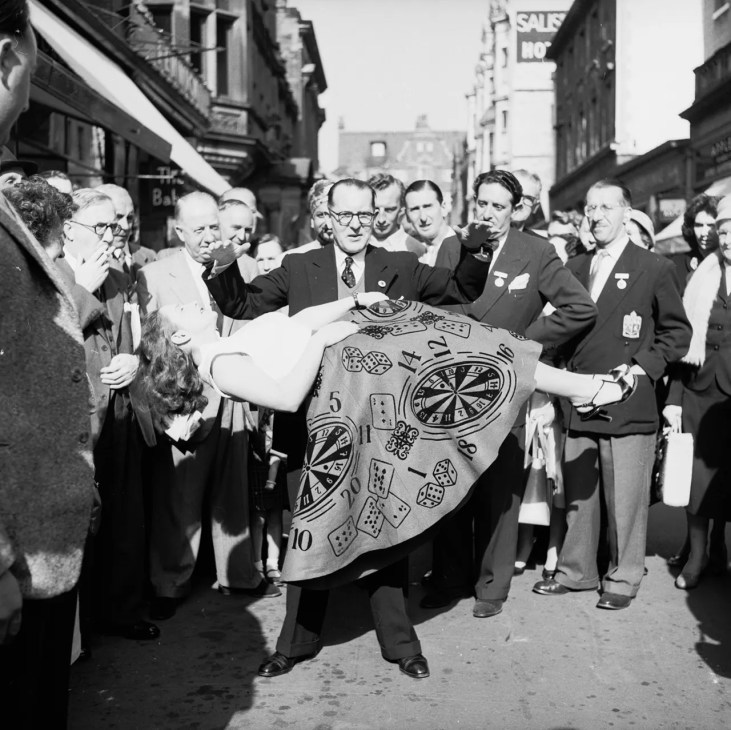
The experience made me curiously nostalgic, thinking back to all the street hustles that I had fallen victim to, almost as a rite of initiation. There was the man who I thought that I had bumped into in a subway tunnel in 1990s New York (actually, he had bumped into me) – an act that resulted in a pair of broken glasses and my withdrawal of cash from an ATM. There were the supposed tradesmen who pulled up to me (on several occasions) on the street in a van, claiming that they had stumbled upon some high-quality speakers “on a job”. There were elaborate tales of misfortune and, sometimes, just petty crime (that camera that was sliced out of my backpack years ago in Madrid’s El Rastro market).
These memories made me nostalgic not only because they were moments from my past but because the whole idea of street scams now seems so antiquated. These days, scams tend to come via our digital devices. Looking at the “cons and scams” section of the website of the National Association of Bunco Investigators (“bunco” being an archaic term for fraud in US law enforcement), I found that most seem to involve computers or smartphones – think the “Venmo scam”, “Sim swapping” or the “Jamaican-lottery scam”. There are the text messages that begin with a chatty, seemingly misdirected question – “Did you end up going to Andrew’s party?” – an opening gambit in a “pig-butchering” campaign conducted by trafficked workers in some Cambodian border town. Recently, authors (like me) have been targeted by AI-assisted emails from fake marketers or proprietors of phantom “book clubs”, who claim that they can help generate attention for our wonderful but unjustly overlooked works.
So encountering this picaresque street theatre (of a sort) was almost refreshing, particularly given the energy and brio required to turn in the performance, when it might be easier to simply ask for money or more lucrative to just snatch iPhones. The street con requires a violation of sociologist Erving Goffman’s concept of “civil inattention”, that delicate dance consisting of at once being cognisant of our fellow inhabitants of crowded urban spaces and ignoring them.
The confidence man thrived in the great wave of 19th-century industrialisation, as naive newcomers flooded burgeoning metropolises. These days this process is re-enacted in tourist-thronged cities such as Istanbul, where visitors – jet-lagged, distracted, open to experience – are seen as potential marks. Hence the figure who caught me looking unsurely for the entrance to the Basilica Cistern and helpfully pointed me to the right spot, without forgetting to squeeze in a short pitch: “Are you looking for a rug, my friend?” In my time in Istanbul, I never did get an unwanted shoeshine but if I had, the small amount that I would have coughed up would have been worth it – a price of entry to the great and timeless spectacle of urbanism.
Journalist Tom Vanderbilt is a regular Monocle contributor. For further opinion, analysis and insight, subscribe today.
Want to read more by Vanderbilt? Try these:
– Used with consideration, smartphones can deepen our connection to the present
– Throwing shade: The dark secret of cities that know how to stay cool
– What I gained from replacing the self-checkout with small talk