Rio’s extraordinary Costa Brava Clube began with a tent on the sand
Brutalism, bossa nova and a closer relationship with nature flourished in Brazil’s second-most populous city during the postwar years – inspiring architect Ricardo Menescal to dream up this long-cherished club.
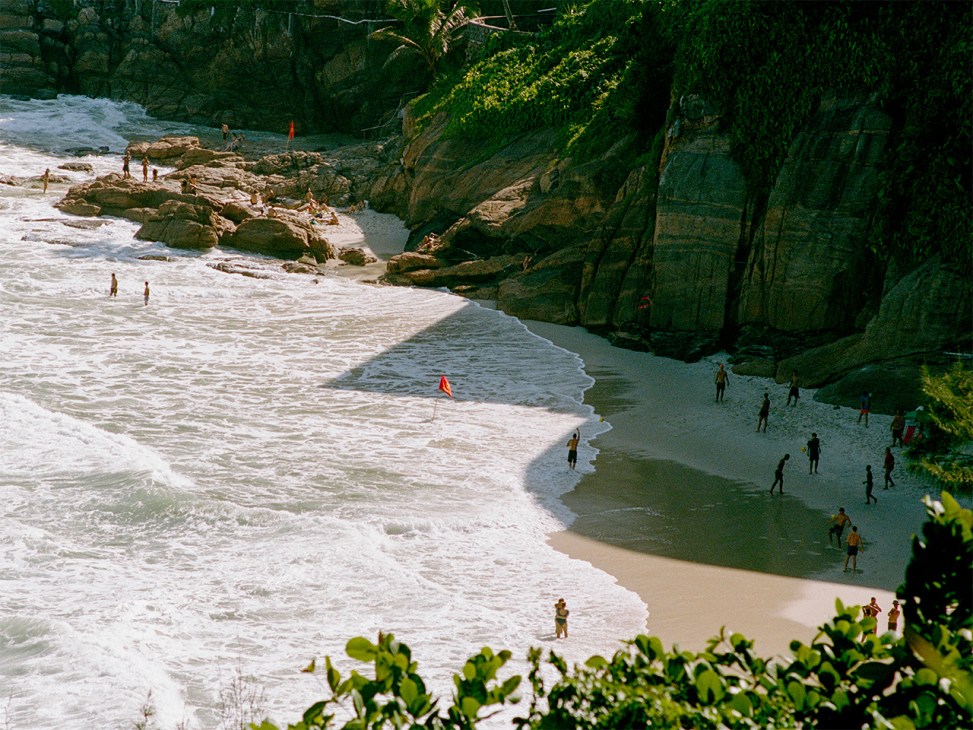
Drive south from Rio de Janeiro along the coastal roads and the route will soon start veering gently west, until you spy the Atlantic glittering beyond the white sands of Praia da Joatinga. It’s here, between the shores of São Conrado and Barra, that a 25-year-old architect, Ricardo Menescal, imagined what has become one of the city’s most enduring icons. “This place will be mine,” he is said to have muttered to one of his siblings during a 1960s camping trip during which they pitched their tent on the beach. “I shall build a club here.” And that’s precisely what he did.
The Costa Brava Clube, perched among the coves, cliffs and grottoes carved by the Atlantic waves, opened to members in 1962 – the same year that his younger brother Roberto, a musician, had a bossa-nova hit with the anthem “O Barquinho”. Both that song’s melody and the architectural harmony of Ricardo’s club remain symbols of a moment of hope, creativity and a redrawing of the Carioca character that echo to this day.
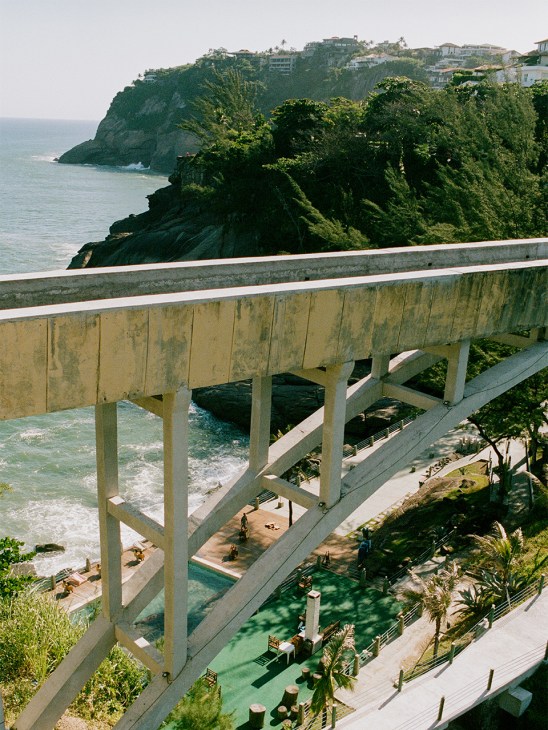
The club was erected on Ponta do Marisco (“Seafood Point”) – the furthermost point jutting into the sea. Through the sale of membership bonds, Ricardo secured enough members, to provide him with sufficient resources to realise his vision. His goal was to create a club that would foster a sense of community among those living close to the Joá cliff.
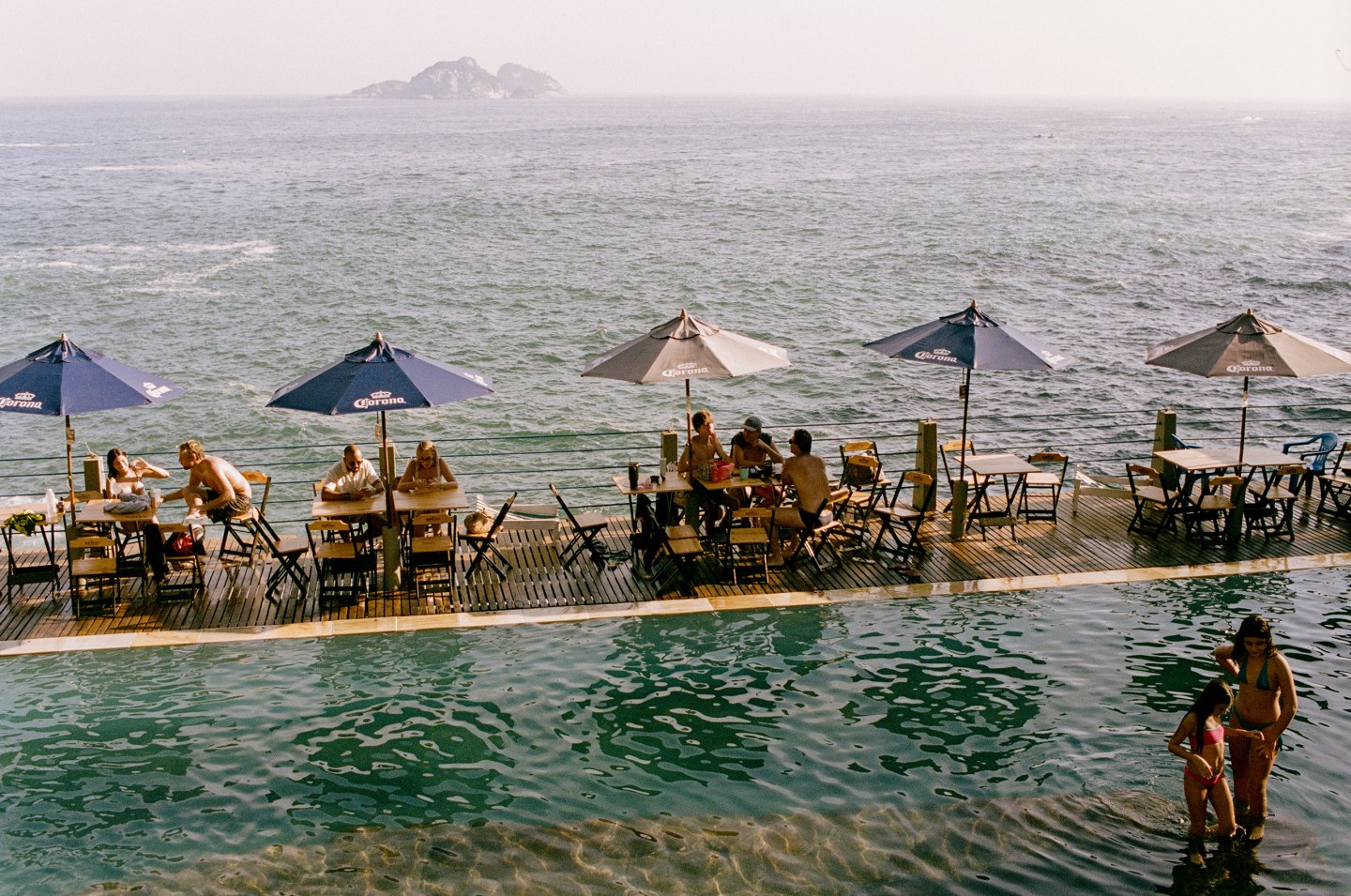
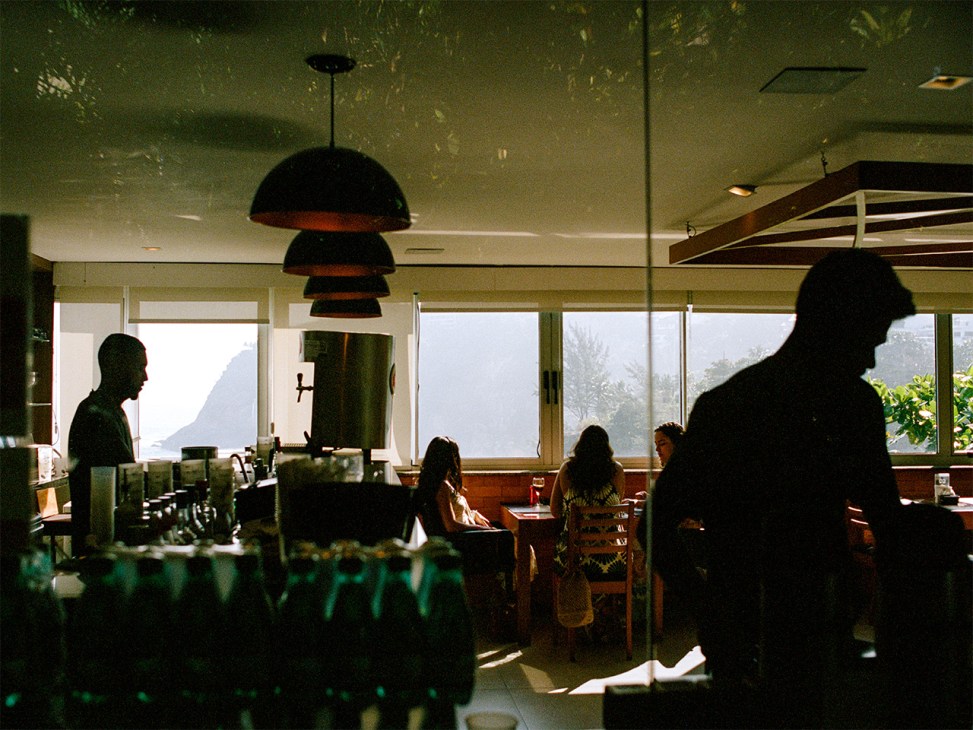
Its construction started with a horizontal, curvilinear residential building that was adapted to the terrain (it probably wouldn’t have met today’s building regulations). A concrete fortress dedicated to leisure and pleasure, the club comprises function rooms, restaurants, ballrooms, thermal baths, a spa and a terrace with a swimming pool that offers beautiful views of the Cidade Maravilhosa’s now popular – but at the time undeveloped – coastline.
Central to Ricardo’s plans was a question that many designers struggle with: can you improve on nature? And how can an architect enhance its beauty? Many cities are made attractive by the built environment but this Atlantic outpost of almost seven million people offers breathtaking landscapes, beaches, forests and mountains. Look closer, though, and there’s also a strain of architecture that feels as Cariocan as Ipanema, the dramatic Sugarloaf mountain or the cool embrace of the waters of the Lagoa.
By the 1950s, the Rio that we know was taking shape as a place of experimentation, creativity and pleasure. Unlike powerful Brasília or business-minded São Paulo, there was space here to blur lines, to seek harmony between buildings and nature.
“Seu” Madureira was the site foreman at Costa Brava during the club’s construction in the early 1960s, when he co-ordinated teams of workers. He recounts the astonishment of Joá’s residents at the creation of the access bridge to the club, spanning a 96-metre gap over an isthmus with a post-tensioned beam – a method so ambitious and complicated that, to this day, it’s typically only feasible in vast public projects.
Madureira, who is endlessly fascinated by the structure that he helped to build and maintain, oversees the upkeep and booking of the sports courts. As one of the oldest and longest-serving members of staff, he is quick to share insights and knows every detail of the building. He’s also rather popular, as Monocle finds out on a visit, amid hails of praise and cries of “Bom dia!” (“Good morning!”). Madureira recalls with joy Ricardo’s creativity in inventing a system for capturing and pumping seawater into the swimming pool near the beach.
In some ways, the club’s heyday was in the 1960s and 1970s, when membership bonds were fiercely contested and its daring architecture was considered novel. Costa Brava still has about 800 members. For decades, however, its fortunes have waxed and waned. Eduardo “Duda” Gurgel, the current president, is today busy restoring the lustre of the past with some sense of why the place still matters and what it stands for. Is it an architectural oddity? A modern amenity? A failed utopia?
Fascinated by the club’s history, Gurgel guards a treasure trove of old photographs and the building’s original technical drawings. He says that condominium towers – a style of building that came to define the city’s postwar look – once also housed pools and amenities such as saunas and spaces for residents keen to meet and socialise. Alas, no more.
Beyond his architectural achievements, Ricardo was an energetic entrepreneur and adventurer. He was a pioneer of mountaineering in Brazil and founded the nation’s first hiking and camping club. He undertook some of the most difficult ascents of Sugarloaf Mountain – a neat metaphor, perhaps, for surmounting nature while respecting it. After the success of the Costa Brava, Renato, the youngest of the four Menescal brothers, joined Ricardo to design more than 50 other clubs. More than a decade after the latter’s death in 2002, Costa Brava Clube – a building deemed radical by some and strange by others – was recognised as part of the city’s cultural heritage. His name now graces the handsome belvedere on the Joatinga cliff where he first saw the site that inspired him to build. A memento of a creative flash.
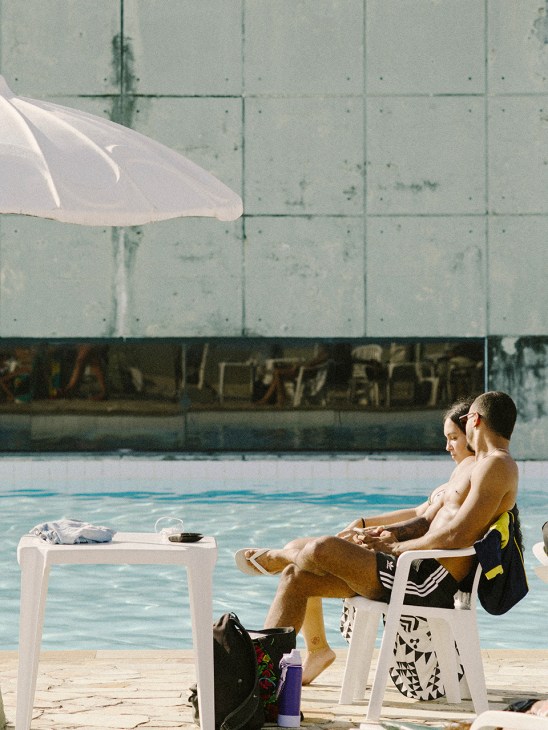
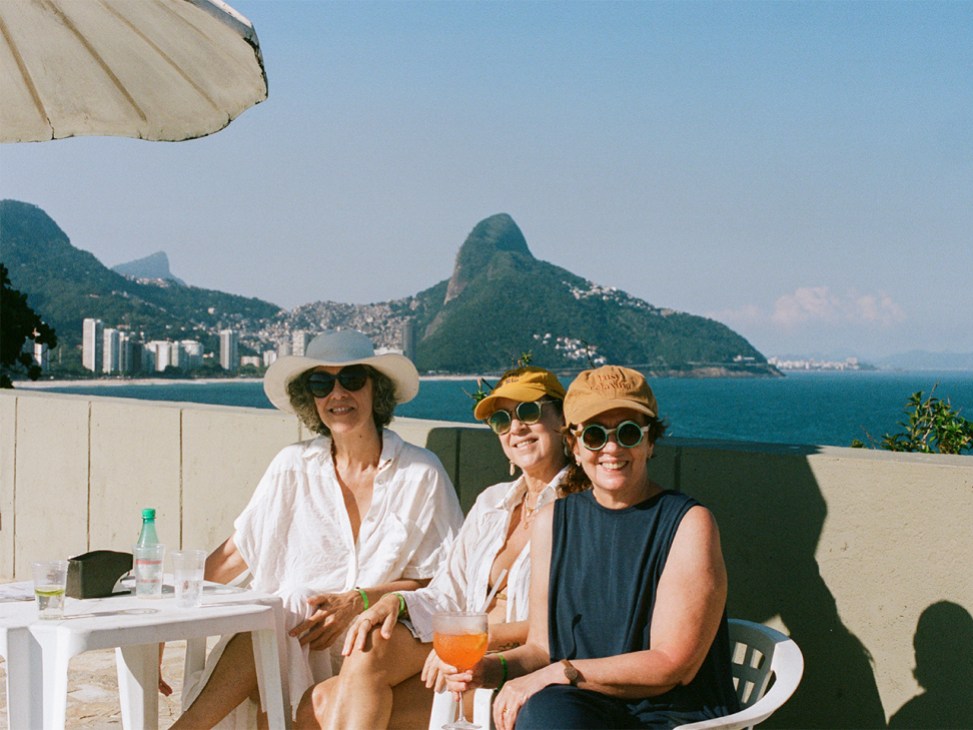
The club today might be time-worn but something of the optimism of the original design remains. Yes, there are the snaps of long-ago parties and delirious carnival balls to pore over, but the success of the structure can’t be captured in faded photographs. When Monocle visits, young couples play in the saltwater pool, while scuttling children and the elderly are united by bronzed bodies and a feeling more vigorous than mere nostalgia. You can imagine that sun-soaked heyday and mid-century optimism. Swap that funky soundtrack for some bossa nova, narrow your eyes to the midday sun, and you could easily believe you were back when this adventure began.