Biometric borders are in danger of turning seamless scheme into unseemly scenes
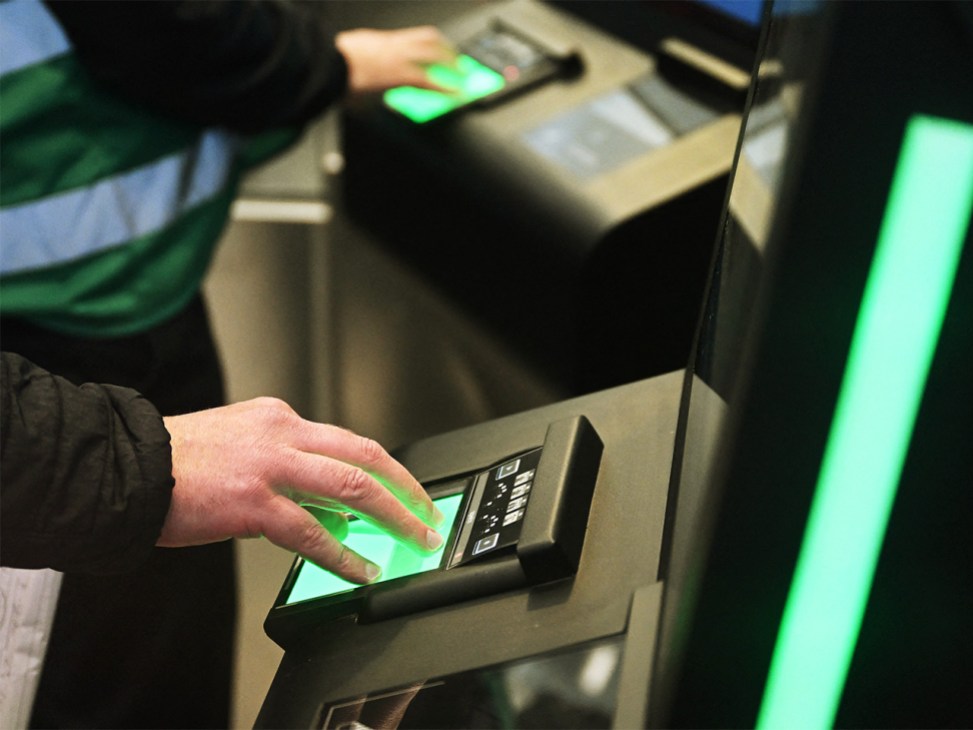
After years of delays, the EU began quietly phasing in its new Entry/Exit System a few days ago. The bloc’s long-delayed biometric border system aims to replace passport stamps with seamless automation and some airports and land crossings are trialling the technology ahead of a wider switch in 2026.
Even before this, though, airports across the continent had buckled under the strain over the summer: electric gates froze, queues coiled through terminals and staff reached for pens and paper. If Europe can’t keep simple passport scanners running in July, how will it manage a continent-wide system reliant on fingerprints, facial recognition, constant connectivity and flawless synchronisation?
The system – first slated for 2022 – was postponed after Germany, France and the Netherlands admitted that their border infrastructure wasn’t ready. But even after a cyber attack knocked out check-in systems from Heathrow to Berlin last month, Brussels has pressed ahead with a “phased rollout” – code for muddling through. The concept promises to create frictionless borders but, in practice, it seems that it might create new forms of friction.
As an American, I have already lamented my missing passport stamps – those small ceremonies of ink and acknowledgement. A red entry from Denmark, as precise as the country’s design culture; elegant Arabic script from Oman, stamped before I set out into the Empty Quarter. Each was a quiet ritual: proof that you had crossed a threshold and someone had noticed.
But this isn’t about nostalgia. It’s a question of whether the replacement works. The EU’s new apparatus seems to assume perfect conditions: technology that never fails, databases that sync instantly, airports that maintain their systems, travellers who present themselves at precisely the right angle to precisely the right sensor. Will it collapse under the weight of peak holiday crowds?
I love frictionless movement. Cities with great transport. Airport security that simply flows, such as the new terminal in Portland, Oregon. Indeed, any design that respects people’s time. But true efficiency isn’t about deploying the most advanced technology. It’s about using tools that function under pressure. By and large, the old system worked. A stamp could smudge or an agent could be slow but the line generally kept moving. But when biometric gates break, everything stops.
Industry groups have warned against launching untested systems. “A huge risk, potentially leading to widespread disruptions,” said Olivier Jankovec, the director-general of trade group Airports Council International Europe. He could well be proved right.
What we could be losing isn’t just the poetry of passport stamps but also reliability. The old ritual wasn’t only bureaucracy – it was soft power too, rendered visible in ink. The European Commission couldn’t exclude the possibility of further delays before the system launched. That should have been the signal. When the people building the infrastructure admit that they can’t guarantee that it will function, perhaps it isn’t ready.
Colin Nagy is a Los Angeles-based writer and strategist. For more opinion, analysis and insight, subscribe to Monocle today. Further reading? The CEO of Dubai Airports isn’t waiting on the world to change.