Cities
Hong Kong's West Kowloon transforms neglected reclaimed land into the world's largest cultural hub, while Beirut architects reimagine public spaces after devastating blast damage.
Parks and recreation
Hong Kong — Urbanism
Once a neglected plot of reclaimed land facing Hong Kong island, West Kowloon is now home to Art Park, the largest cultural hub of its kind in the world. Between the curves of a 23 hectare park sit 17 venues, including an opera house, several concert halls and exhibition spaces. The next addition, Hong Kong’s new contemporary art museum M1, is due to open later this year.
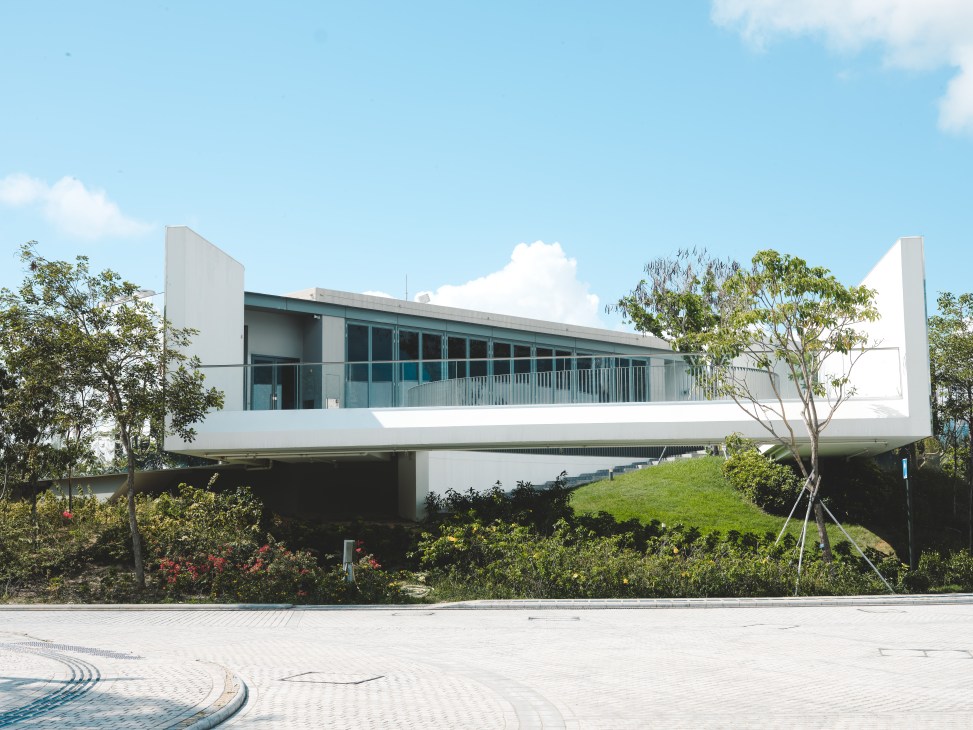
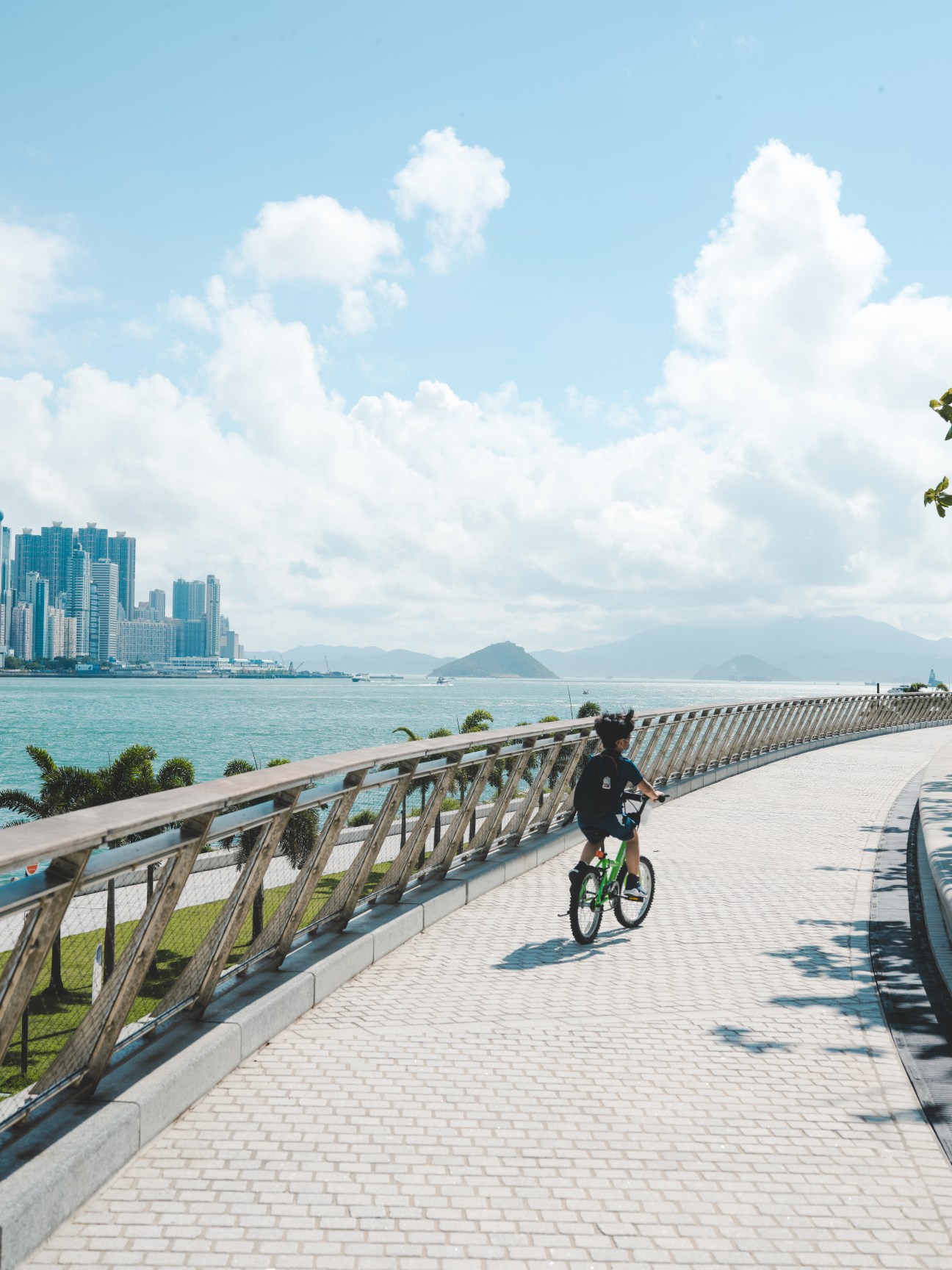
Designed by Foster 1 Partners, the district has become a favourite spot for weekend picnics and family strolls. Smart bikes can be rented and cafés and restaurants border the harbour. Over the summer, the Art Park’s vast lawn also plays host to a number of music festivals.
“Cultural buildings can become quite isolated from the rest of the city so we wanted to make sure the district was a vibrant piece of the city fabric,” says Colin Ward, a senior partner at Foster 1 Partners. “We wanted to create a park that redefines public space for people in Hong Kong – a park that is available for everyone at any hour of the day and on any day of the year.”
Fresh start
Beirut — Planning
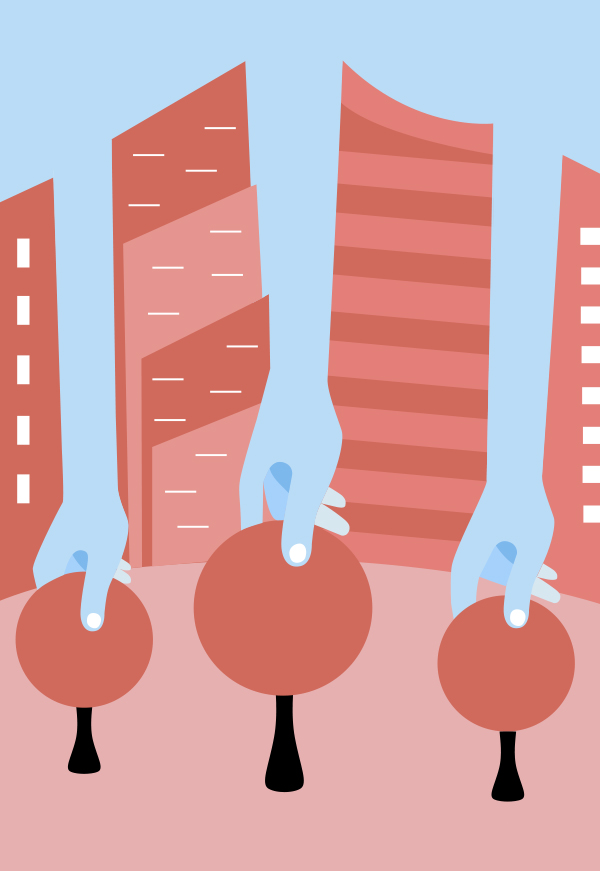
After a blast destroyed large parts of Beirut in 2020, not everyone agreed that reconstructing the city as it once was would be the right approach. An initiative involving seven of Lebanon’s architecture schools is rethinking empty spaces. “There are opportunities to create public spaces in the area hit by the blast,” says Jad Tabet, president of the Order of Engineers and Architects of Lebanon. Turning the project into reality might not be easy, but Tabet is optimistic, using “a mixture of some official administration, ngos, orders of architects and lawyers, private individuals and Lebanese expats who want to help”. Co-ordination is difficult, he says, but it’s working. “I’m confident that a year from now, 80 to 90 per cent of the neighbourhoods will be reconstructed.”
Booksmart moves
Santiago — Renovation
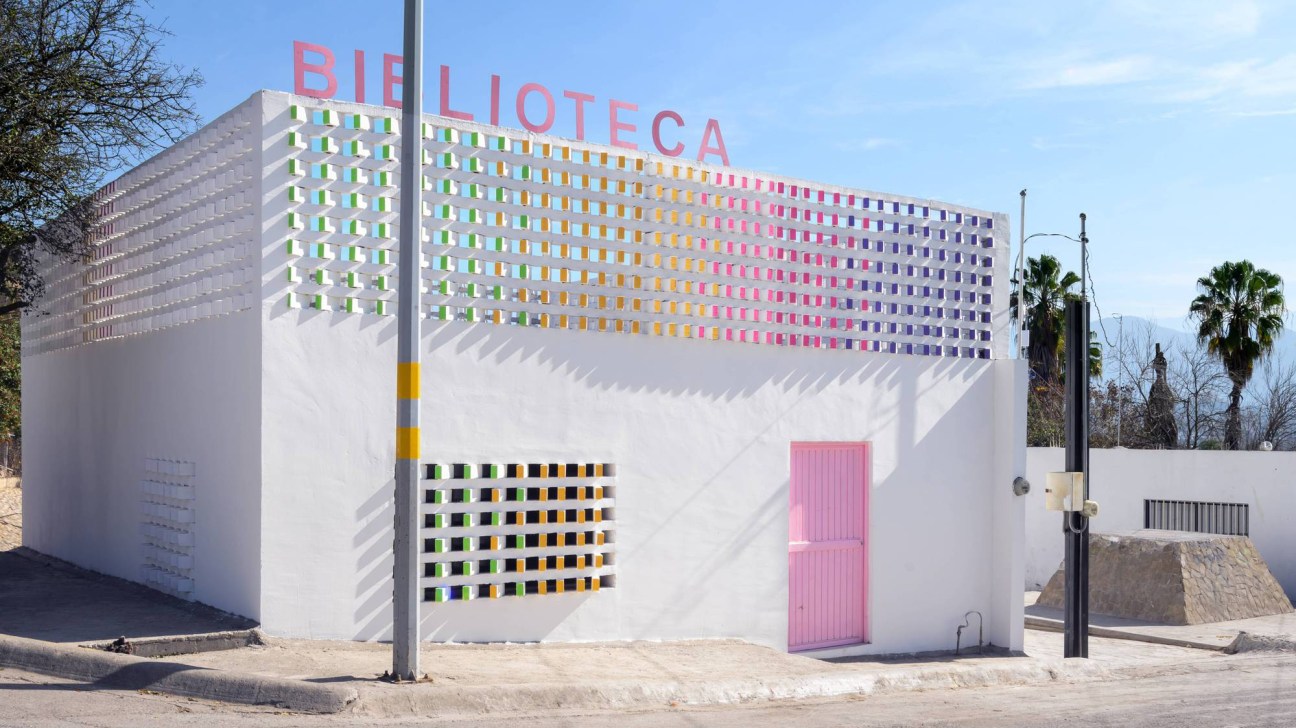
Tired and uninspiring public libraries in Mexico have prompted architecture group Proyecto Reacciona’s Crear Comunidad project. Finding libraries in poor condition across the country, such as the newly finished Colonia Héctor Caballero Library in Santiago, the programme rebuilds them with input from the community. In Santiago, that involved a smart move to transform a derelict cellar into a cinema and reading space for young people.
Q&A
Carlos Moedas
Engineer & candidate for mayor of Lisbon
Portugal
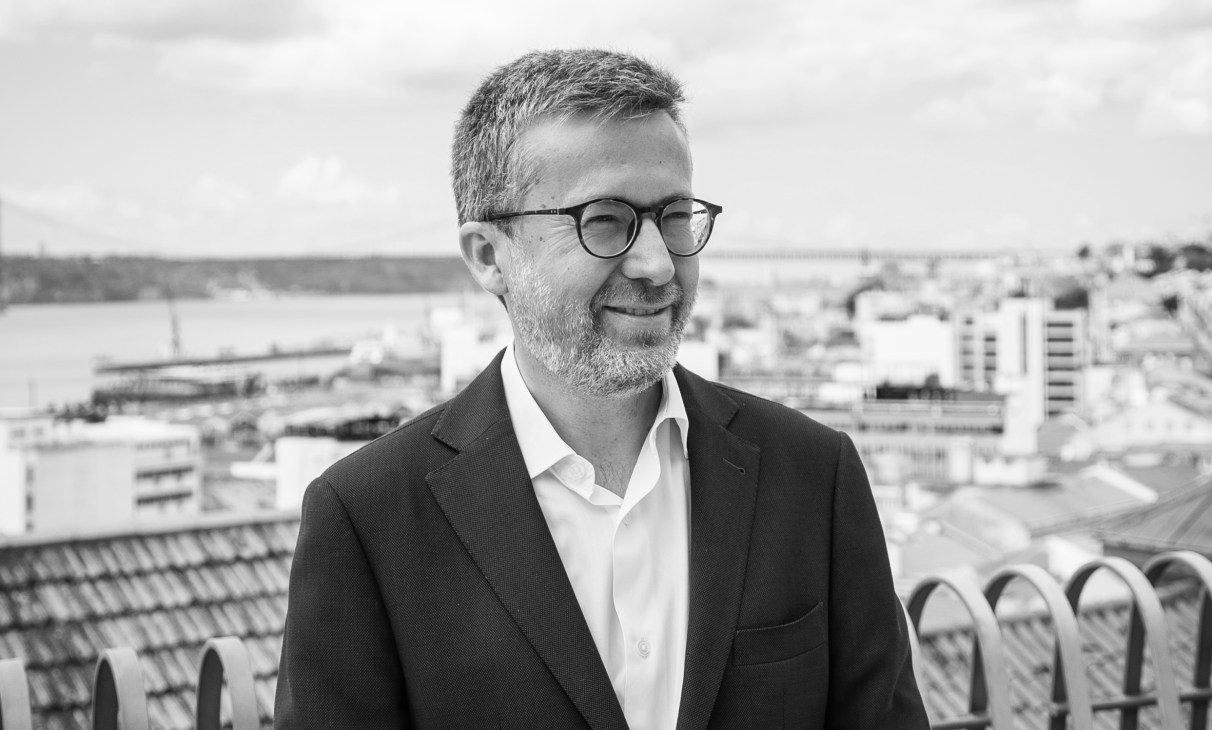
After years as a member of parliament and secretary of state for Portugal and five years as European commissioner for research, science and innovation under Jean-Claude Juncker, Carlos Moedas is turning to local politics. He tells monocle about his bid to win Lisbon’s mayoral elections in September.
What made you want to get involved in local politics?
Cities have to come up with the solutions to today’s challenges. Lisbon has to be in the first league of cities in Europe and even at world level. Lisbon isn’t there yet and the question is, why not? We have so many unique attributes here but we are not where we should be. I want to contribute to a city that has more ambition. I always say, “We can be more than we imagine.”
Science and technology are a big part of that ambition…
Lisbon doesn’t produce companies that grow and generate jobs at the speed of other cities. So the idea I have is to make Lisbon a business factory: somewhere people have the discipline of work and organisation. The important thing isn’t the idea but the process in creating businesses.
Where else do you want to act?
Lisbon has the potential to be a cultural capital but for that we need equipment: more libraries, spaces for theatre and music rehearsal. People should co-create public policies. I would have a permanent citizens’ assembly, where people would be chosen randomly to have a say in their city.
Images: BS/DDPS, Getty Images, US Air Force, Hector Padilla Ferraris