How Milan’s central Brera neighbourhood became a premier creative hub
Home to hundreds of showrooms and events where brands compete for visibility, Brera is one of Milan Design Week’s most bustling areas. This is the story of how a historic district became a premier…
Wander around Brera during Milan Design Week and you might assume that the upscale quarter is the city’s traditional design epicentre. Today it’s where top brands – including from the worlds of fashion and lifestyle, as well as furniture and lighting – want to be seen. Though there are packed Fuorisalone events stretching from Tortona to Porta Venezia, you’re still likely to spot some of the week’s longest queues in Brera. But it wasn’t always this way.
For years, Salone del Mobile dominated Milan’s design scene. Established in 1961, the trade fair was originally held near the CityLife area and there were few co-ordinated events elsewhere in the city. Brera wasn’t as exclusive as it is today, though it was clearly a place with a lot of potential. “It is a central part of the city, close to Piazza San Babila,” says Gilda Bojardi, the editor of Interni magazine since 1994 and a long-time resident of the neighbourhood. “But at one point, it was far more affordable.”
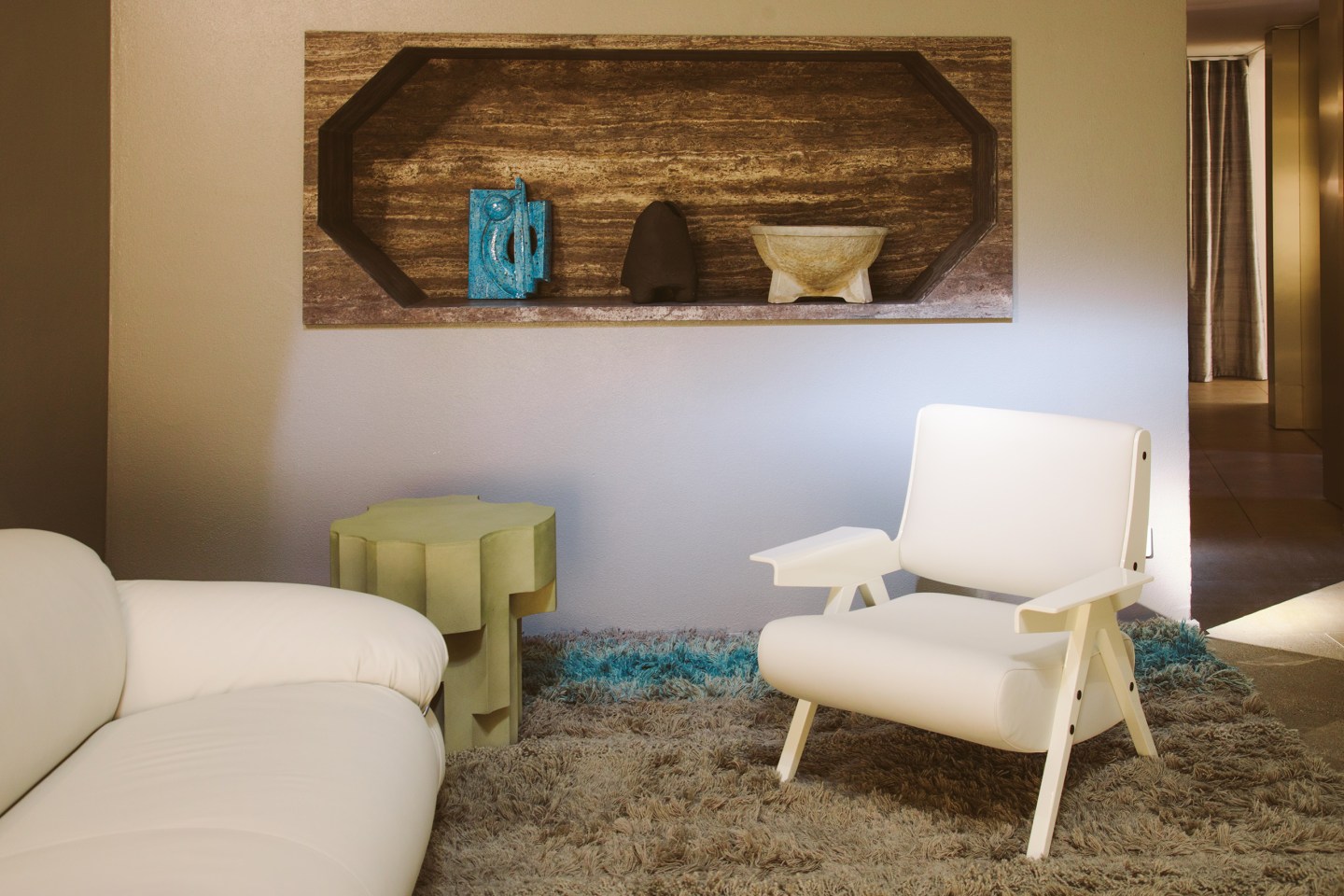
In 1980, contemporary-design gallery Dilmos opened in a historic Vico Magistretti building on Piazza San Marco. Bojardi cites this as a defining moment for the quarter; soon, design brands followed in its footsteps, most notably Boffi. With its world-class fine-art academy and Pinacoteca di Brera gallery, the district had a strong creative backbone. Today the area is peppered with design studios and showrooms.
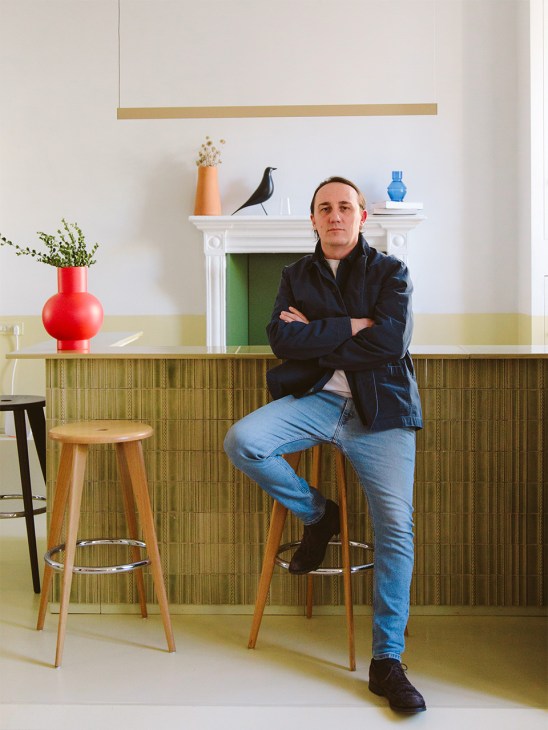
In 1990, a year in which Salone skipped an edition, Fuorisalone officially kicked off after Bojardi organised an event with a network of showrooms. Showcases and more began to pop up across the city later that decade. Paolo Casati and his team sensed the potential of marketing events around the city more widely. A design graduate from Politecnico di Milano, Casati realised that Fuorisalone could be further leveraged as a brand. In 2000 he bought the Fuorisalone domain name and, three years later, started an online guide and events listing in which companies could increase their visibility. It also told people where to eat in town and the team printed Fuorisalone badges.
An astute entrepreneur, Casati realised that different design centres could exist in Milan. He set up a consultancy called Studiolabo with Cristian Confalonieri and worked on the Tortona, Porta Romana, Bovisa and Mecenate design districts. The formula was similar to that of Fuorisalone: a new visual identity and both online and offline guides. The idea was successful in some places and less so in others (Bovisa hasn’t been able to establish itself as a major Milan Design Week destination). The concept was appealing to property developers, who knew that a more alluring neighbourhood meant a healthier market. “It was a way to attract attention and make prices go up,” says Casati.
In 2010, a business leader in Brera approached him about creating a design district. Casati quickly saw that the neighbourhood had what it took to succeed – so much so that it became his main focus, along with the Fuorisalone site. “We looked at the district lines and there were 70 showrooms in Brera,” he tells Monocle. “We didn’t need to look for clients as they were already there.” Casati helped to promote 47 events for Fuorisalone in the first year. Brera wasn’t reliant on property speculation (being an old neighbourhood where there’s little space to build) and was “a brand that was already known”, he adds.
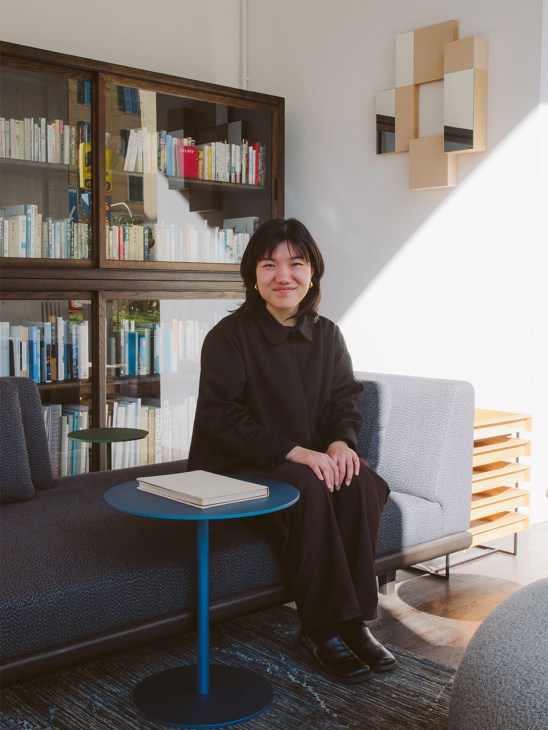
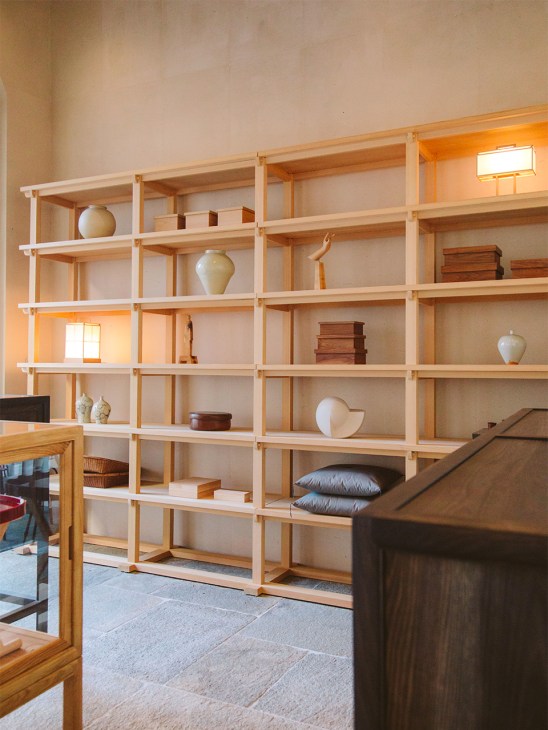
Over the 16 years that Casati has been involved with Brera Design District, the area has continued to grow. It now boasts about 230 showrooms and holds about 300 events during Milan Design Week. The design-focused apartment where he meets Monocle, which is used to host events, opened in 2017. Recent newcomers to the district include prominent Japanese interiors and manufacturing company Time & Style, which now has three beautiful spaces in the same building. “The architecture and atmosphere seemed perfect,” says Momo Ono, one of the brand’s interior planners. The site’s proximity to luxury Italian design group Boffi De Padova, with which Time & Style has been collaborating on a capsule collection, was also important. “It was a factor that confirmed the prestige of the area,” says Ono.
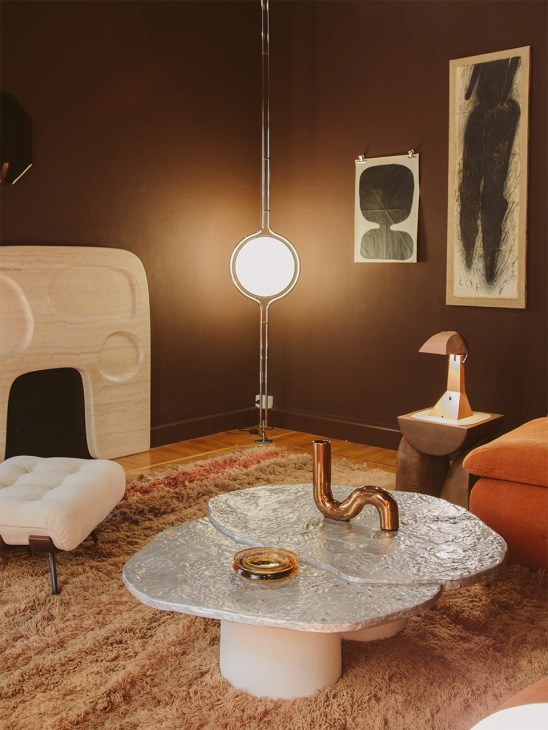
For Giusi Tacchini, the CEO and creative director of Tacchini, Brera was an obvious choice as a place to open a showroom. The Italian brand set up shop inside an early-20th-century apartment on Largo Treves last year. “It’s an area that’s steeped in art, history and craftsmanship,” she says. “Design in Brera is never just an exhibition. It’s part of a broader, living context.” The district isn’t simply a transactional place where brands tout their products. Its mix of shops, restaurants and galleries makes it all feel alive. “Why is Brera the world’s most important design district?” asks Casati. “Because of its density and quality.”
For more spots in Milan worth exploring, click here.