The Hospitality playbook: 15 expert tips to build a hotel or restaurant that lasts
Monocle spoke to top hospitality leaders, including Jeremy King, Andrew Zobler and Thierry Teyssier, about what it takes to navigate the sector successfully.
Hospitality can be a demanding game. Hotels get turned down at a rapid clip and restaurants often operate on a knife’s edge. But among the chaos there remains countless ventures that endure – and over Monocle’s nearly two decades of reporting we’ve seen new openings shape neighbourhoods, heard our share of remarkable revival stories and gleaned insights from leading figures who have managed to keep their venues relevant.
For our April issue we sat down with veteran hotelier Thierry Teyssier, who opened the 14-suite Dar Ahlam in Morocco almost 25 years ago. During our interview, Teyssier distilled his learnings into a manifesto for well-thought-out hospitality.
Following our conversation with Teyssier we dug into our archives to find further tips from the industry’s best minds. So for those wanting to set up shop, put their own venture on the right track or expand their footprint, take note.
1.
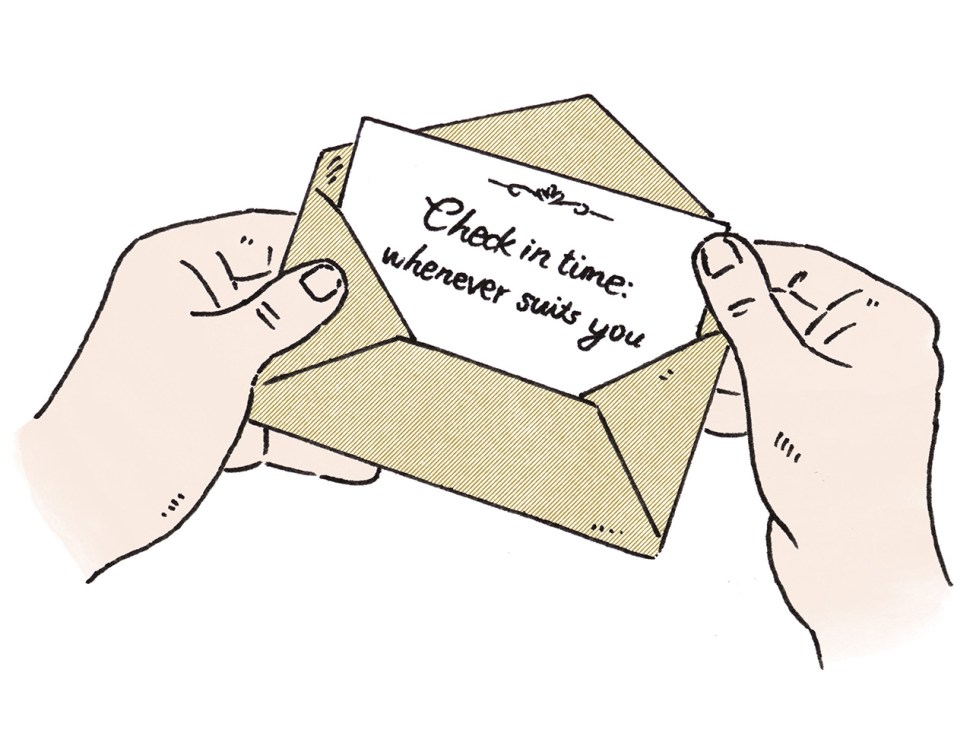
Make hospitality inviting, not strict
“Why should a room only be accessible from 16.00?” he says, arguing that hospitality has become too rigid a framework.
2.
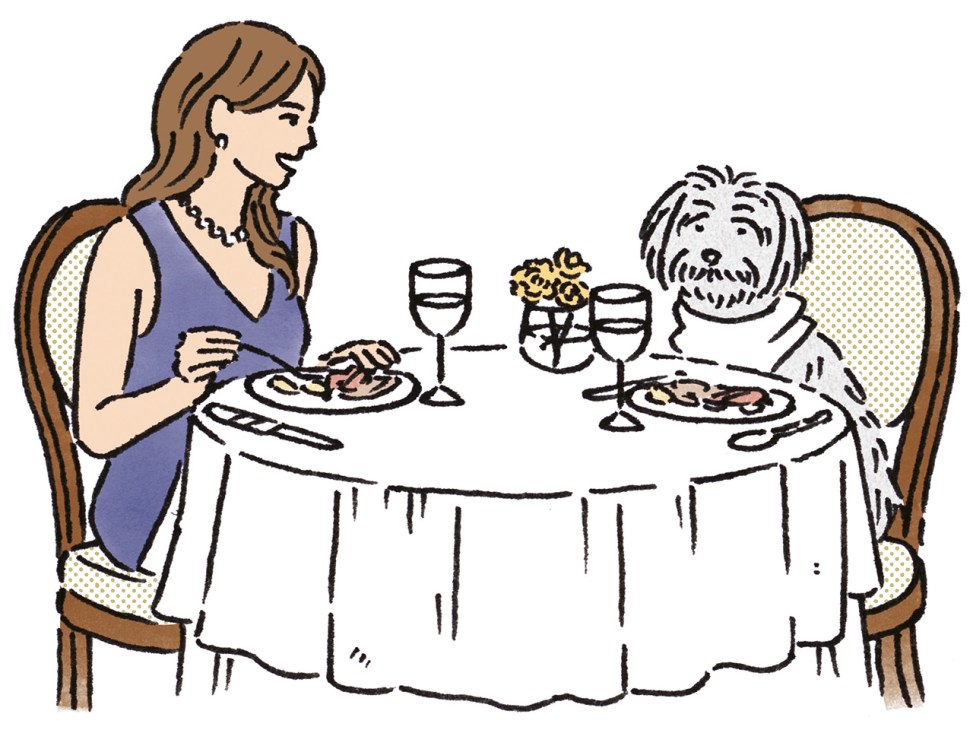
Hosting is an act of embrace
“Classic hospitality doesn’t allow for differences and prefers docile, predictable guests. But hospitality should embrace otherness,” he encourages.
3.
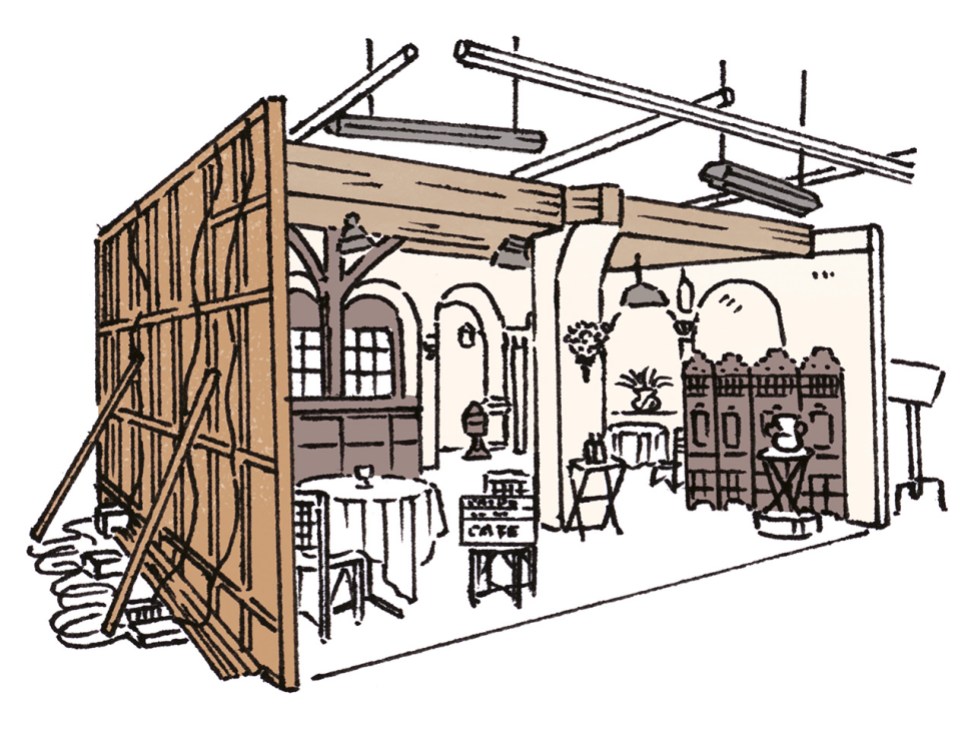
Restore the soul of places
“A room in Bangkok could be mistaken for one in New York. A Miami lobby could pass for a foyer in Casablanca,” he says. “Hospitality should feel like a dialogue: a silent conversation between place and guest.”
4.
A hotel should be a bridge to the world, not a bubble
“Welcoming is never about enclosing; it is about opening up. Hospitality shouldn’t be a shield or separate the traveller from the place; it should immerse them in it.”

5.
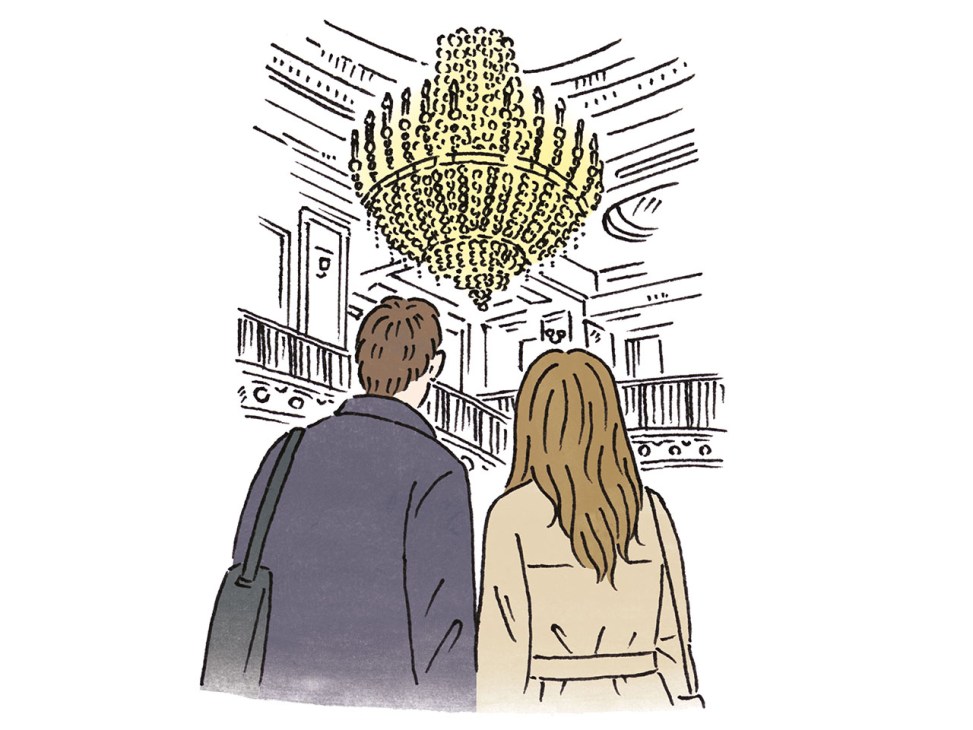
Don’t impress, amaze
“Amazement is a subtle art,” he says. “It has nothing to do with grandeur, ostentatious luxury or spectacular performances. It’s about touching, not dazzling.”
6.
Location, location, location
Gero Fasano, owner of the Fasano Group
“We identify places where we’re confident that there’ll be an audience [for us], such as London and Paris. It’s like filling the gaps in a game of Risk and occupying territories that we know will add more value to the company. For now, that’s it. We won’t open a hotel in Nevada any time soon.” [read more]
7.
Simplify design
Jeremy King, founder of Jeremy King Restaurants
“The most important thing is practicality, restaurant designers so often fail to understand that. There needs to be a simplicity of design. My oft-repeated phrase is ‘Great design should never shout for attention but should withstand scrutiny’. That’s the essence of it and that’s why Shayne [my longtime creative collaborator] and I work so well together. Sometimes I’ll say ‘TTH’ (‘trying too hard’). Restraint is so important and you garner much more authority through restraint.” [read more]
8.
Canvass local opinion
Prisca Llagostera, founder of L’Ovella Negra Mountain Lodge and Kokos Huis
“Spend time in each area. Go in quietly and observe, absorb and talk to people. You must listen to what the community wants. When you open your hotels you will have the community backing you, which is very important.” [read more]
9.
Avoid clichés
Toni Hinterstoisser, international president of Trunk hotels
“Our properties are created by Tokyoites who embody the spirit of contemporary Japan. Rather than rely on symbolic markers such as shoji doors and tatami floors, we carry a modern expression of the capital through the lens of hospitality, craftsmanship and design.” [read more]
10.
Invest in leaders
Edo López, founder of the Edo Kobayashi Group
“You can have a big army but you must have generals that you can trust.”
[read more]
11.
Scale up without losing brand appeal
Andrew Zobler, founder and CEO of the Sydell Group
“Our company is run in a familial way and a lot of our people have been involved from the beginning. What we do is borrow the best things from Hilton [which acquired the Sydell Group, whose portfolio includes the Nomad, The Line and Freehand hotels, in 2024] but keep the service, culture and design close [to what we had]. When we open Nomad Singapore, we’re going to send employees from London to transfer the culture. I’ll be here to immerse people in our history and [share] what we’re trying to achieve, and then [we want] them to be themselves. We don’t believe in scripting people.” [read more]
12.
Broaden your horizons
Christophe Laure, head of luxury and lifestyle at IHG
“IHG was one of the first groups to invest in China. Today we have 800 hotels there. There are properties from our global brands, such as Intercontinental, Kimpton and Crowne Plaza. But we also created a completely new brand, Hualuxe, which is a Chinese label dedicated to the Chinese market. This way everyone gets what they want. International travellers can rely on brands that they already know and love, and we show the domestic clientele that we are also attuned to their expectations.” [read more]
13.
Don’t dilute your identity
Pablo Carrington, founder and CEO of Marugal
“The big mistake is trying to be everything for everybody. That’s when you end up losing your concept. We have a very clear idea of what we are.” [read more]
14.
Renovate with a soft touch
Stephan Bösch, managing director of Brenners Park-Hotel & Spa
“The danger of renewing everything is that you erase the soul that makes a place special, something that takes generations to grow. In the fireplace room, every piece of furniture still sits where it always has.” [read more]
15.
Recognise loyalty
Luca Allegri, president and managing director of Le Bristol
“Some 30 to 35 per cent of our clients are returning guests and we want to show them that their future stays are as important as their past stays. For example, we have a family from New York that has been staying in the same suite for the past 25 years. To show them how much we appreciate their loyalty, we approached them during the renovation of the suite to share the plans with them. We then designed the layout of the room together and they changed the placement of the bed.” [read more]
Read next: How an American chef broke through the Parisian culinary scene to open Chez Carrie