The Monocle Design Awards 2022
From the smartest greenhouses to the prettiest glassware, the Monocle Design Awards celebrate the most pleasing projects that bring our homes and cities to life.
- Nic Monisse
- Stella Roos
- Matthew Beaman
- Claudia Jacob
- Yvonne Xu
- Ivan Carvalho
- Will Higginbotham
- Jack Simpson
- Mary Holland
- Carolina Abbott Galvão
- Alexandra Aldea
- Polina Morova
- Annabelle Chapman
- Callum McDermott
- Junichi Toyofuku
- Liam Aldous
- Lucrezia Motta
- Lauren Holmes
- Hester Underhill
- Natalie Theodosi
- Louis Harnett O’Meara
- Grace Charlton
- Fiona Ma
- Naomi Xu Elegant
- Nolan Giles
- Luigi Fiano
- Victor Garrido
- Felix Brüggemann
- Matthew Scott
- Jake Naughton
- Felix Odell
- Jan Sondergaard
- Matilde Viegas
- Kohei Take
- Salva López
- Benjamin McMahon
- Alana Paterson
- Nathalie Mohadjer
- Leonardo Magrelli
- Elisabetta Claudio
- Stephanie Füssenich
- Juho Kuva
- Leo Fabrizio
- Andrea Pugiotto
- Philippe Fragniere
- Fuminari Yoshitsugu
1.
Best bike
Hermansen Bike One

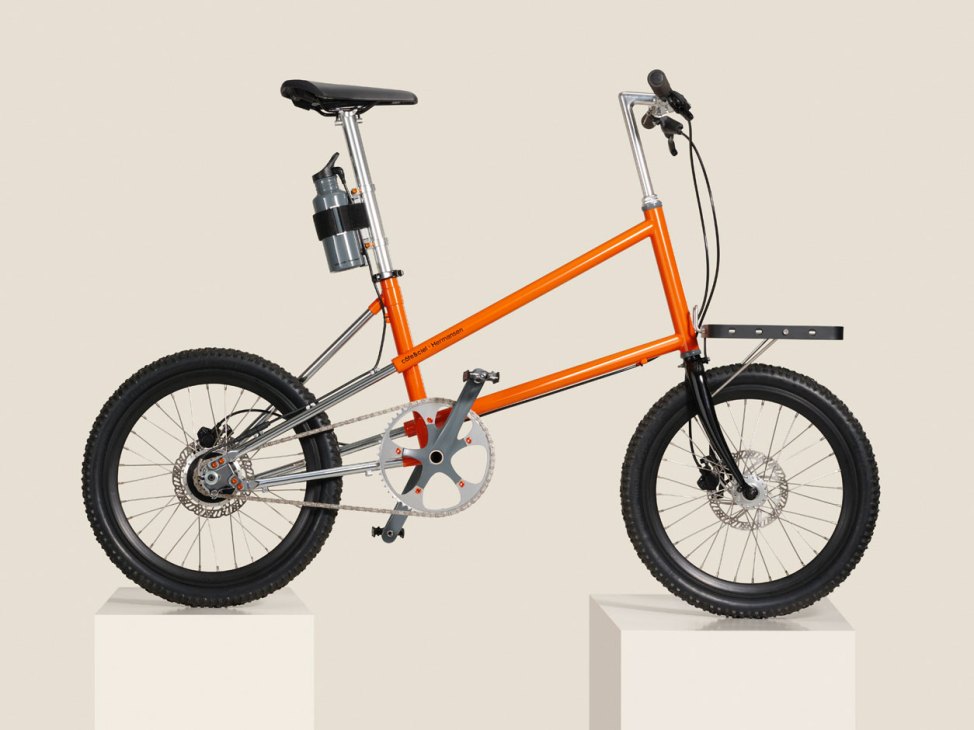
A former lead designer with famous Danish hi-fi brand Bang & Olufsen, Anders Hermansen strives to create products with great function and a beautiful aesthetic allure. That’s why his ultra-compact electric bike, sold under the brand name Hermansen, is one of the finest entries into the burgeoning e-bike market. “The point was to make it as light as possible, so you could use it as a normal bike,” says Hermansen, highlighting the small, sleek portable battery that clips to the seat post and elegantly resembles a water bottle. We’re particularly taken by the newly released orange version of the Hermansen Bike One, which shuns the notion that e-bikes are bulky and unwieldy. It was designed in collaboration with French backpack specialist Côte & Ciel, whose bags – like the battery – can be smartly clipped to the bike.
hermansencph.com
2.
Most playful design
Carolino trolley by Older
Letizia Caramia and Morten Thuesen, the designers behind Milan-based studio Older, have shown that furniture can cure the blues. When hunkered down in Tuscany in the winter of 2020, the Italian-Danish duo started drawing designs in primary colours and toying with plywood and iron scraps in Caramani’s father’s workshop. “It was a moment of loneliness and we felt we had to make something joyful,” she says.
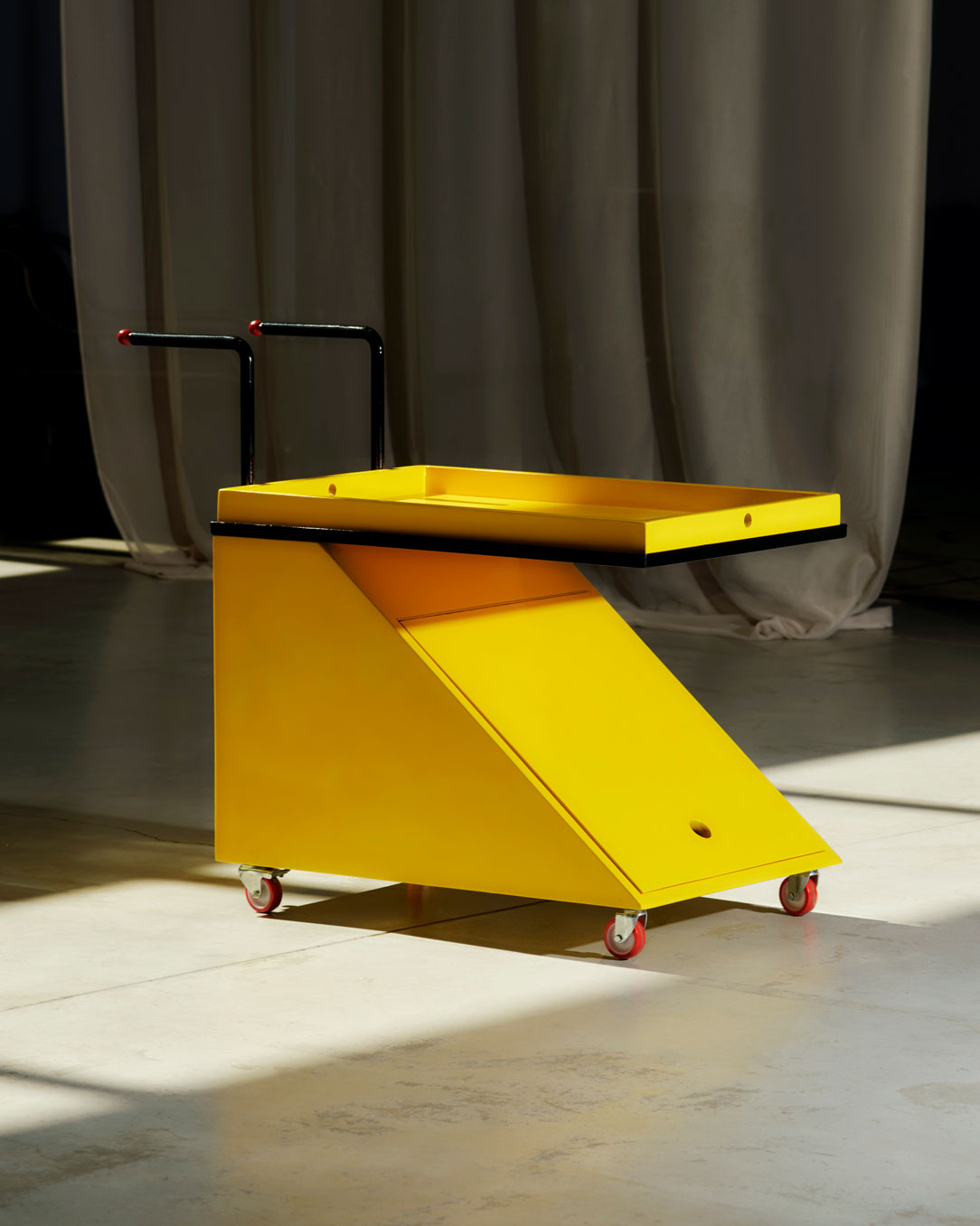
The outcome was the Carolino, an angular bar trolley that is now available in six cheerful shades from Nilufar Gallery in Milan. Thuesen and Caramani liken their design process to the children’s tale of Pinocchio, the puppet built by Tuscan woodcarver Gepetto that comes alive. “It was based on the idea of making something that felt like a small friend or like a mascot for the home,” says Thuesen.
olderstudio.com
3.
Best preservation effort
Paco Graco
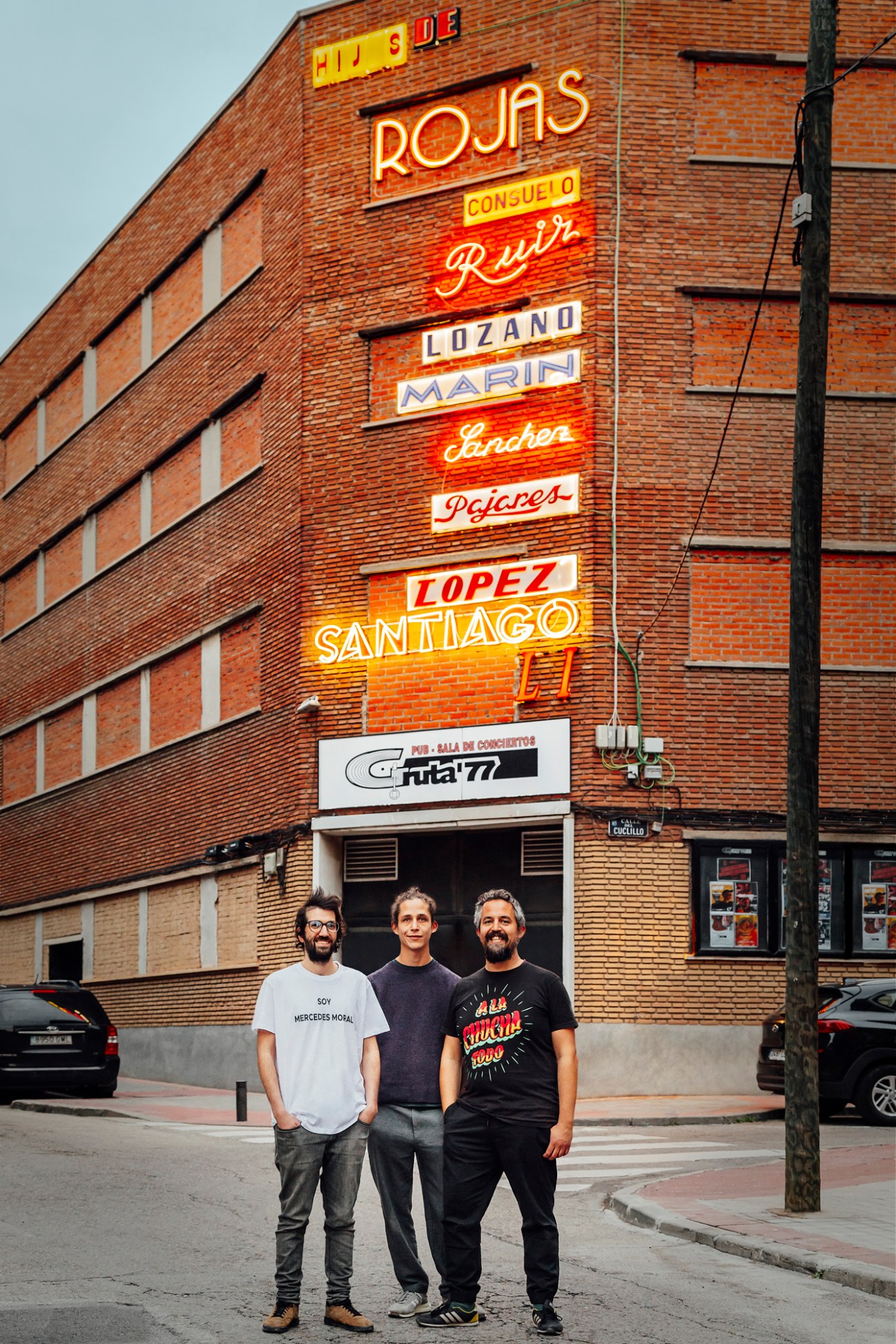
Signage speaks volumes about the history and character of a neighbourhood. But due to quickly homogenising high streets, cities are losing this vital part of their visual identity. That’s why we’re grateful for the work of Alberto Nanclares, co-founder of Paco Graco. It’s an initiative that strives to preserve Madrid’s historic shop frontages, run by Nanclares and fellow signage enthusiasts. If they hear of a historic sign that’s at risk of being destroyed, they’re straight on the scene to rescue it. Their collection now comprises some 250 pieces salvaged everywhere from cinemas and bakeries to dry-cleaners. It’s the kind of guerrilla urbanism we’re fond of.
pacograco.org
4.
Best young firm
Anime Design
Italian duo Beatrice Barbieri and Clara Rossi are proving the benefits of combining creativity with an entrepreneurial mindset. Last year, 29-year-old Rossi, who has a background in event planning, teamed up with Barbieri, a 29-year-old product designer, to launch Anime Design. The brand makes metal homewares such as trays, coasters and incense holders in an array of warm hues. The products’ refreshingly simple looks, which have quickly earned Anime a solid customer base, can be chalked up to the practical and commercial constraints of starting a company on their own.
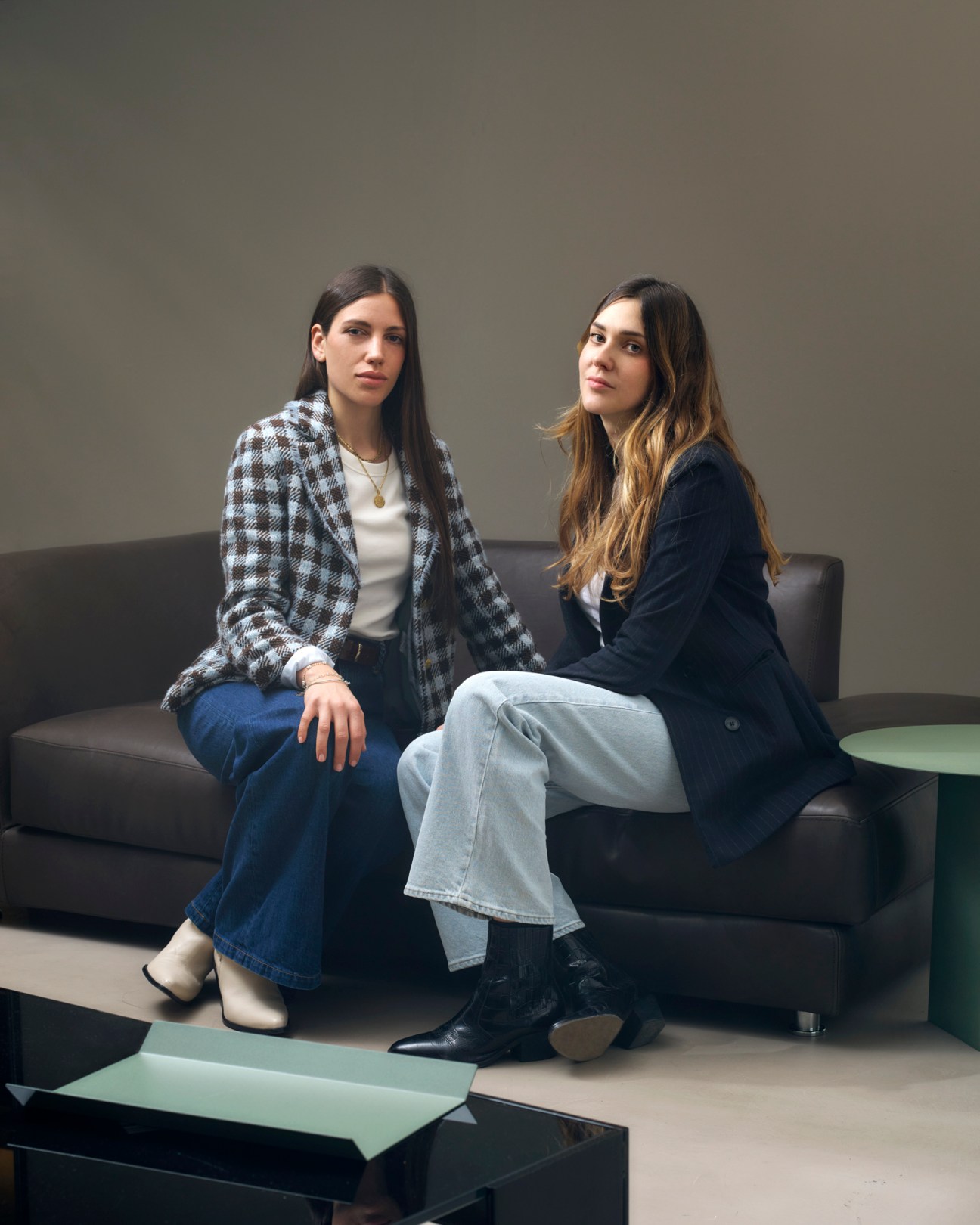
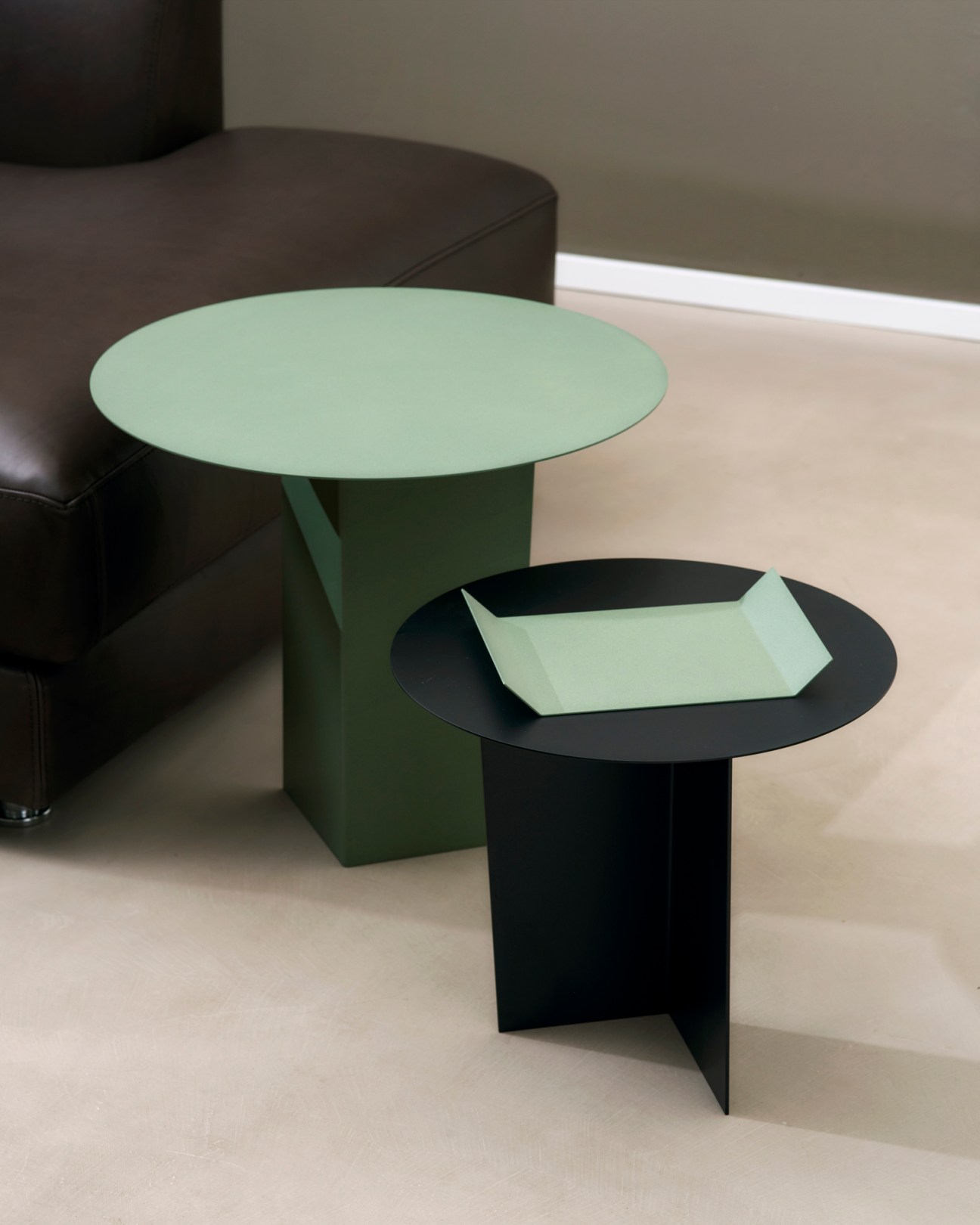
More than a year was spent developing prototypes – Barbieri compares the process to “folding origami” – with the aim of minimising waste. The pragmatic approach means that the pieces are top quality but can be sold at an accessible price. “You realise that in the end people want things that are nice to see and to use every day,” says Barbieri.
animedesign.it
5.
Design event of the year
Alcova
Showcasing the new at design fairs often means crowding visitors into poorly ventilated halls to gawk at furniture. Monocle tips its hat to the creative team behind Alcova, the experimental platform based in Milan which runs eye-opening exhibits during Salone del Mobile. Created by Space Caviar’s Joseph Grima, currently creative director at Design Academy Eindhoven, and Valentina Ciuffi of design agency Studio Vedèt, Alcova takes a nomadic approach by using forgotten venues in Milan to present a clever combination of design and art.
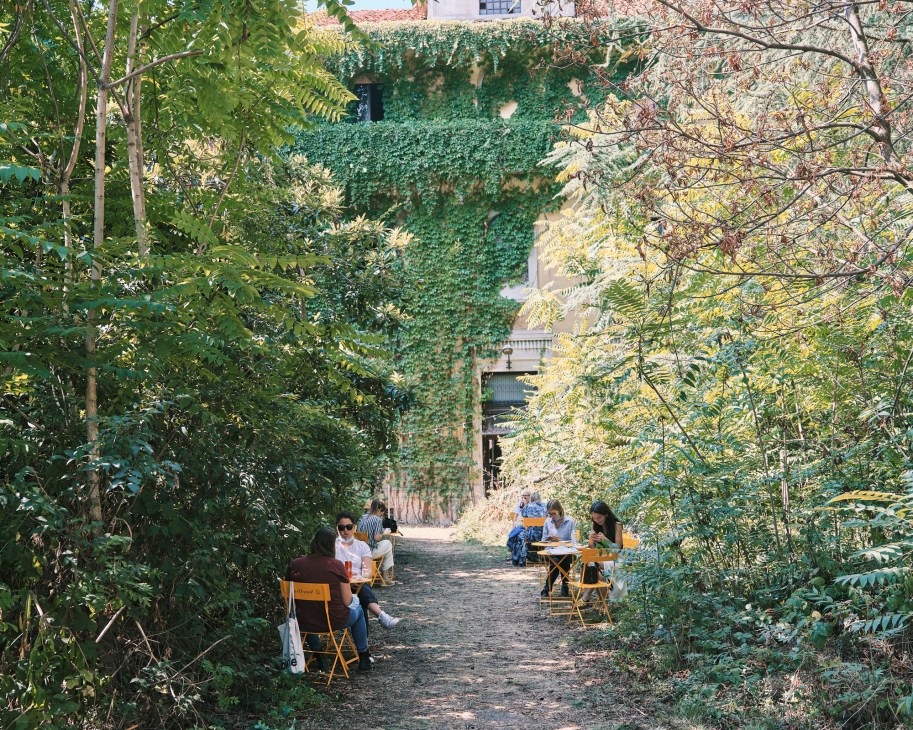
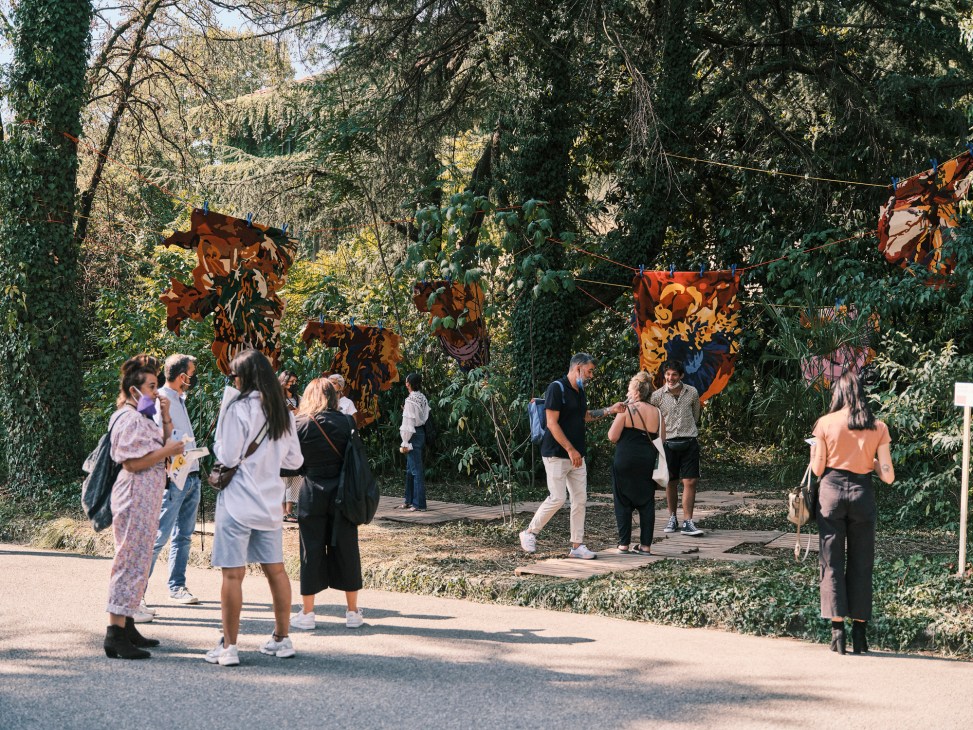
In terms of exhibitors, Grima and Ciuffi recruit an eclectic collection of up-and-coming designers and established players who are hosted in unusual spaces: a panettone factory or today’s current site at a partially disused military hospital on the outskirts of town. Pure creativity is set free to provoke and inspire, from a fictional milk bar inspired by A Clockwork Orange, to monumental stone furnishings from Rem Koolhaas’s Oma and designer Sabine Marcelis.
alcova.xyz
6.
Best in timber
Tendo
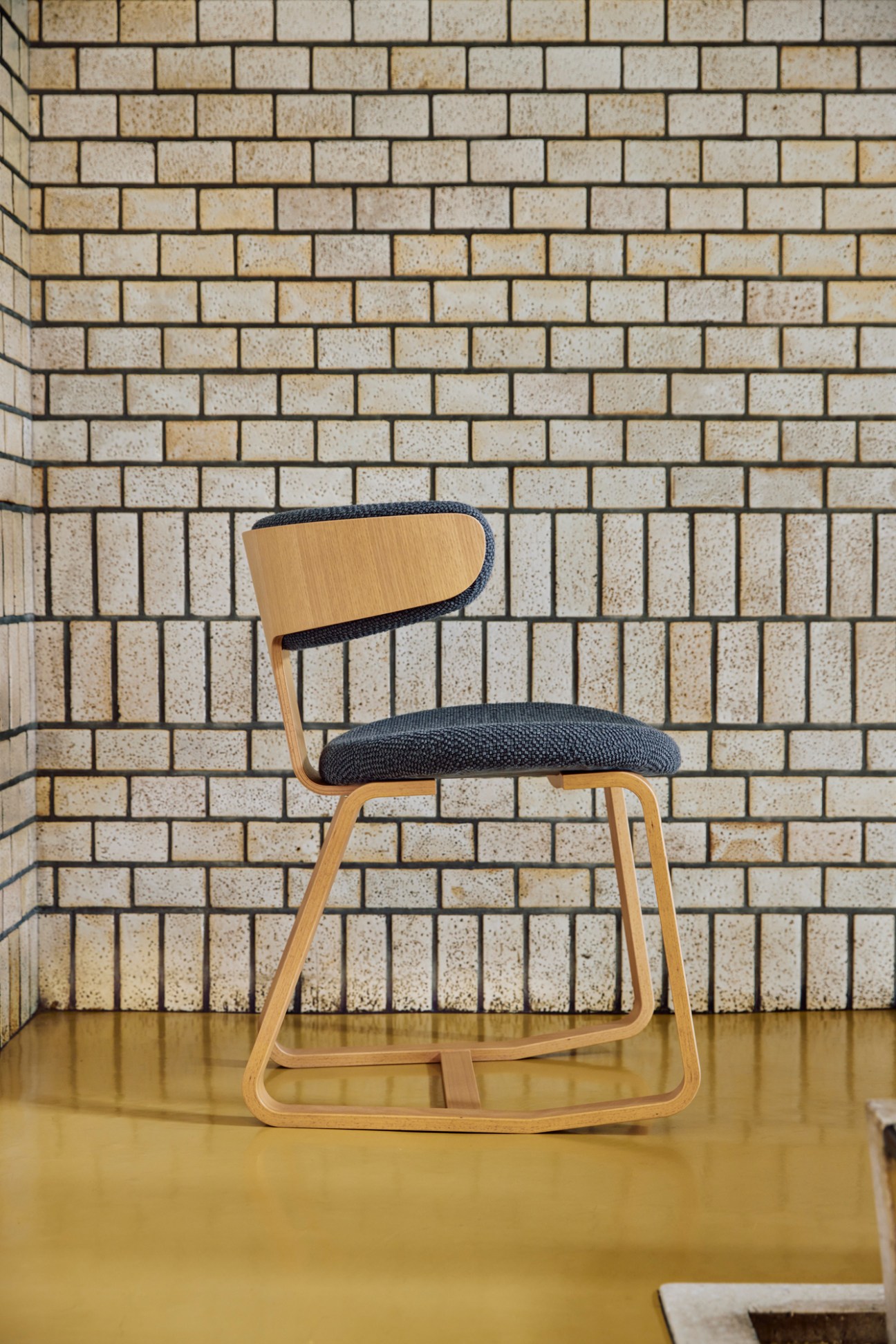
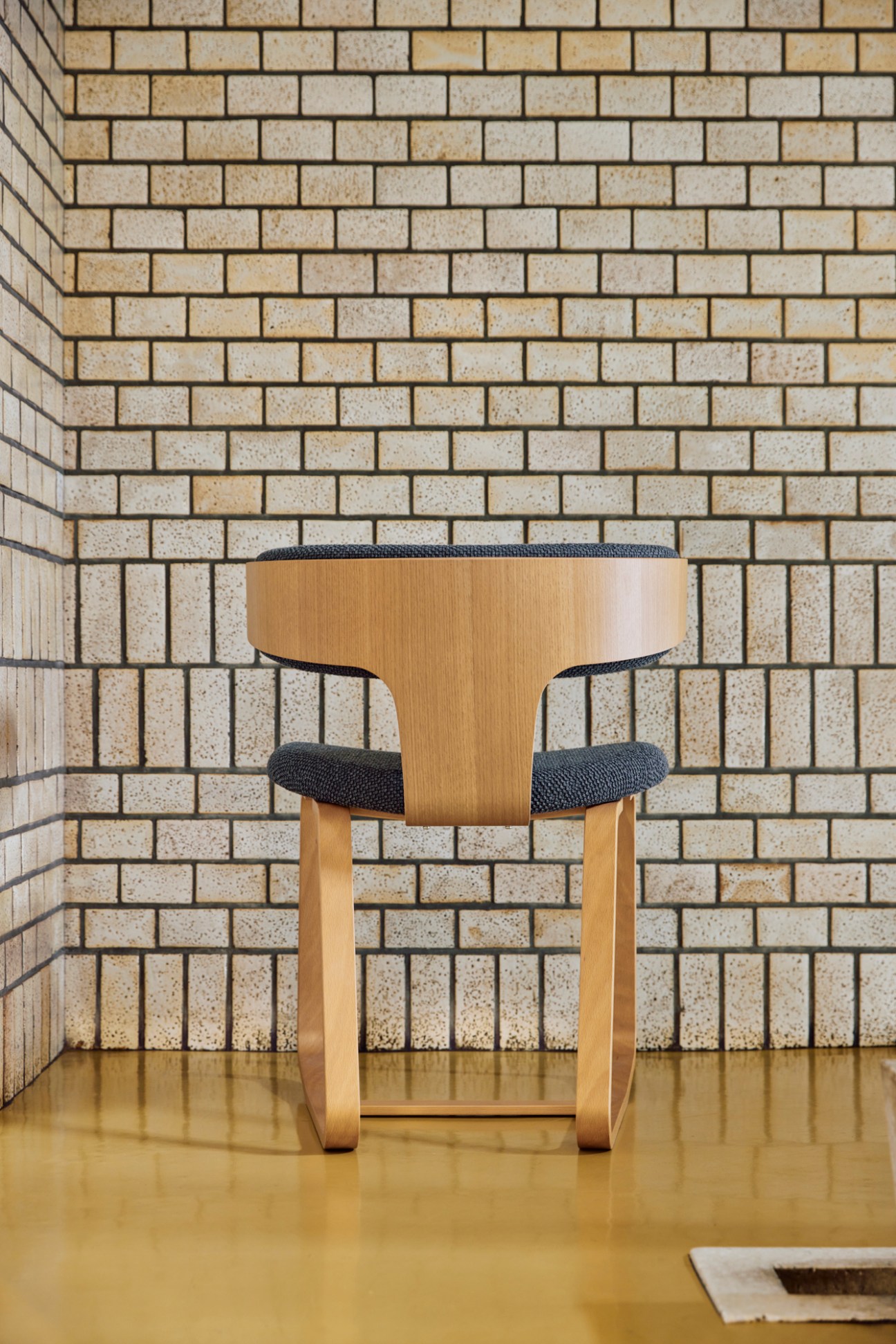
Japanese furniture company Tendo was founded in Yamagata in 1940 and has been pioneering moulded plywood since 1947. It has an enviable back catalogue with pieces by the biggest names in 20th-century Japanese design and has recently added to its collection by commissioning three new chairs. The Swing Chair by architect Hiroshi Nakamura is a cushioned desk chair with a curved back that showcases Tendo’s exceptional moulding techniques. This version has an oak back with white beech legs and a robust textile from Denmark’s Kvadrat.
tendo-mokko.co.jp
7.
Best in glass
Sugahara Glassworks
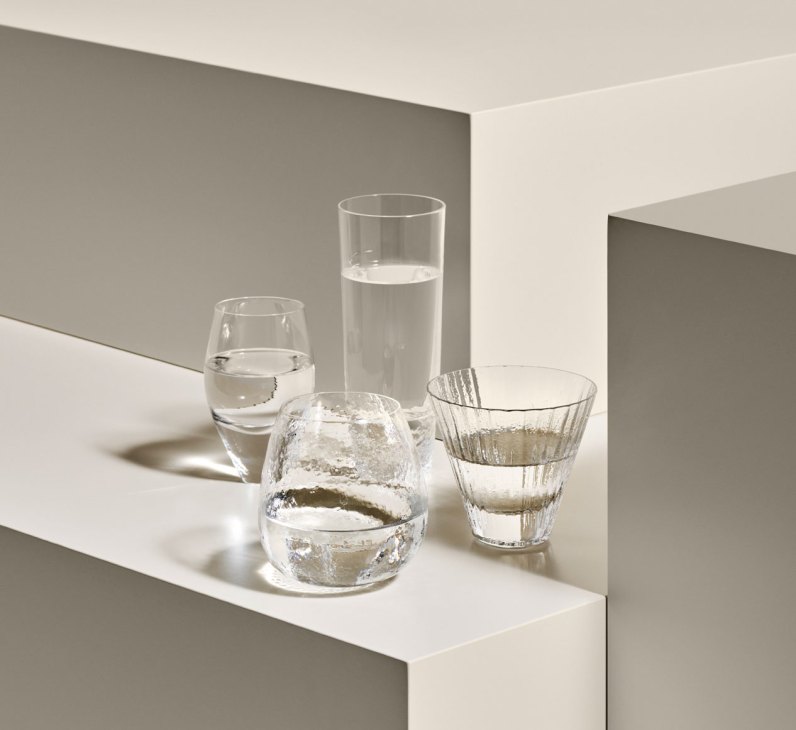
Outstanding glassware doesn’t just come from Europe. We suggest that you pay a visit to Sugahara Glassworks in Chiba, Japan. Founded in 1932 by current company president Yusuke Sugahara’s grandfather, it has, over the course of three generations, emerged as one of the world’s leading glassmakers. And it’s not just the quality of its products that we love but the way it goes about its work, with a hands-on, creative approach. “The unique culture of our factory is that the craftspeople design what they make,” says Sugahara. “In that moment when the glass is hot and changing its form, there are things only the producers can notice and think of.”
sugahara.com
8.
Best public space
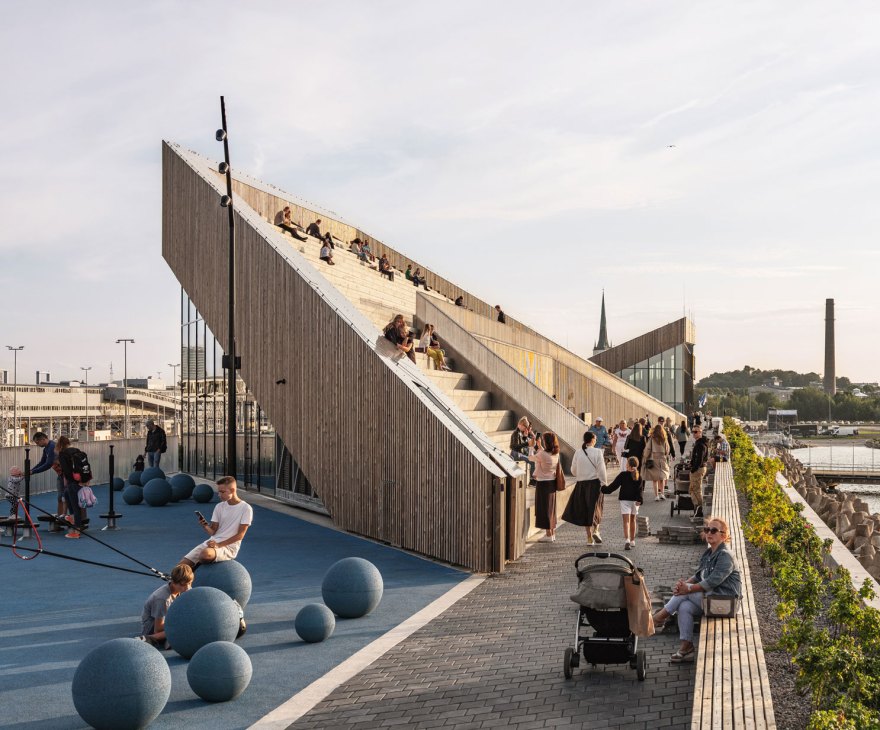
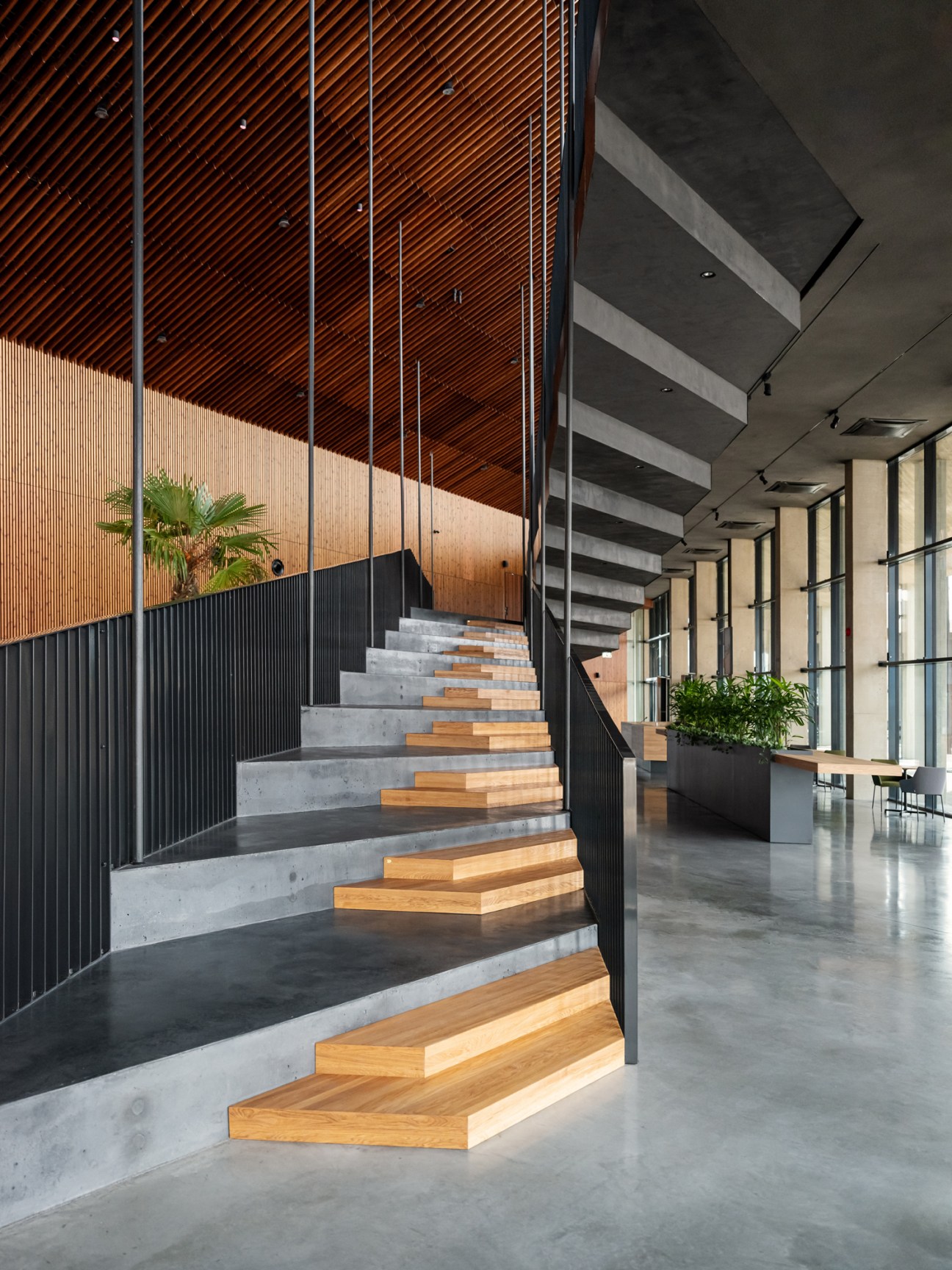
Tallinn Cruise Terminal by Stuudio Tallinn and Salto Architects
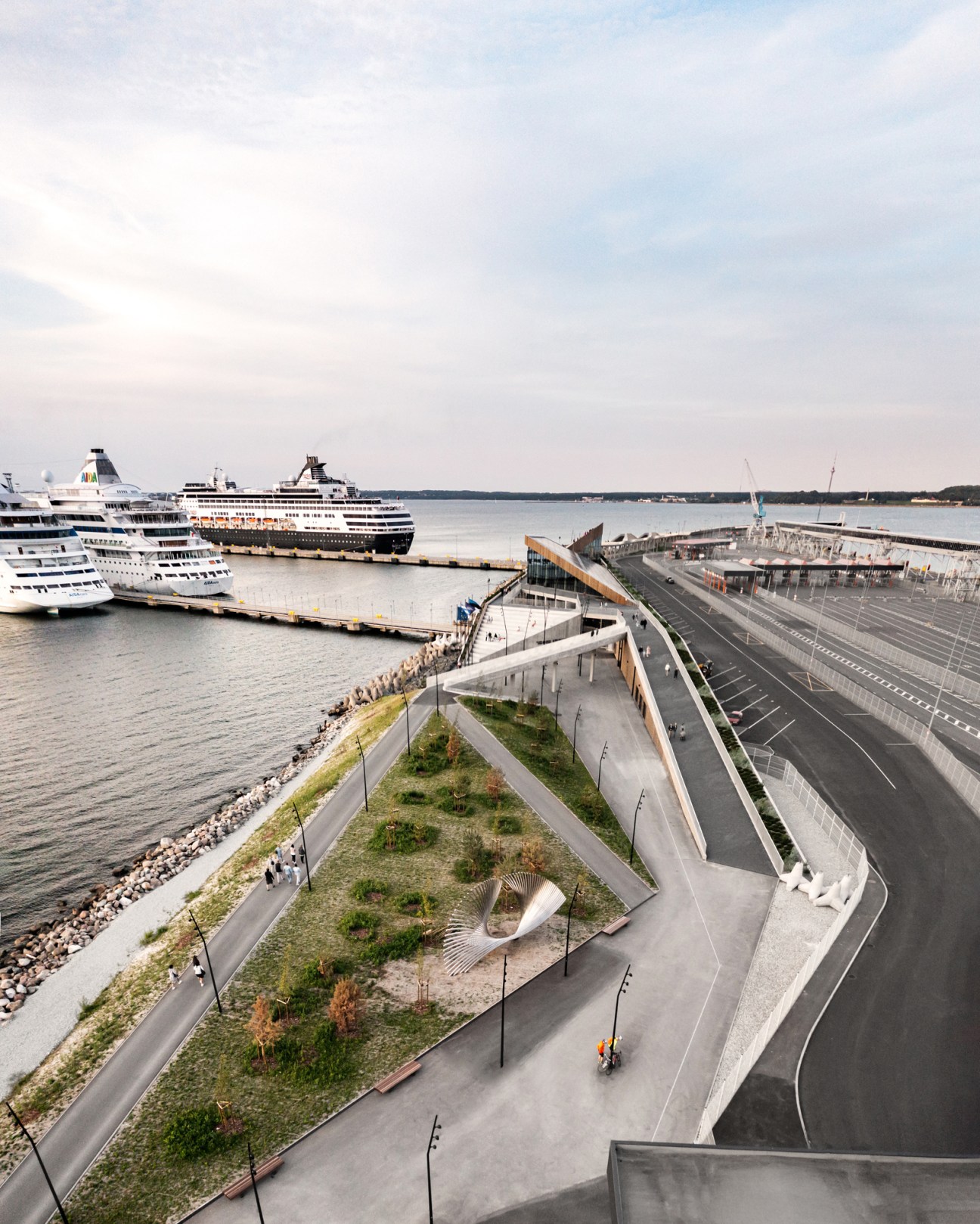
Cruise-ship terminals are rarely places to linger, yet this effort from Stuudio Tallinn and Salto Architects has transformed Tallinn’s port into a charming public area. The architects created a new terminal building that has a public plaza on its roof, complete with a playground, restaurant, café and promenade. In the process they have turned the port area into a magnet not just for visitors but for locals too. “Every time I walk past, even if it’s very cold, there are people strolling around or doing sports,” says Villem Tomiste, founder of Stuudio Tallinn. “It has become a living room for the city.”
stuudiotallinn.ee; salto.ee
9.
Smartest garden
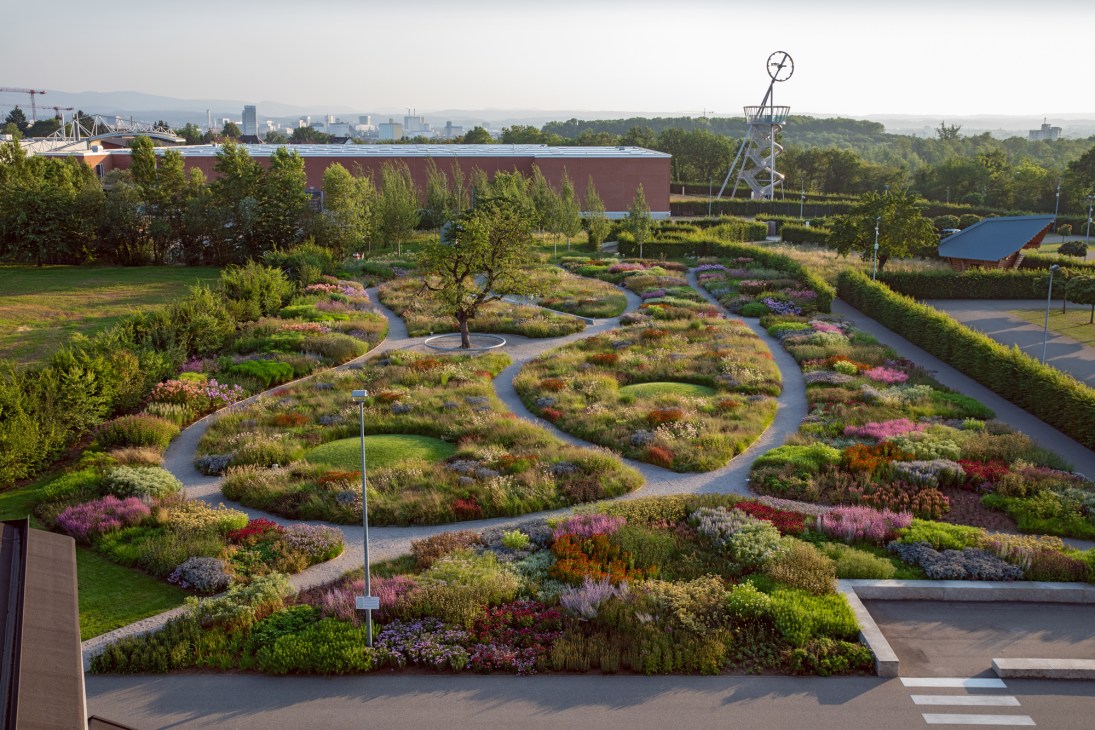
Vitra Garden
A good garden should flourish in all seasons and strike a balance between feeling cultivated and wild. These are the traits found in Piet Oudolf’s garden made for Vitra, at its Weil am Rhein campus, and why we think it’s a winning work of landscape design. “I want people to lose themselves in the garden instead of just passing through it,” says Oudolf. “That’s why I developed a system of small paths, without straight lines or a focal point at the end.” The effect is a place where people naturally stop and smell the flowers – the true mark of any garden’s success.
vitra.com
10.
Best reissue
657 Serving Cart by Cassina
The story goes that Danish architect and designer Bodil Kjaer used to throw lively dinner parties but found them challenging because her dining room wasn’t close to the kitchen. Ever the problem solver, this inspired her to design the Serving Cart in 1963 and with Cassina’s restoration of the solid wood multi-shelf trolley’s production, it’s enjoying a comeback.
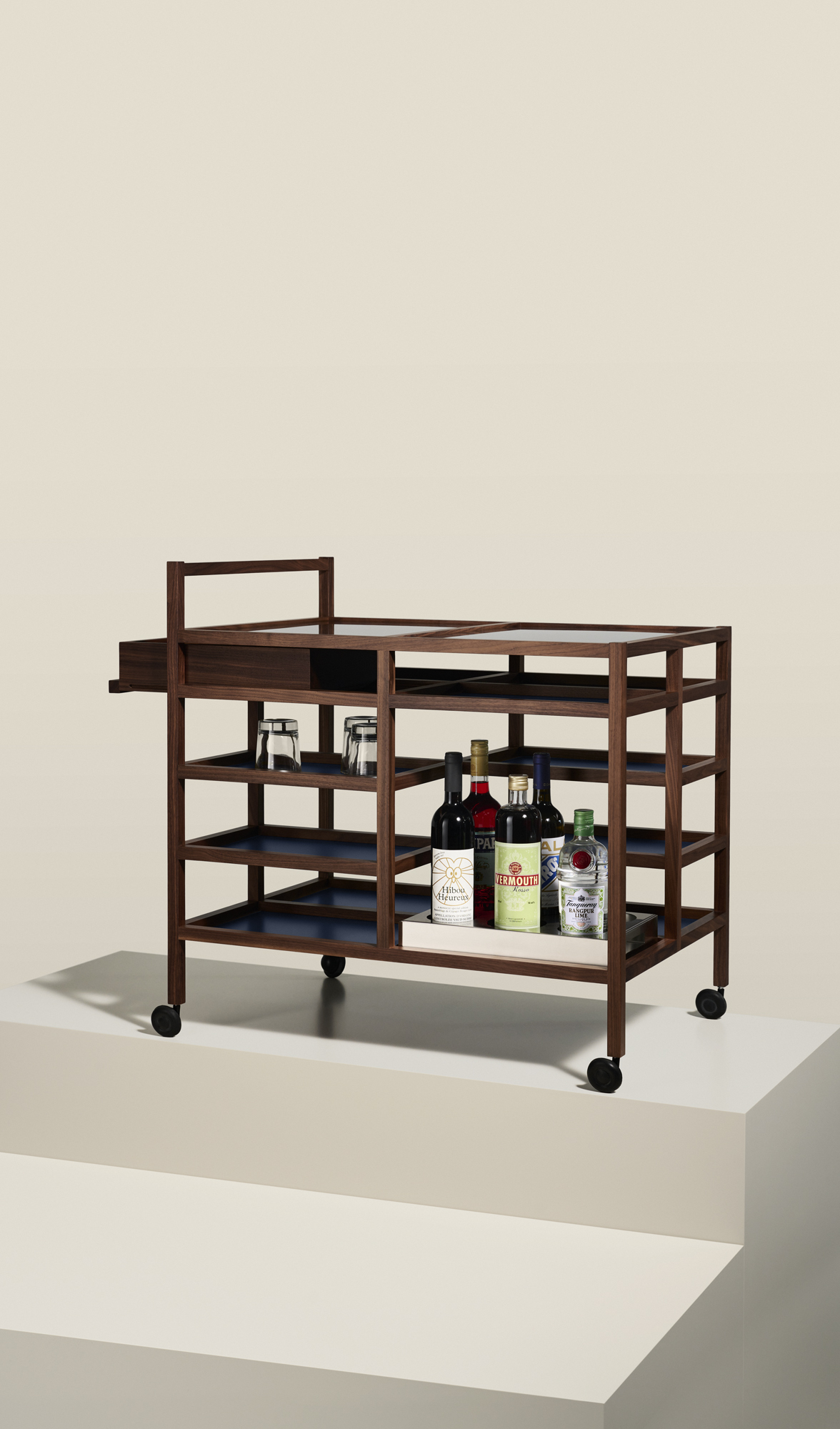
A good bar cart never goes out of style, which is why we’re honouring this re-edition that introduces optional new compartments, containers and a bottle holder, and features a tough brushed stainless-steel top.
cassina.com
11.
Best in print
Studio Mathias Clottu
While you can’t always judge a book by its cover, you are much more likely to pick it up if it has been beautifully designed. That’s where Mathias Clottu comes in. London-based Clottu possesses the rare skill of elevating editorial design to high art. While he also excels at creating slick websites and visual identities for curators, editors and organisations, it’s his editorial work that has really caught our eye.
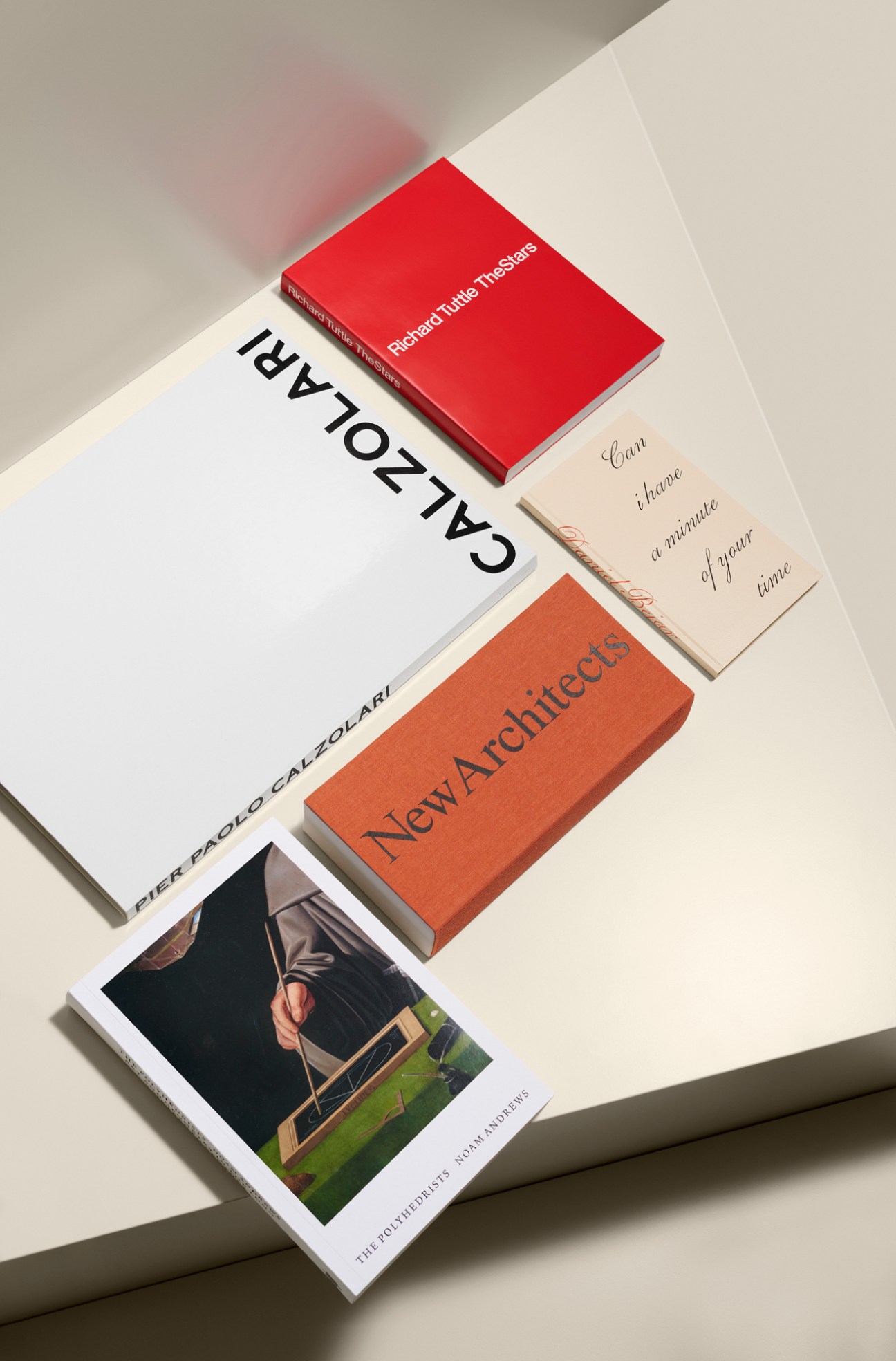
Born in Sainte-Croix, Clottu studied at Lausanne’s illustrious Ecal university before working for UK designer John Morgan. In 2016 he launched Studio Mathias Clottu and has since worked on projects such as literary magazine The Fence and architecture textbooks for MIT Press. “The strength of being a small independent studio is that we’re flexible and can work really closely with clients,” says Clottu. “It’s important because with editorial work the design can have a real impact on the content.”
mathiasclottu.com
12.
Best runaround
Meyers Manx
The Meyers Marx looks like it could run on Californian sunshine. “It makes you smile and you don’t know why,” says CEO Freeman Thomas, who has helped to design some of the most characterful cars of the last 30 years, not least the Audi TT. He and a team of young designers are bringing the old Meyers Manx up to speed in a workshop in Newport Beach, close to where the first dune buggy was built.
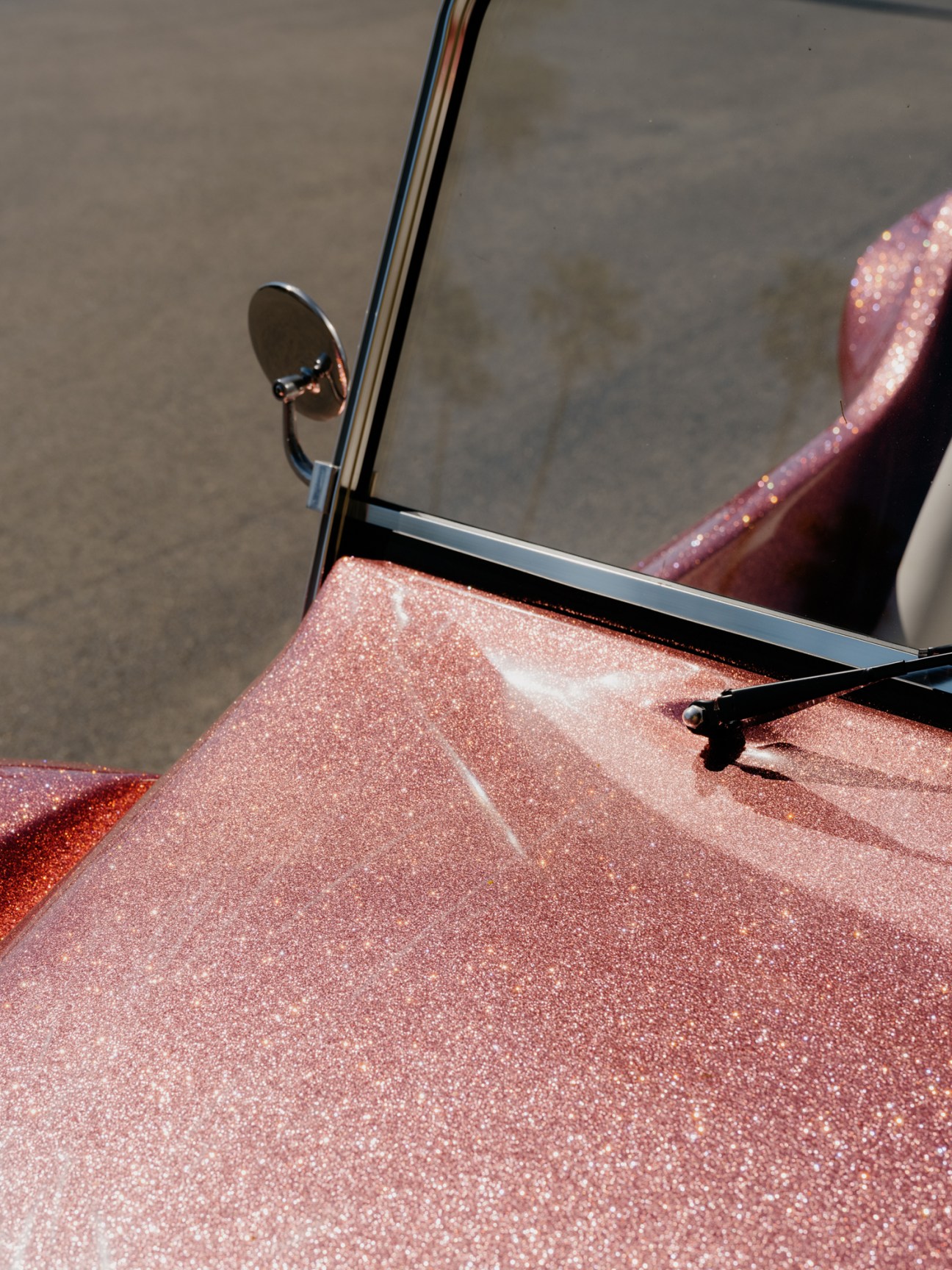


To make the original in 1964, designer Bruce Meyers shortened a Volkswagen Beetle chassis and attached a fibreglass body, which he’d learnt how to make from shaping surfboards and boat moulds. He sold them as handy kits for people to build at home. Thomas’s team has taken 3D scans of the original body moulds, updated the suspension and engine, and smoothed out the design kinks that came with its DIY aesthetic.
Beyond those still produced and sold from Newport Beach, an electric-powered Manx is in the pipeline. Sign us up.
meyersmanx.com
13.
Smartest student project
Solar Greenhouse
Projects found scattered about the campuses of design schools are often idealistic, seeking to respond to some of the world’s most pressing issues. The Institute for Advanced Architecture of Catalonia is no exception. At its Valldaura Labs, a workspace housed in a 19th-century building, it runs a master’s programme for 18 students – and it’s their most recent project that we want to celebrate. Called Solar Greenhouse, it’s a two-level wooden pavilion equipped with a solar-panelled roof for collecting energy and an intricate hydroponic system designed for growing produce as efficiently as possible. It cannily tackles a range of urban challenges – something that many professional designers struggle to do to similar effect.
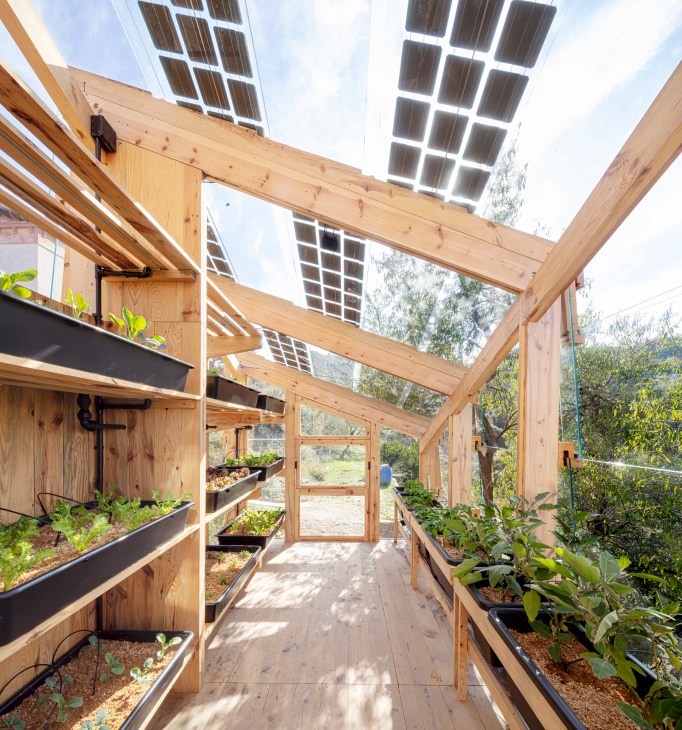
“It’s a self-sufficient building that makes small-scale urban farming easy,” says Valldaura Labs director Vicente Guallart. “We want to replicate this prototype on city rooftops around the world.” With food supply chains in urban environments almost always under pressure, here’s hoping they do.
iaac.net
14.
Best education building
Startup Lions Campus by Kéré Architecture
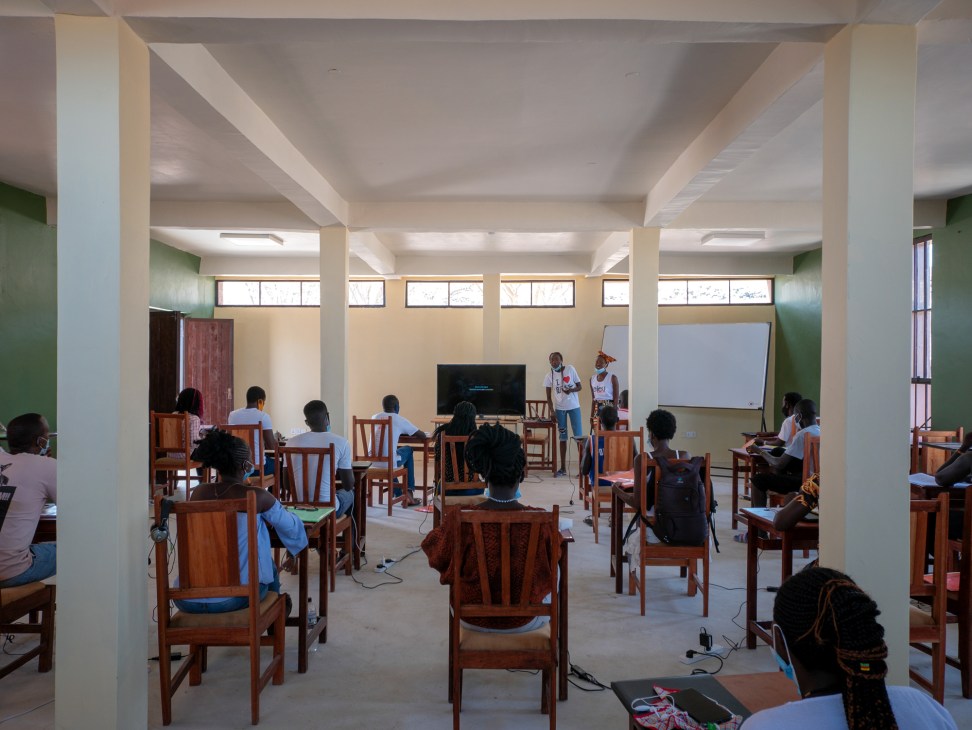
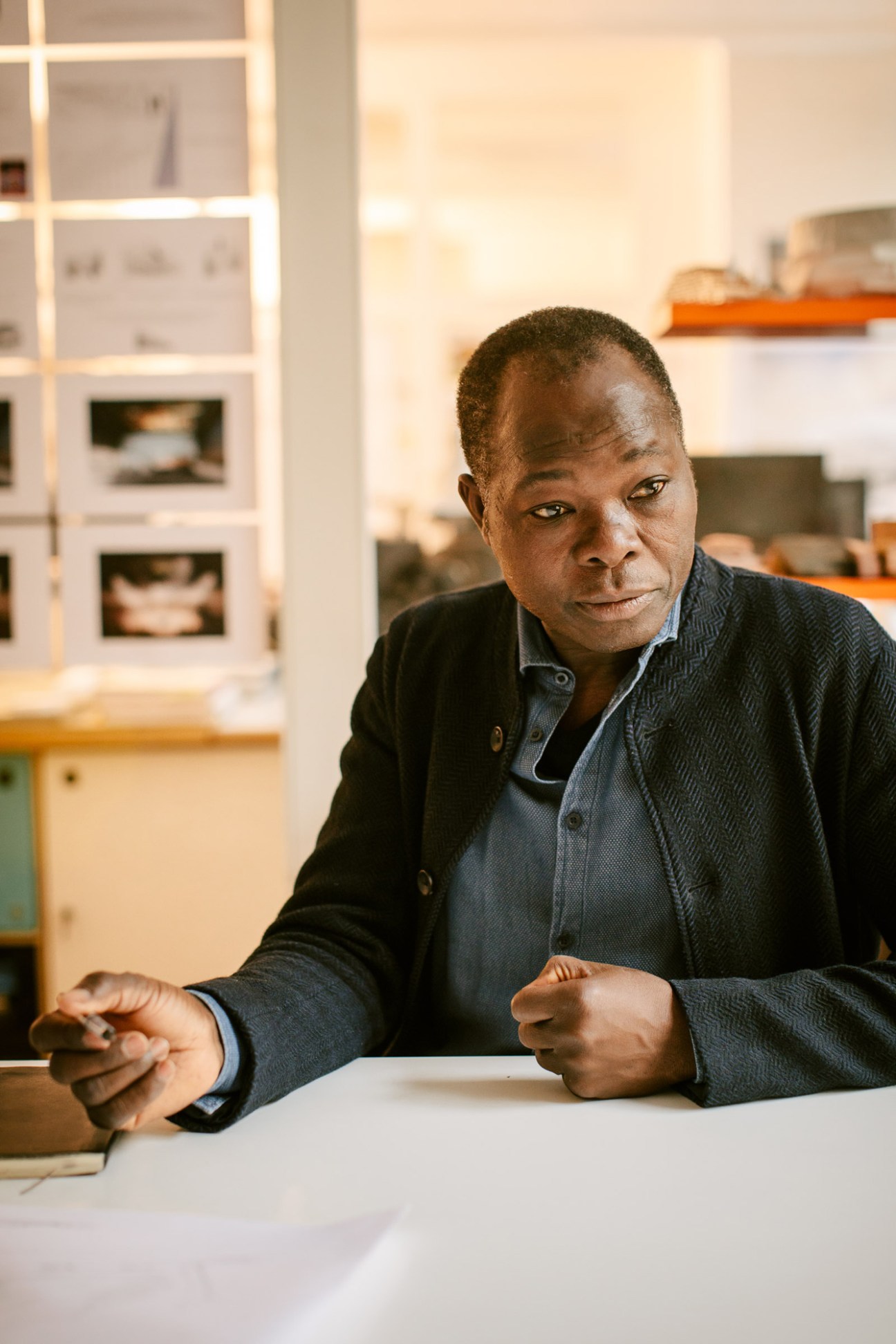
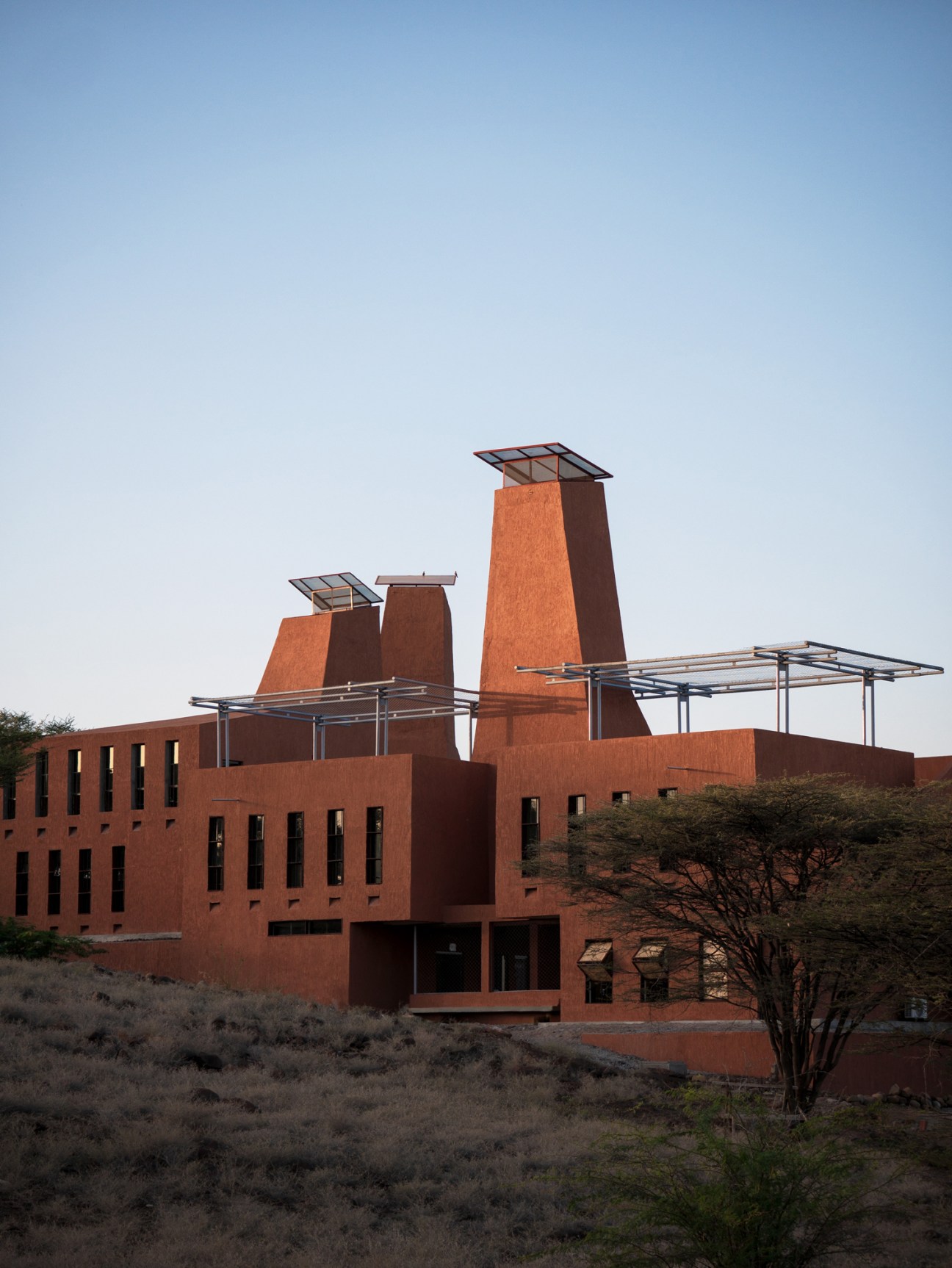
This campus for entrepreneurs was designed by Burkinabé-German firm Kéré Architecture, led by this year’s Pritzker prize winner Francis Kéré and aimed to blend with the natural landscape. The three terracotta-coloured ventilation towers cool the campus by drawing hot air out of the site’s lower levels, a technique borrowed from termites that burrow vents into their mound-shaped nests.
kerearchitecture.com
15.
Best curator
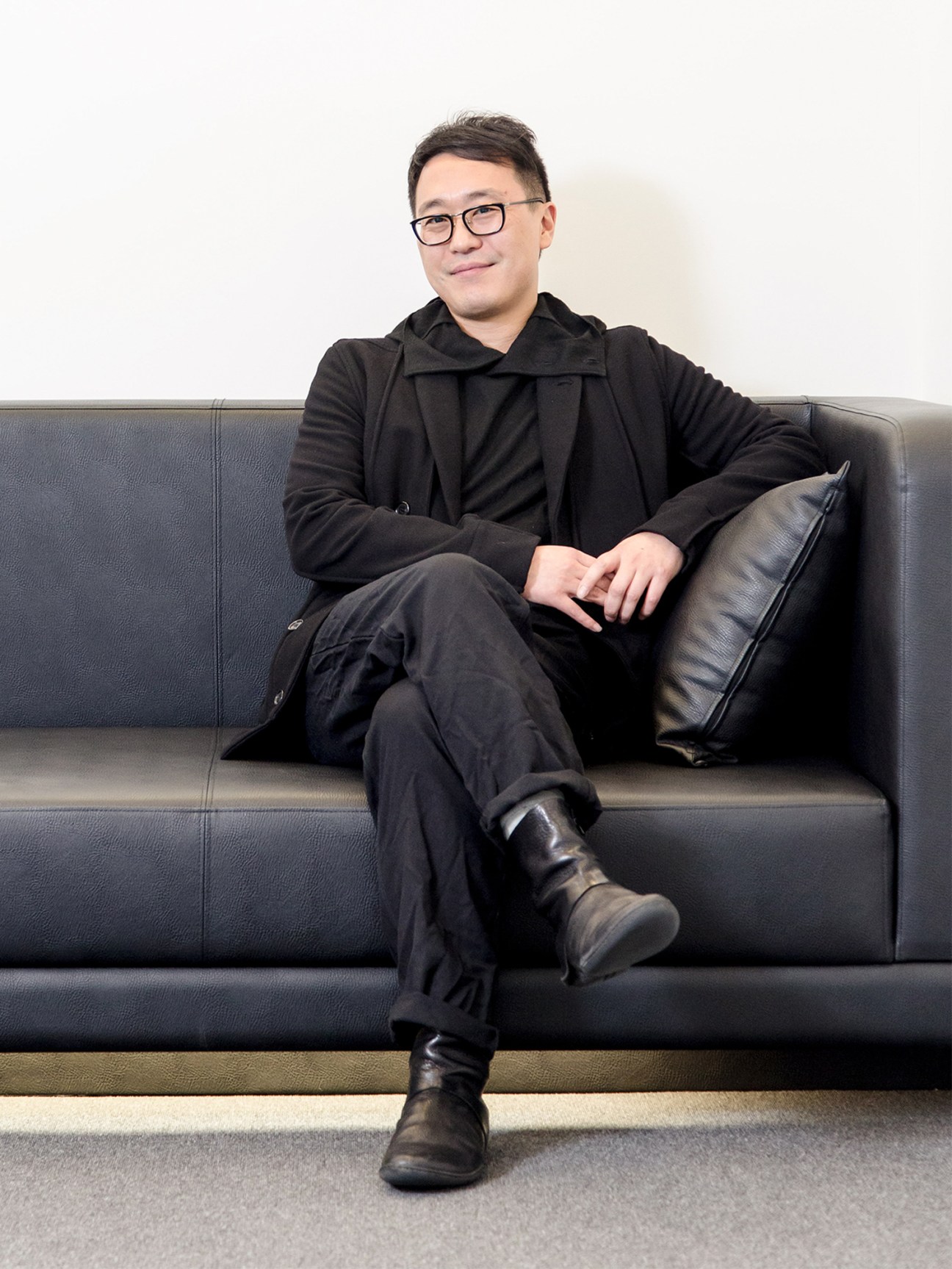
Doryun Chong
Asia’s art landscape changed with the recent opening of M+, Hong Kong’s museum of visual culture. But we’re most excited about the fact that its permanent collection embraces architecture and design too. It’s for this reason that we’re celebrating chief curator Doryun Chong. By including chairs by the likes of Kenzo Tange and models of buildings by Woha Architects, Chong has brought designers into the world of museumgoers.
mplus.org.hk
16.
Most in-demand design
Hyundai Casper
While Hyundai’s cute, ultra-compact SUV Casper is only available for the South Korean market for the moment, we’re hoping that this award might push the company to consider exporting the concept beyond home shores.
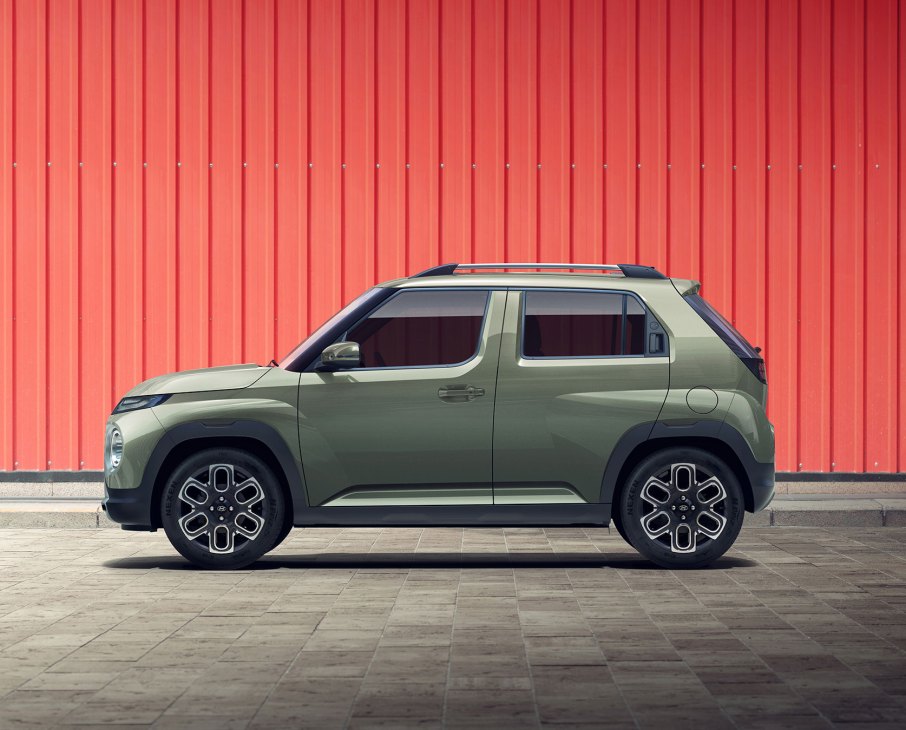
We love it because the design is pure function. From the roof rack that comes as standard to the surprising amount of storage space engineered into a car of this size, this an urban runaround that’s not too tiny to be taken on the open road for longer journeys. With an accessible price point, an economic engine and a sleek exterior finish, this design does it all.
hyundai.com
17.
Finest craftsmanship
Les Éditions de Tapis
For a living room to look, well, lived in it needs a rug. They bring warmth to the whitest of walls and texture to concrete floors. So we’re rewarding the work of Dijon-based designer Thomas Coccimiglio who, under the brand name Les Éditions de Tapis, creates rugs featuring sunny natural colours and minimalist patterns.
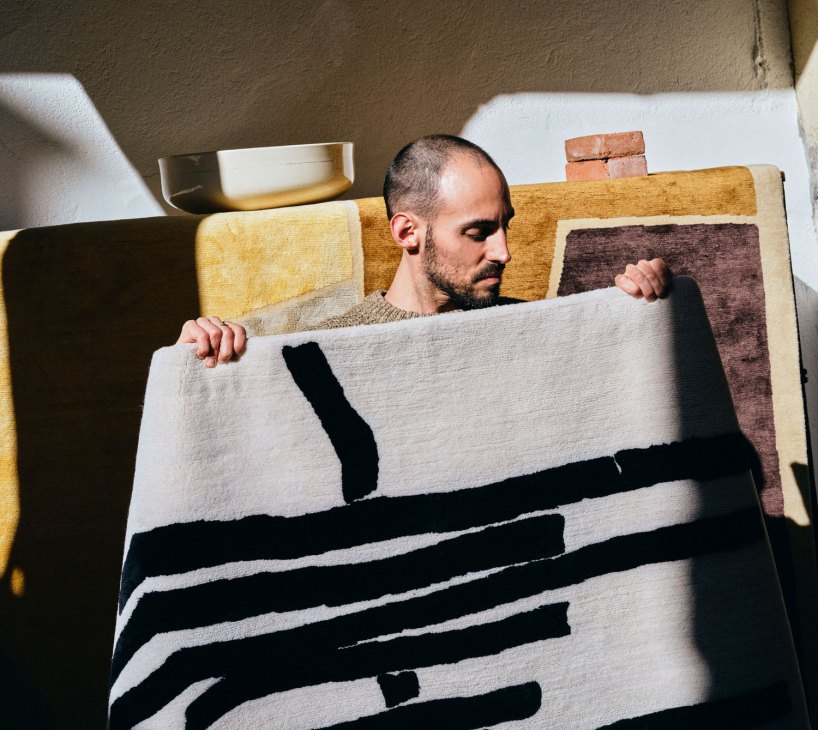
All of Coccimiglio’s pieces are hand-tufted by Nepalese and Indian artisans using traditional techniques, vegetable dyes and natural fibres, including silk, mohair and Himalayan highland wool. “A tapis is something that’s always there,” he says. “It needs to leave space not only for the room to breathe but for the mind to wander, too. One day you might see a flower; another day an animal or a kissing couple.”
leseditionsdetapis.com
18.
Best business model
Nadén Arkitektur
Sweden is known the world over for its woodcraft. But sometimes, in the rush to build bigger wooden projects, the attention to detail of fine carpentry can be left behind. Nadén Arkitektur doesn’t have this problem. The firm, founded by architect Per Nadén, draws on the master woodworking skills of his carpenter brother Pontus to consider every detail of a building.
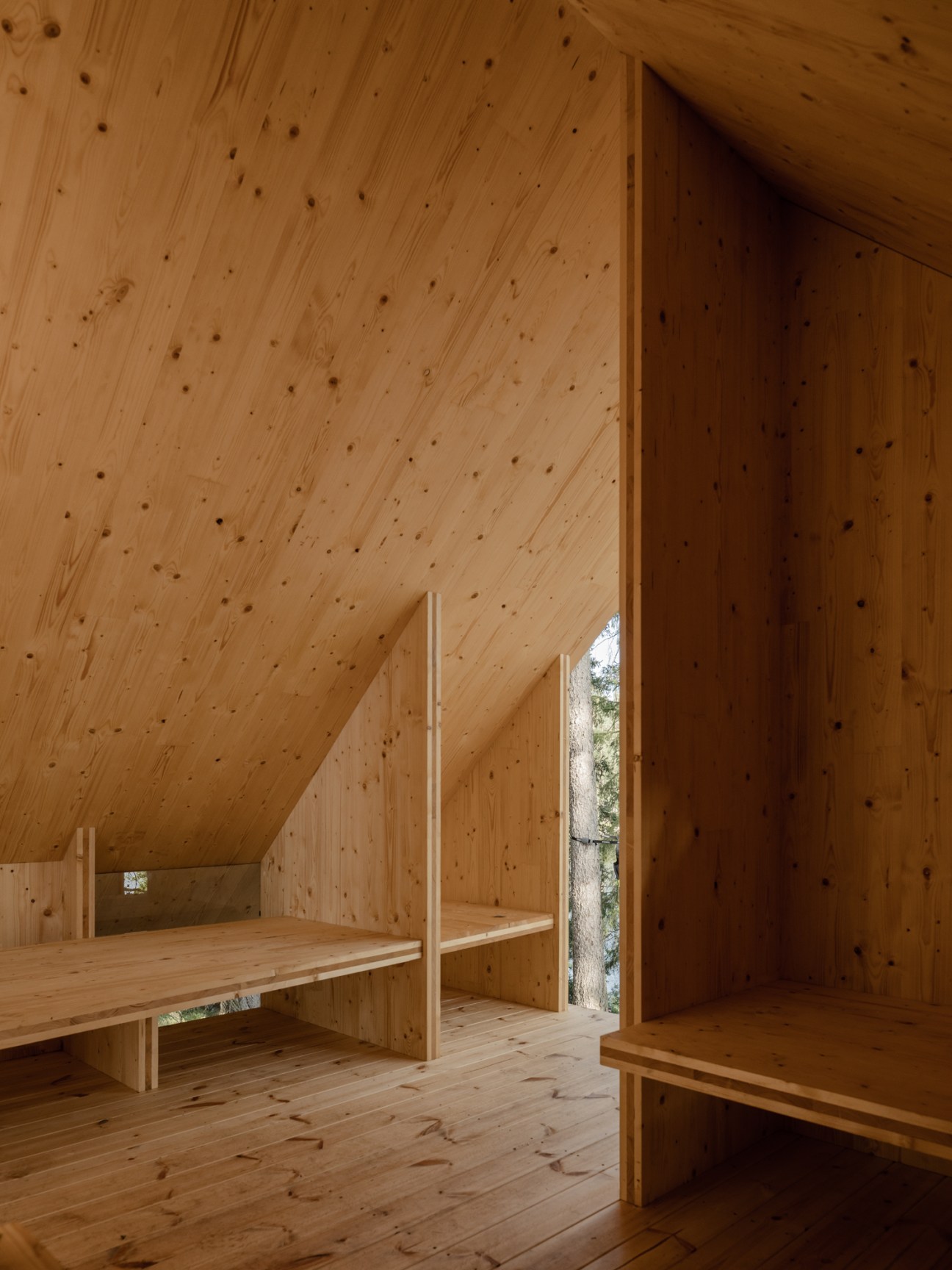
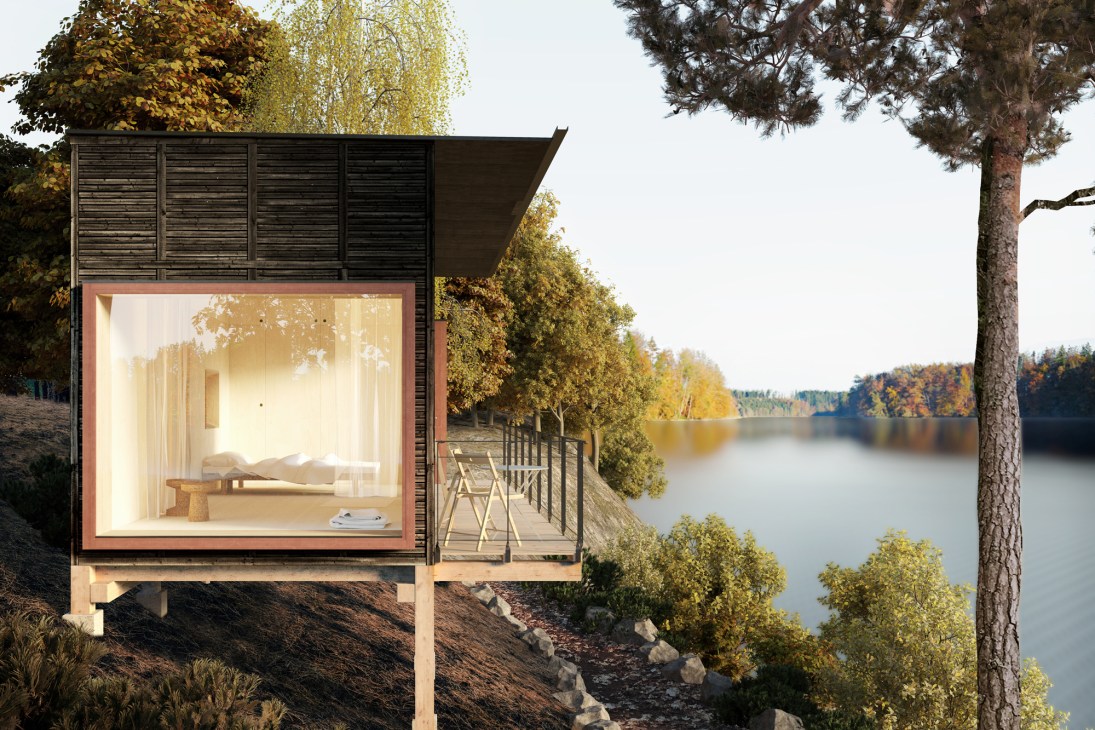
“We’ve become very adept at looking at the finest detailing and furnishing,” says Per. “Working with my brother and learning from his carpentry knowledge has really made me think properly about scale.” We present this award in the hope that it will inspire architects to consider every nook and cranny of a project, to truly maximise its value.
pernaden.se
19.
Best diplomatic address
Residence of the Swiss ambassador
From the street, the newly built Swiss ambassador’s residence in Mexico City doesn’t seem like an obvious place for a party. It looks like a bunker, with a windowless concrete façade. But the more you move through the site, though, the more it opens up and surprises you. “It is, above all, a working instrument for diplomatic events,” says Ambassador Eric Mayoraz, the current occupier of this residence.
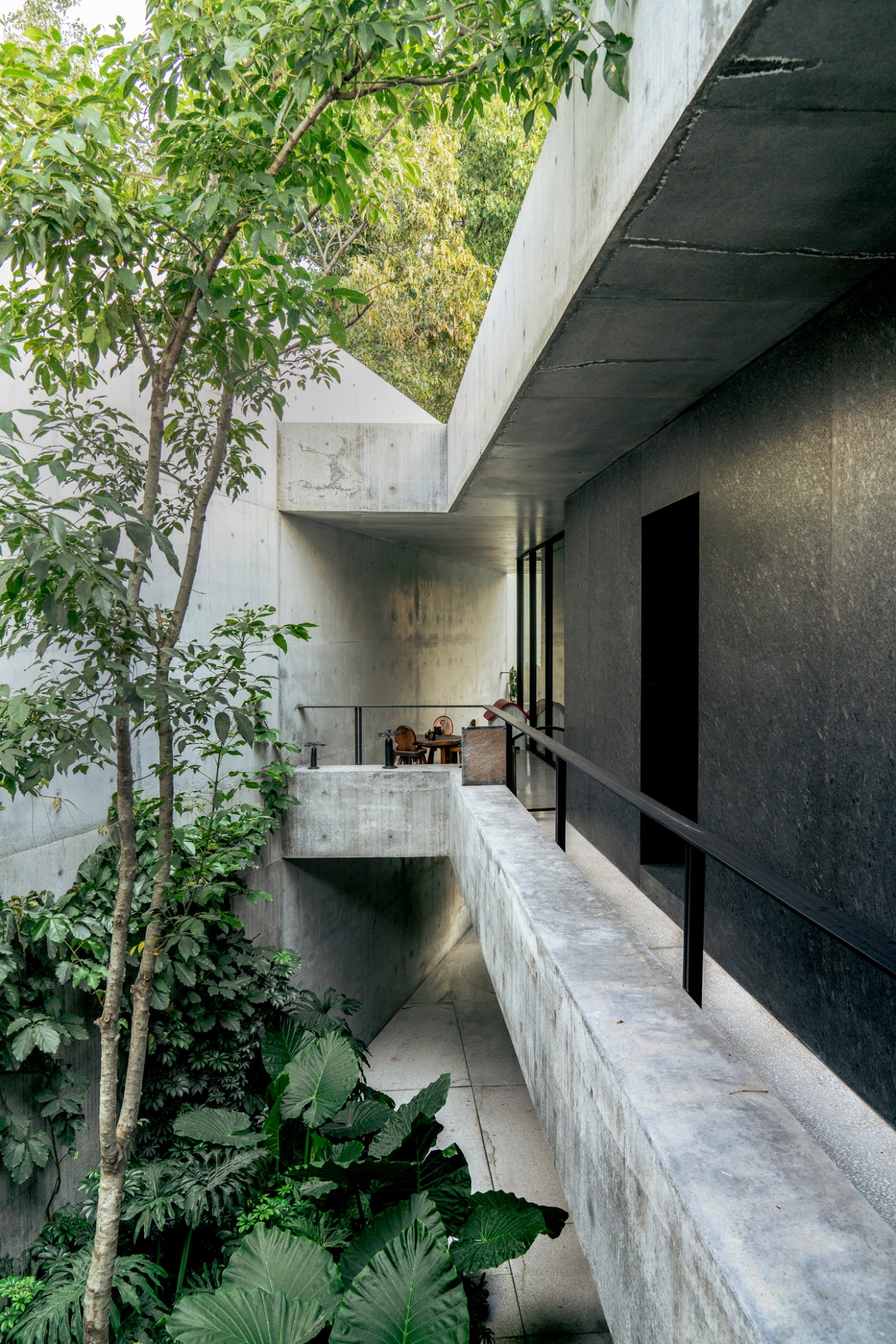
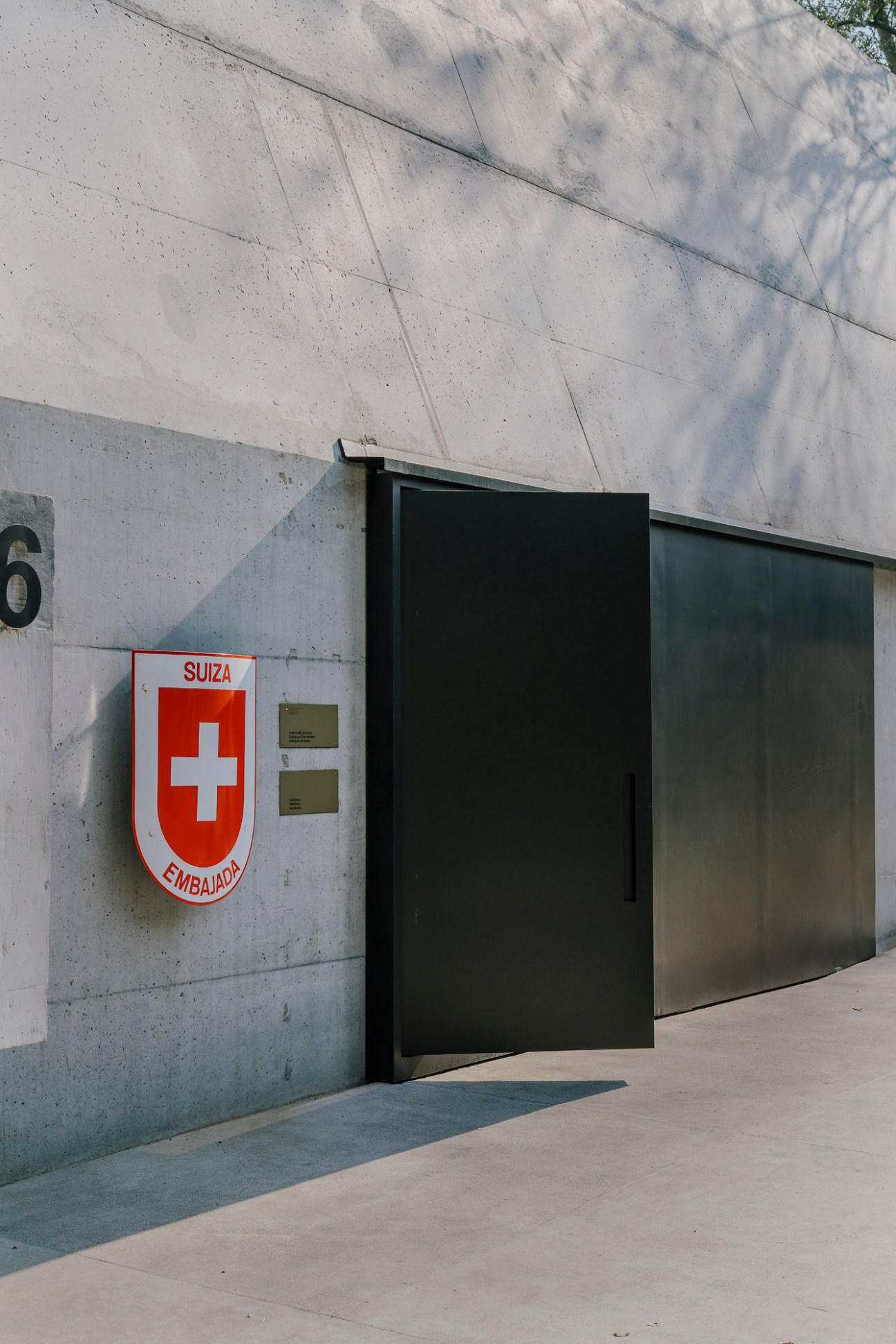
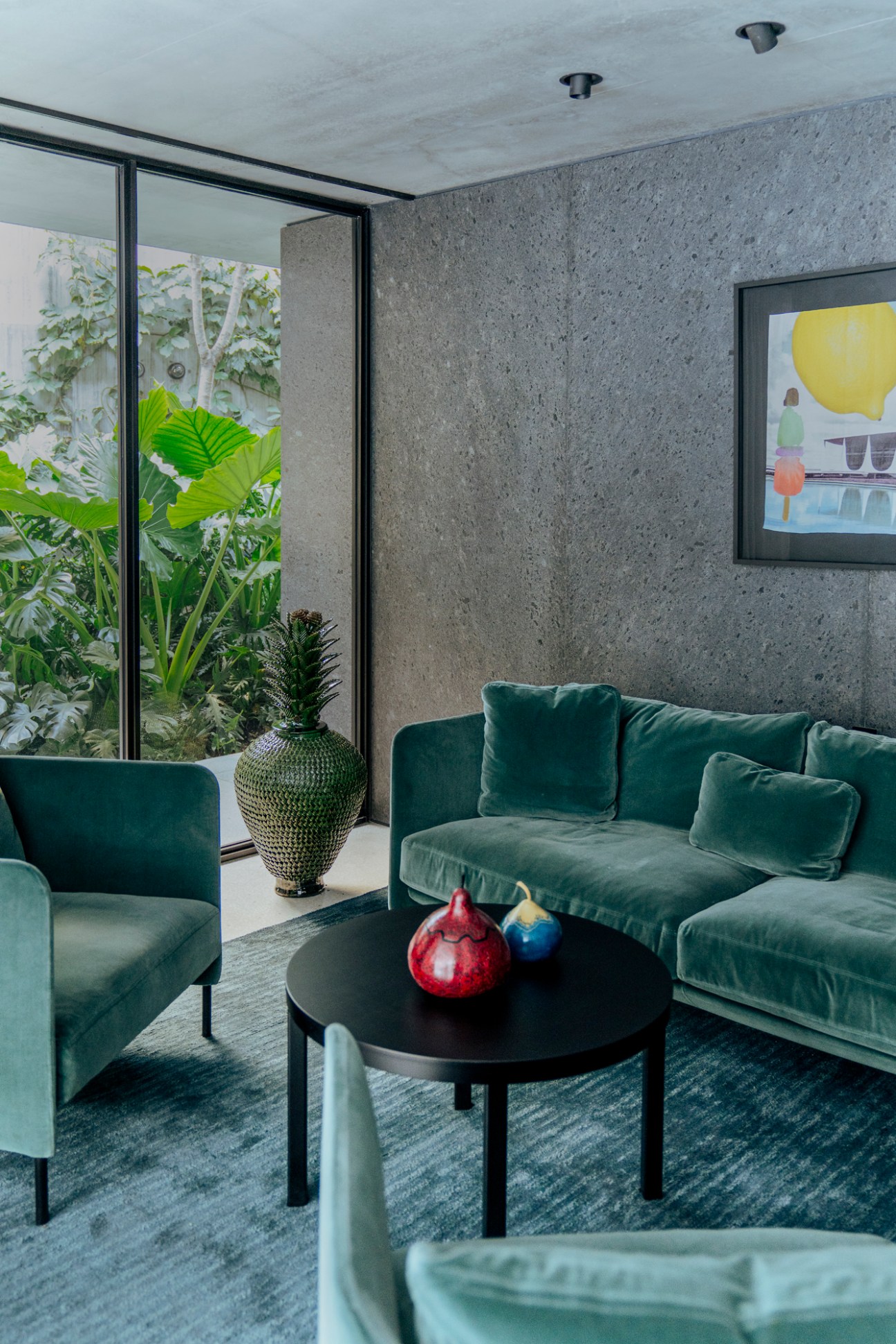
On balmy evenings the setting is filled with guests enjoying a space that feels like the best of two countries. For the architects – Mexico City-based Abel Blancas Morán, and Carlos Viladoms and Guillaume Henry of Geneva’s fhv Architectes – Swiss aspects are conveyed by what Henry calls a “floorplan that is functional and expresses simplicity”. Mexico, on the other hand, is signified by the lush and colourful flora integrated throughout the grounds. “The city’s year-round climate influenced the design of the house,” says Henry. “We blurred the boundary between the indoor and outdoor.” For a building referencing two very different nations, the resulting design is a remarkable success. “It feels Swiss but, when you look outside, you know you are in Mexico,” says Blancas Moran.
fhvarchitects.ch; blancasmoran.com
20.
Architect of the year
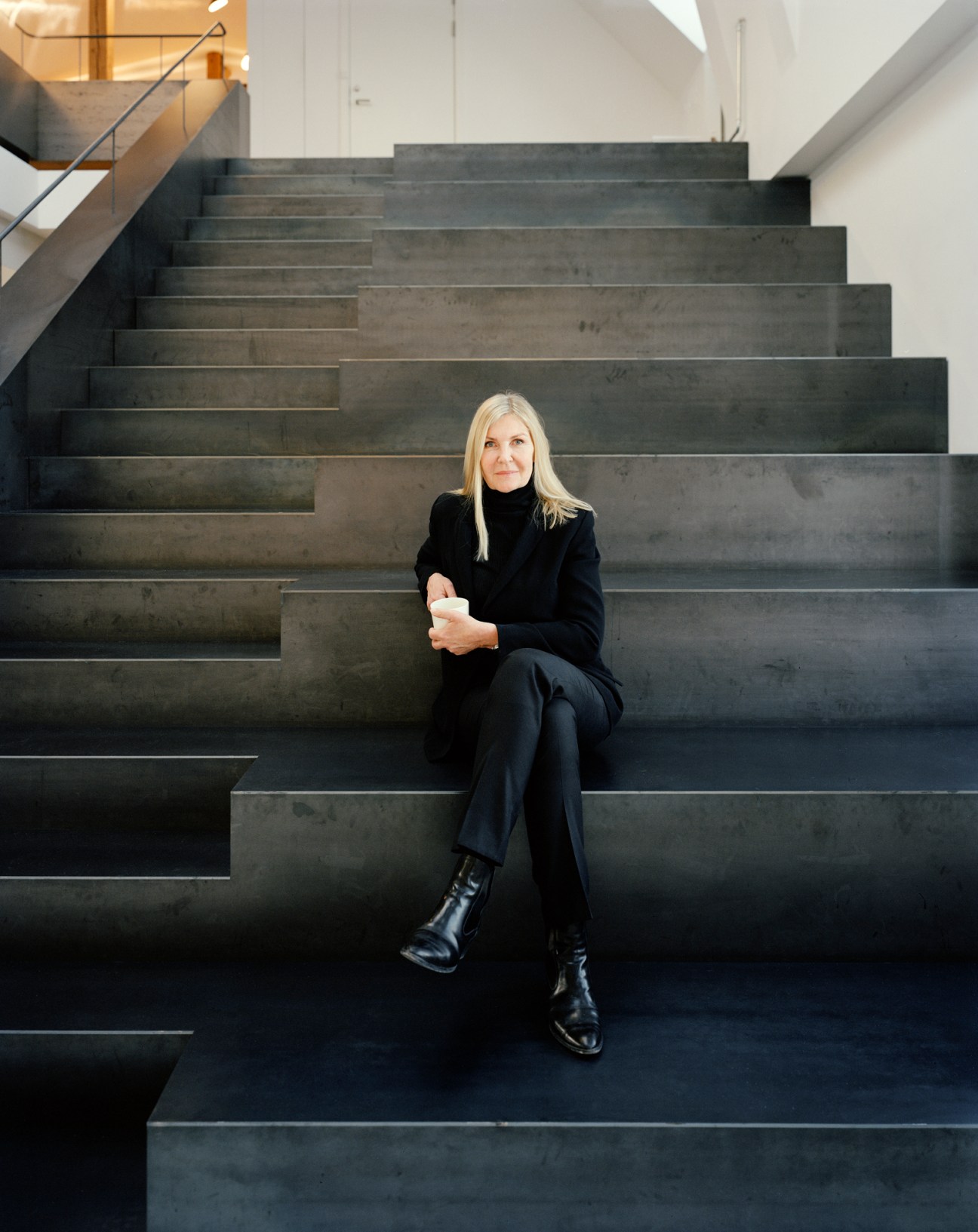
Dorte Mandrup
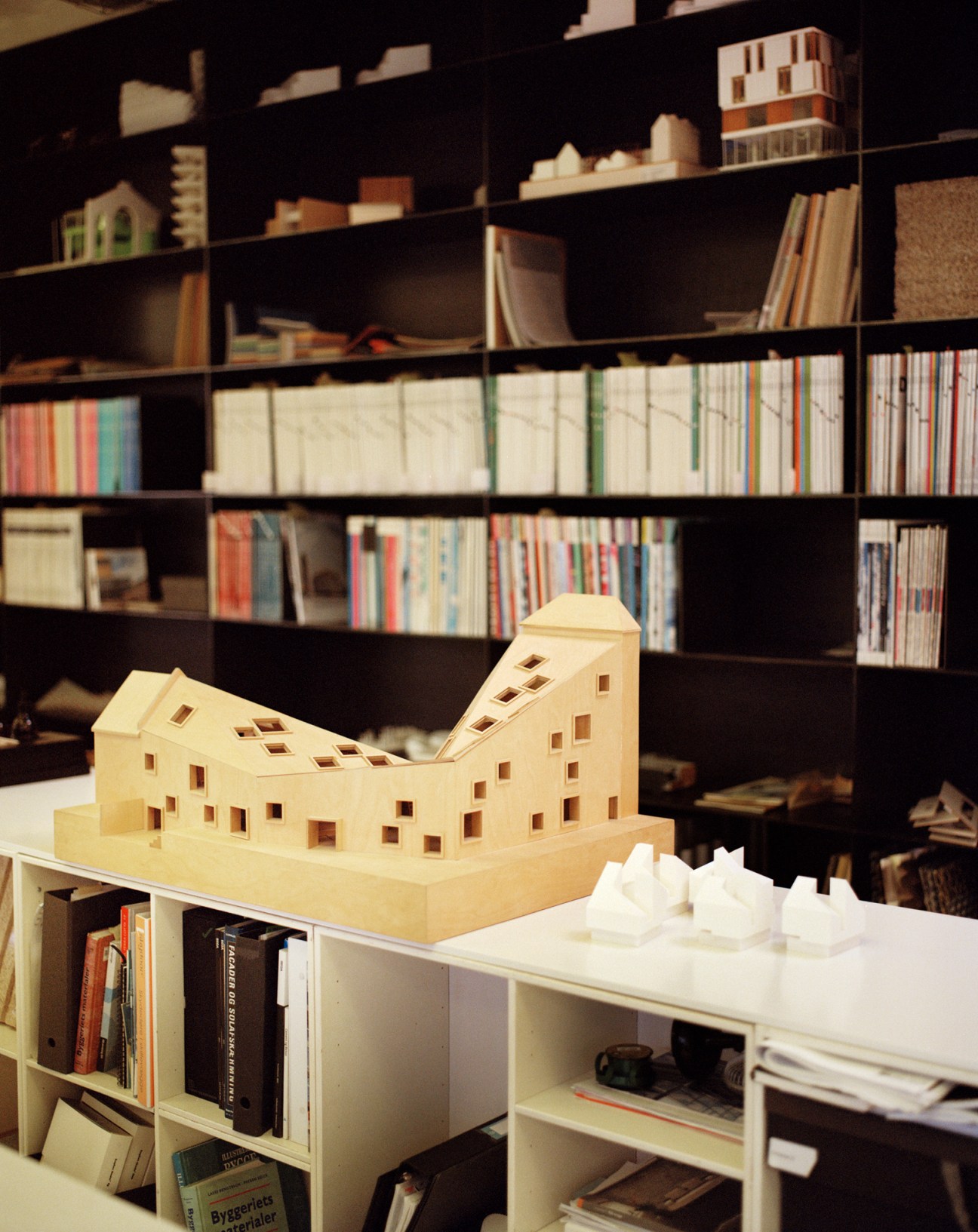
The most famous buildings by Dorte Mandrup, Monocle’s Architect of the Year, are in places few would visit by chance. The Wadden Sea Centre is by a nature reserve on Denmark’s west coast, while the Ilulissat Icefjord Centre sits next to a glacier in Greenland: both near Unesco-protected grounds.
Why are your designs so well suited to remote, natural environments?
We always go to point zero. Instead of looking at other visitor centres, for example, we do a landscape analysis and try to understand the building history of the area. There is always a functional reason why things look like they do.
Will more prestigious projects for architects be outside large cities?
We’ve been invited to many competitions that focus on bringing out the qualities of the landscape and pointing out climate change and threatened biotopes. There’s an interest in the biosphere and in trying to understand how everything is connected. In that sense, there is a move towards things happening outside cities.
What role can architecture play?
We can see a global social decline in the countryside. There’s a need to bring in quality workplaces in a sustainable way. In Denmark the Wadden Sea Centre has meant something to this region that is regarded as the outskirts. Now people are travelling in from cities – and they don’t just visit the centre but they stay at a bed and breakfast, go to restaurants, maybe discover something else. Architecture can bring about social change.
dortemandrup.dk
21.
Most terrific transport initiative
SAS Royal Hotel Bus
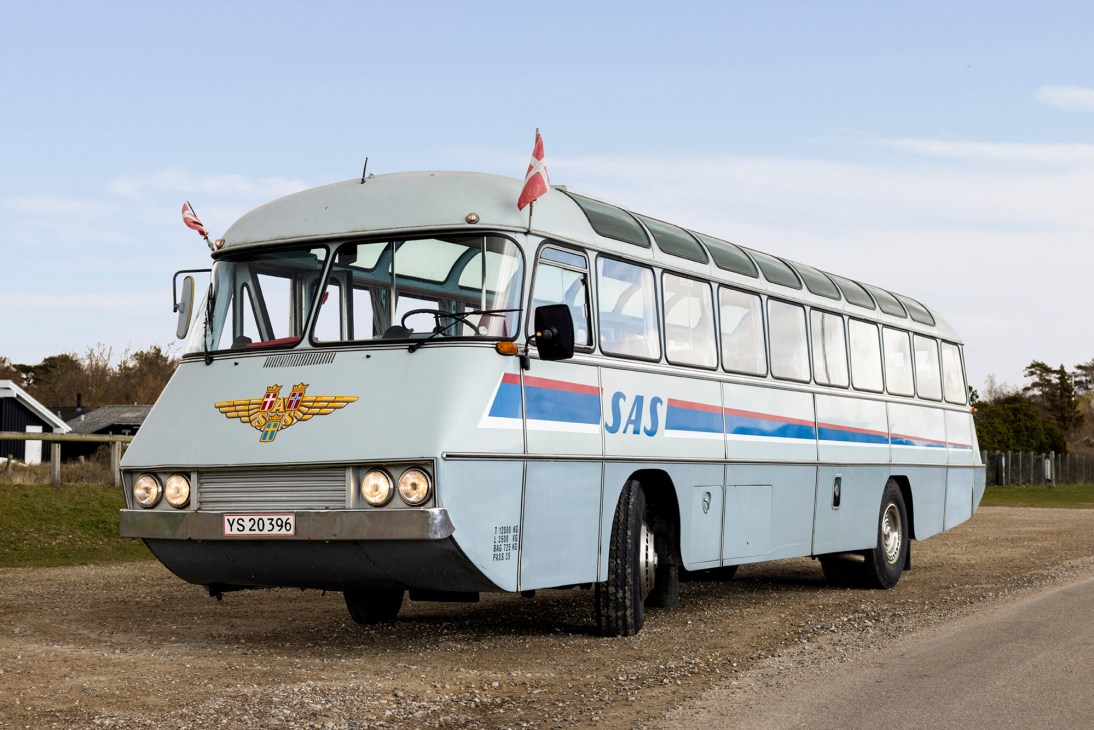
At Monocle we always enjoy the revival of a classic piece of design – which is why we’re keen to celebrate a new initiative from &Tradition. The Danish brand is using a decommissioned 1960s shuttle from the sas Royal Hotel as a modernist tour bus, offering trips during the 3 Days of Design festival in Copenhagen this coming June. Designed by late architect and designer Bent Severin, the bus is decked out in sas Airlines’ colours and used to carry passengers from the hotel’s bar to the airport. Soon it will take lucky design enthusiasts on guided tours, with stops at the city’s most iconic modernist buildings. It’s an idea we’re certainly on board for.
andtradition.com
22.
Best carpenters
SPSS Design Studio
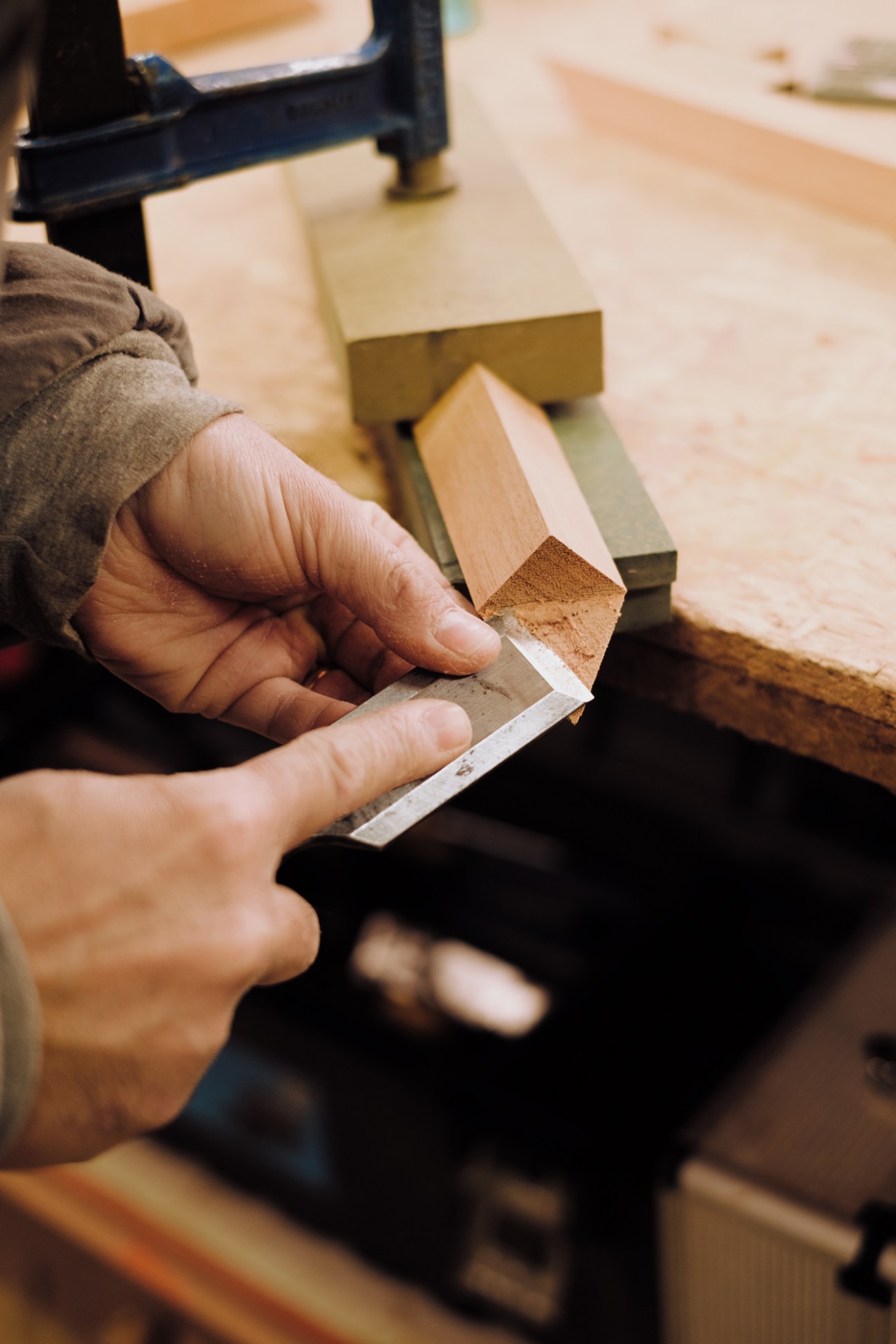
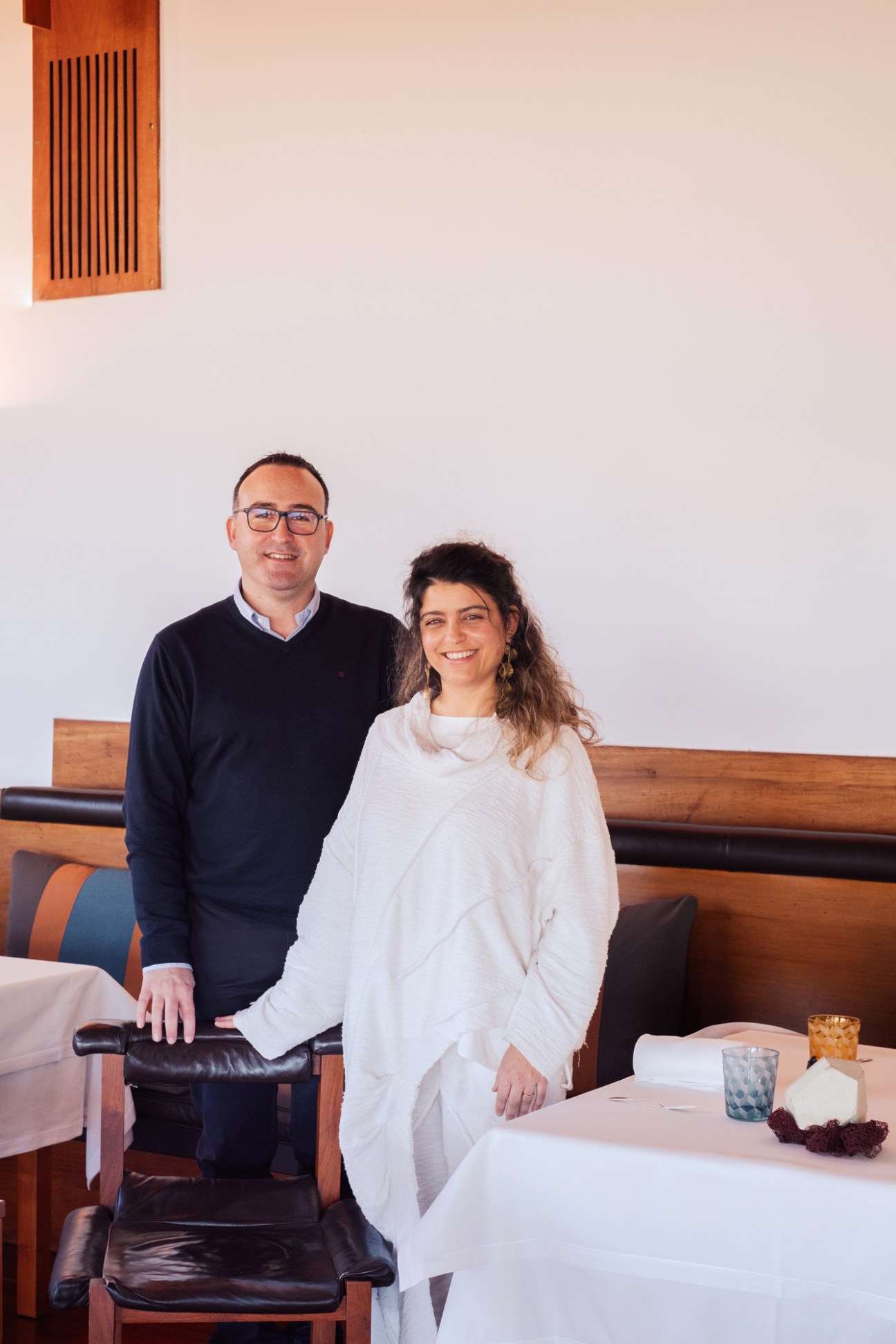
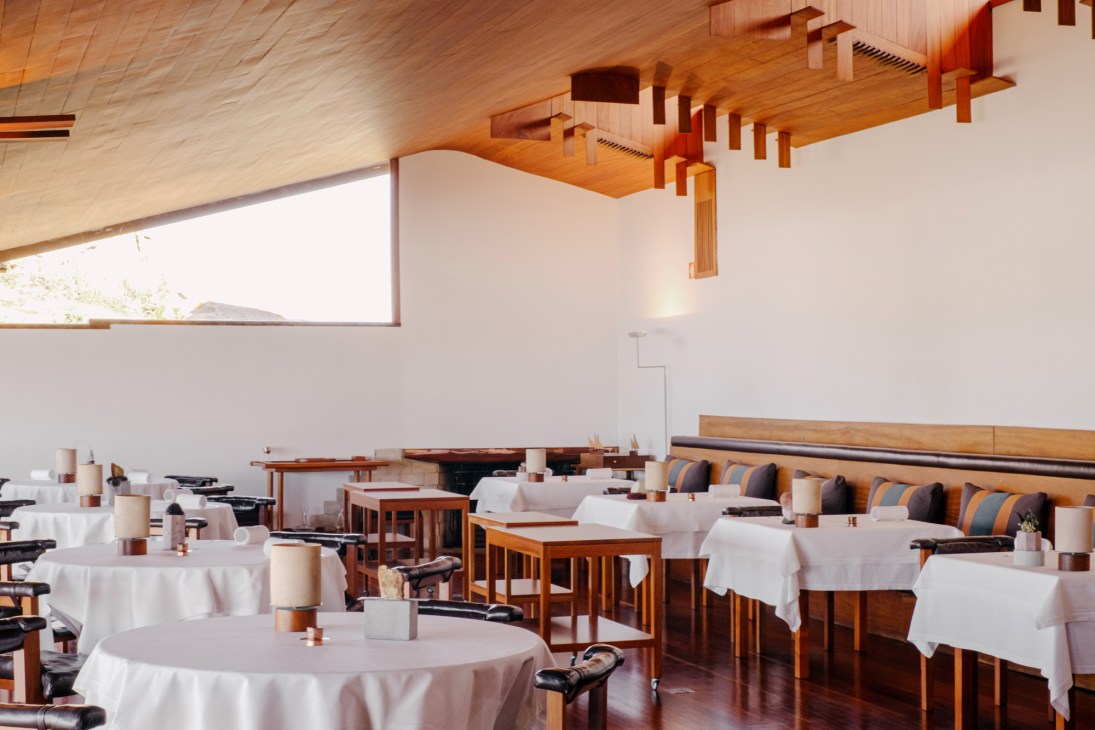
Fashioning bits of solid wood into beautiful shapes requires skill and a good eye. Porto-based carpenters spss Design Studio live up to the mark with their precision workmanship. Prominent architects, including Pritzker prize winner Álvaro Siza Vieira, regularly call on their services. “Translating an architect’s sketches for interiors and furnishings into reality is often a collaborative process as they come and discuss ideas,” says Pedro Simões who, with his sister Helena, represents the fifth generation of the family business. To enjoy the firm’s best-known work, head to the Siza-designed Casa de Chá da Boa Nova, north of Porto. Here, the seaside restaurant of chef Rui Paula boasts stunning seating in exotic Afzelia hardwood.
spss.pt
23.
Best community builder
Limbo Accra Builders
Dominique Petit-Frère and Emil Grip are on a mission to develop better building practices in Africa. And they are making headway, earning their studio this award. Petit-Frère studied international relations in Sweden before moving to Ghana and establishing design studio Limbo Accra with Grip in 2018. “I wanted to apply my training to impact the built environment in west Africa,” says Petit-Frère.
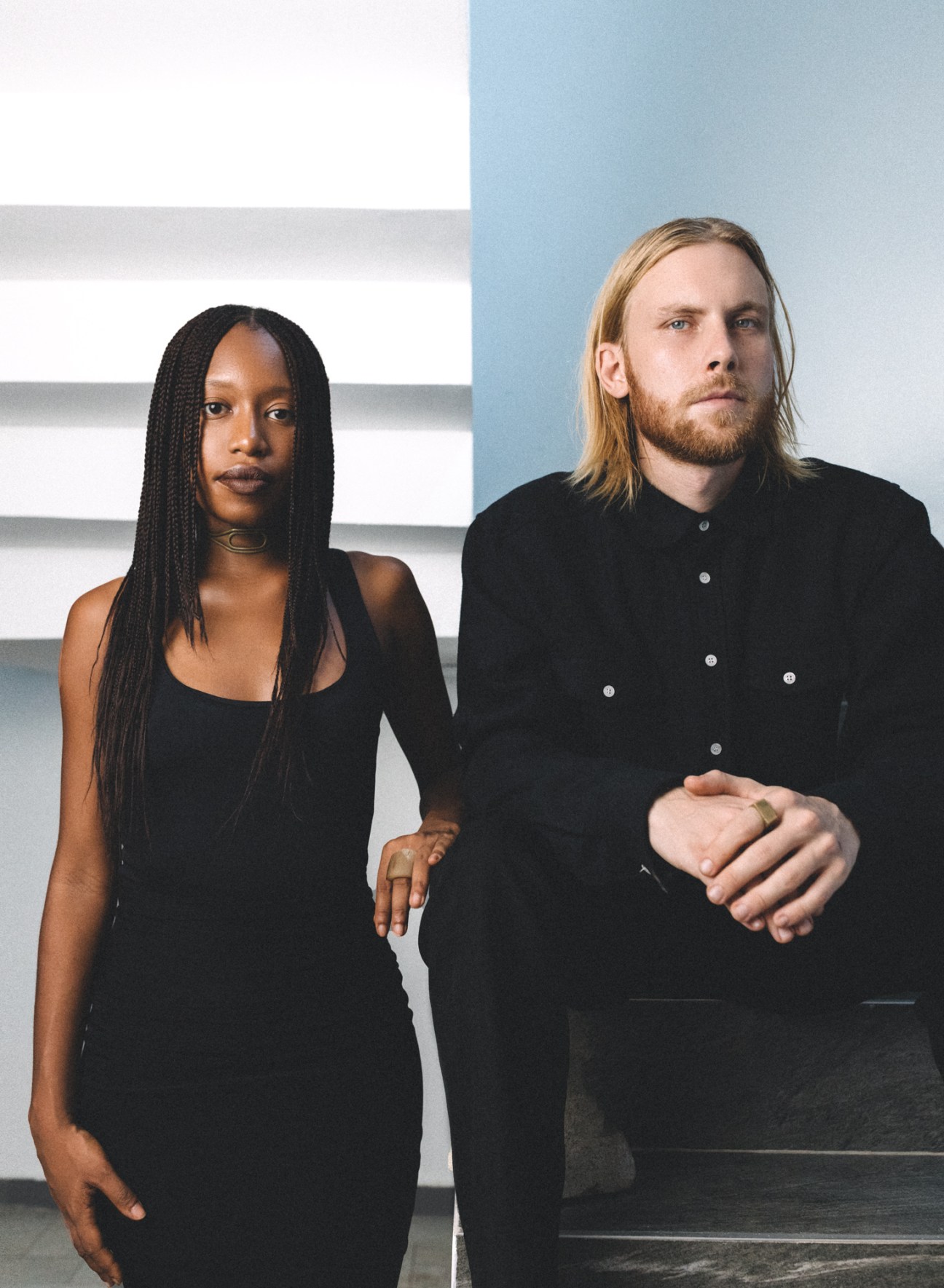
Their first project was an art installation in an abandoned building in Accra, which underlined the masses of incomplete developments across the continent. In 2021 they built on this by creating Ghana’s first public skatepark and launched a competition for young designers.
limboaccra.online
24.
Most impressive installation
John Lobb 3 Courchevel 1850
It’s common for brands to set up a temporary shop in a surprising location. It is less common for brands to build a beautiful stand-alone installation while doing so. Shoe-maker John Lobb erected a bespoke shelter on the French Alps ski resort of Courchevel for eight days in February this year, made with a timber frame that references the wooden lasts used to shape its famous shoes. This was then clad with white polycarbonate panels lined with cotton canvas (reflecting the surrounding snowy mountains). The structure was designed to be disassembled and rebuilt in other Alpine locations. “The idea was for it to be reusable, itinerant and long-lasting,” says Pierre-Alexis Corson, John Lobb’s director of communications. “We wanted it to reflect our sustainable dna.”
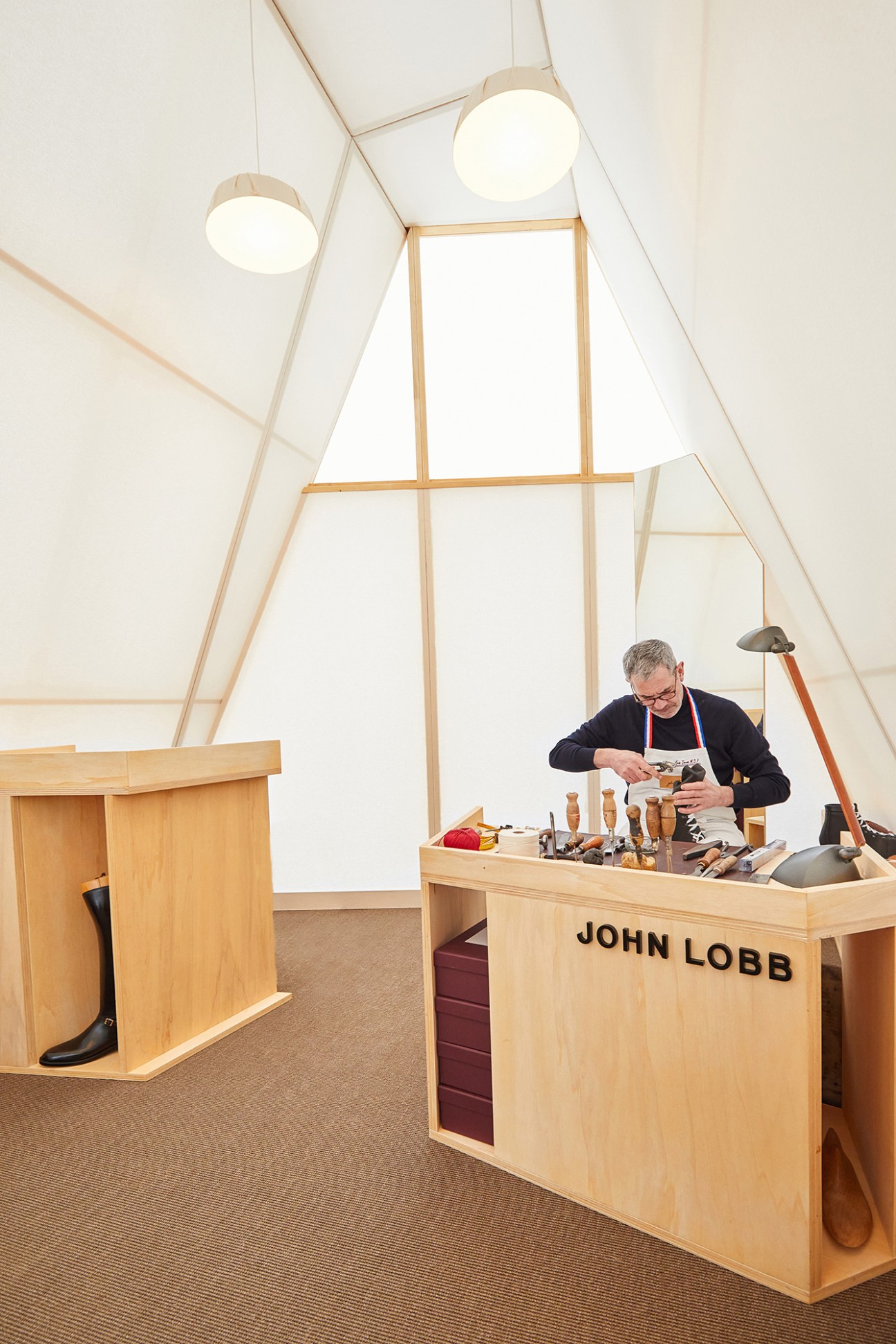
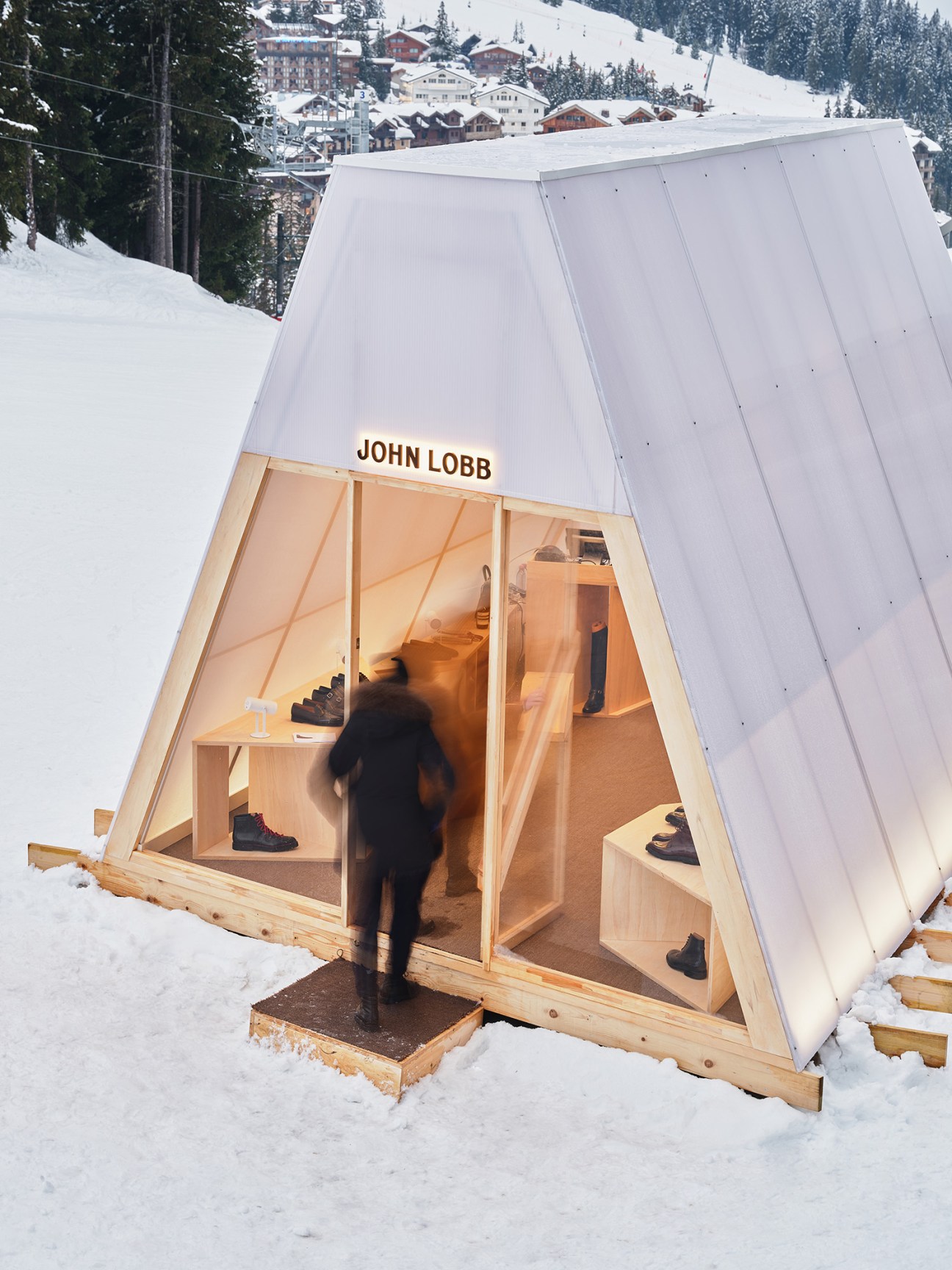
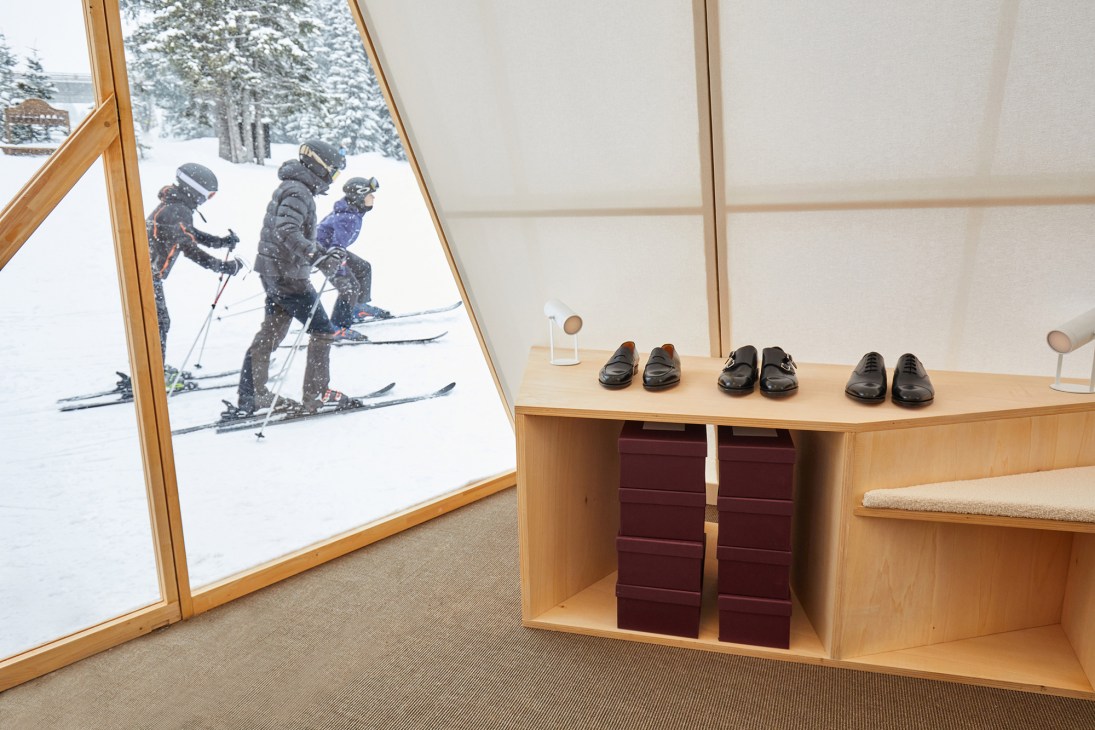
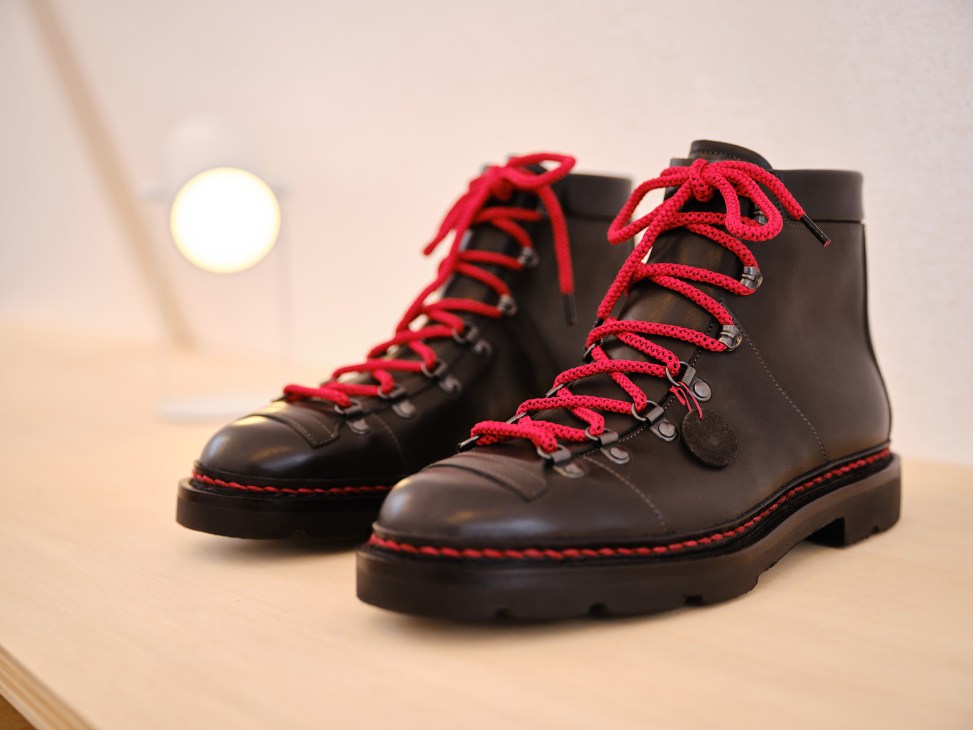
The project is a reminder that short-term installations can still capture a brand’s long-term ideals. The outcome, with the longevity of the installation aside, is a beautiful piece of architecture; reason enough for it to collect this award.
johnlobb.com
25.
Best social project
Anne Street Garden Villas by AOG Architects
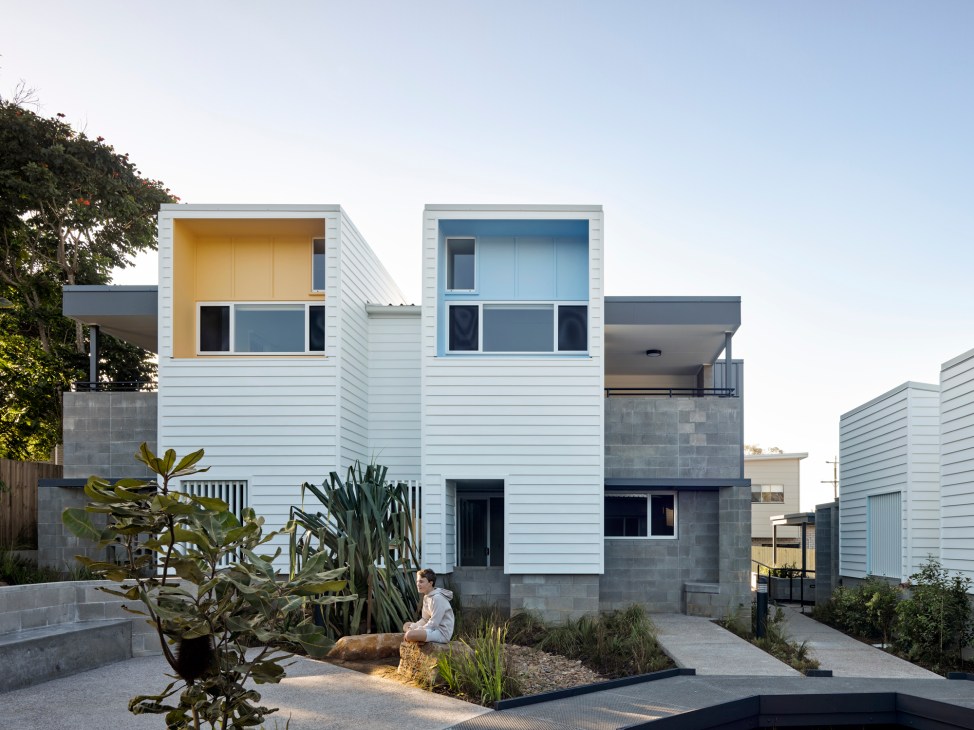
Public housing developments tend to comprise drab towers, large, desolate lawns or car parks and little imagination in their design. According to research led by Australian architect Anna O’Gorman, residents who live in these structures often lack a strong attachment to, and pride in, their homes. These feelings were addressed by O’Gorman and her practice aog Architects with their project at Anne Street Garden Villas on Australia’s Gold Coast: Monocle’s pick for Best Social Project.
Here, seven social-housing dwellings enjoy independent identities so that tenants can feel a sense of personal ownership. An example of this is seen through a unique colour delineation scheme applied to the residences. “We employed these small design moves that could have a big impact,” says O’Gorman.
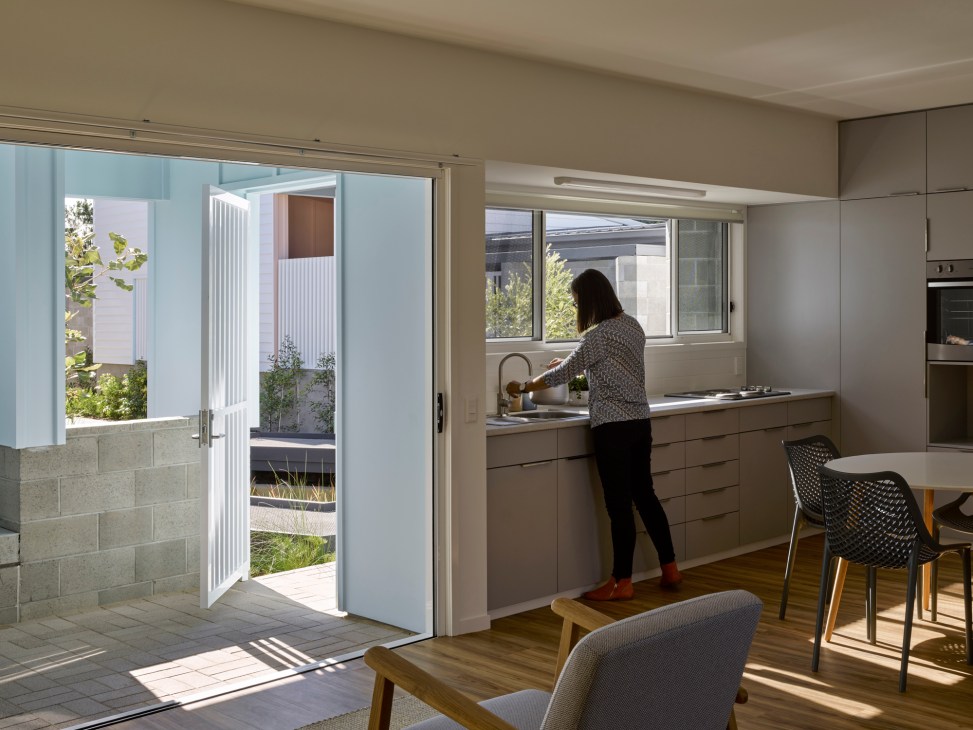
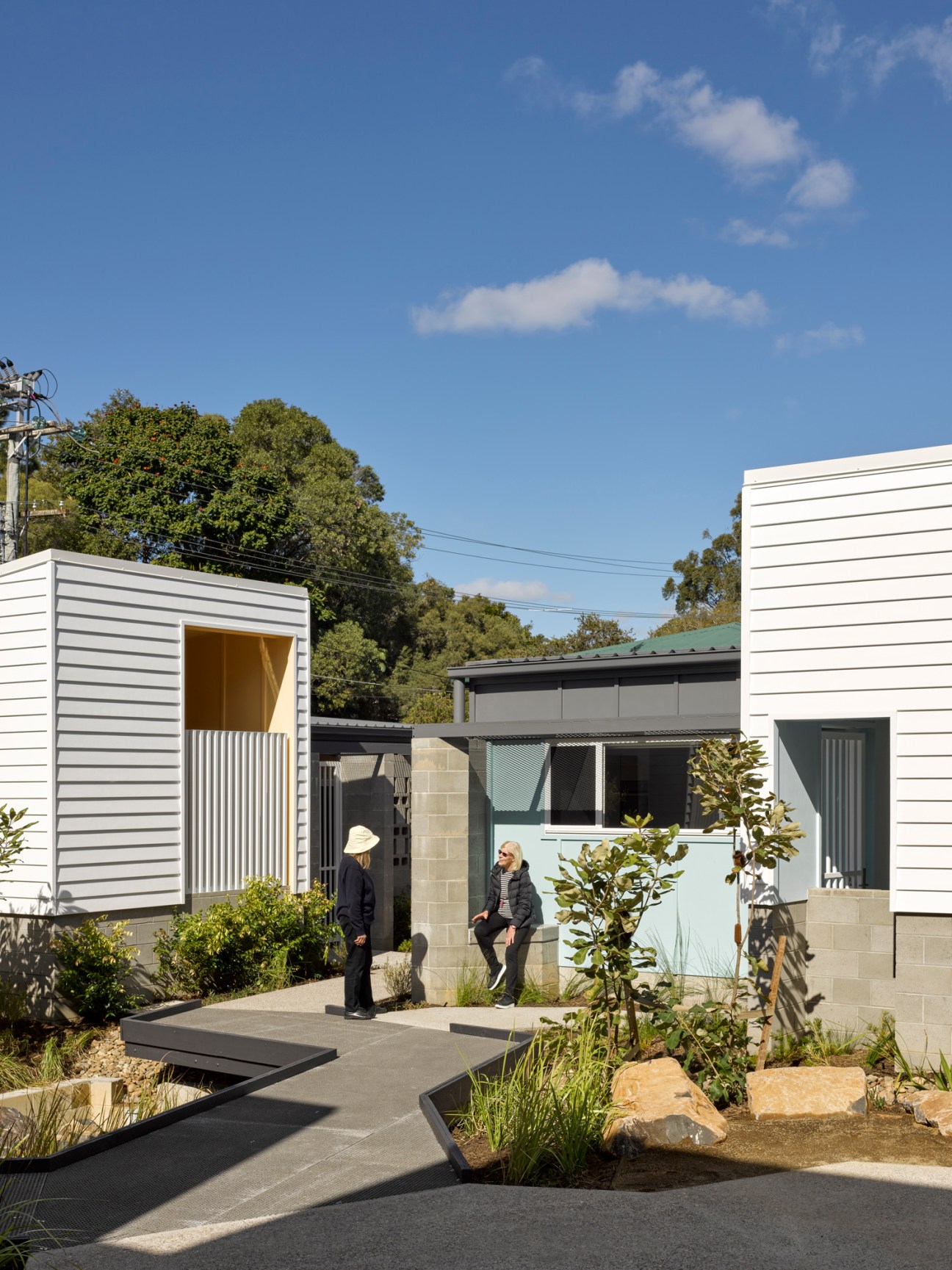
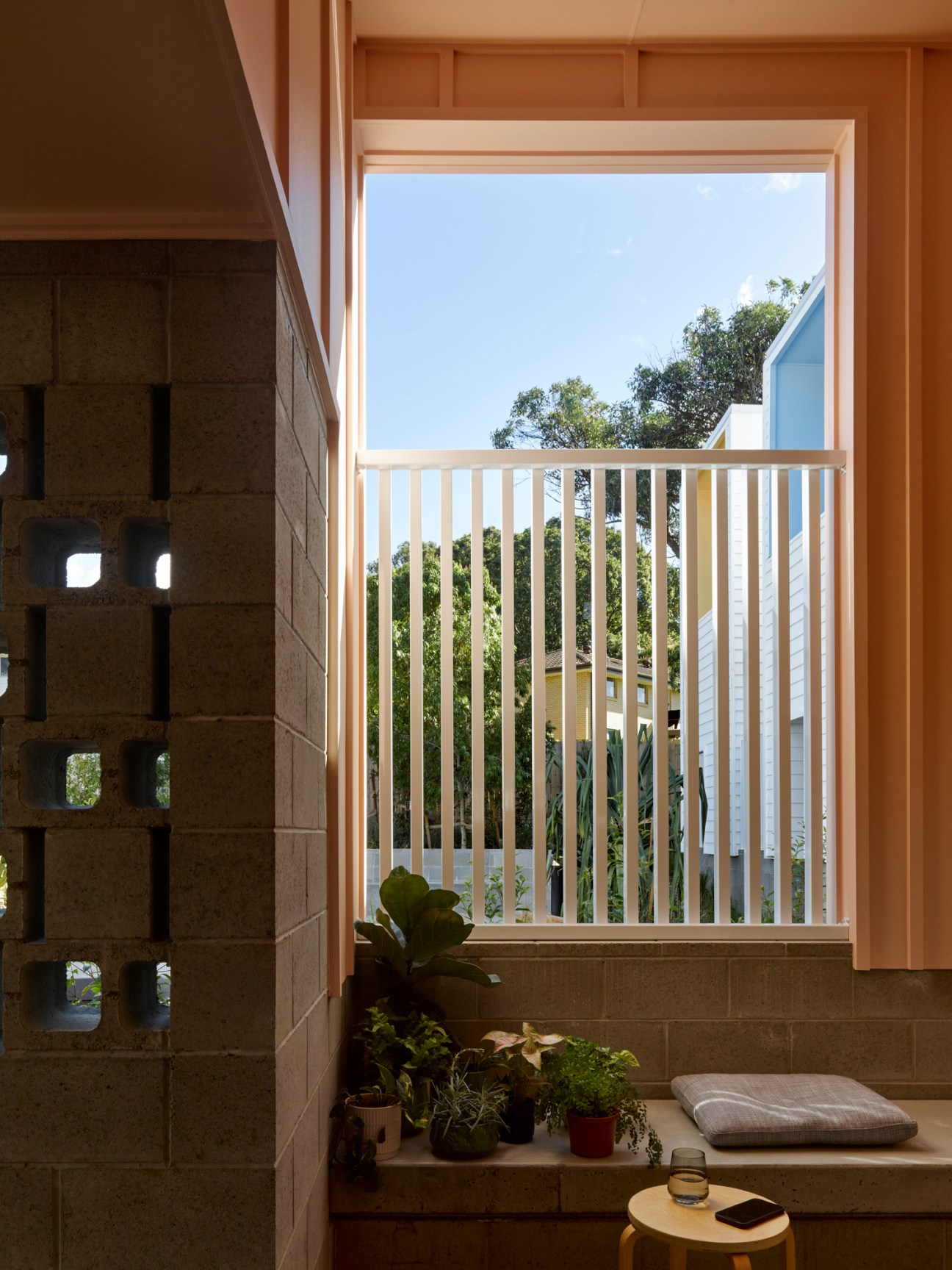
Commissioned by the Queensland state government as a demonstration project for other public initiatives, O’Gorman’s work is already proving to be a great recipe for success.
annaogorman.com
Images: Tõnu Tunnel, Andrea Pugiotto, Frederick Jones, Julien Regnier.
Still life: Philippe Fragniere.
26.
Best new brand
Koyori
Japan
Monocle’s pick for best new brand is Koyori, a Tokyo-based furniture firm that has paired up leading European designers with makers in Japan. “Our country has a brilliant woodworking tradition but our manufacturers have little global presence,” says founder Munetoshi Koda.
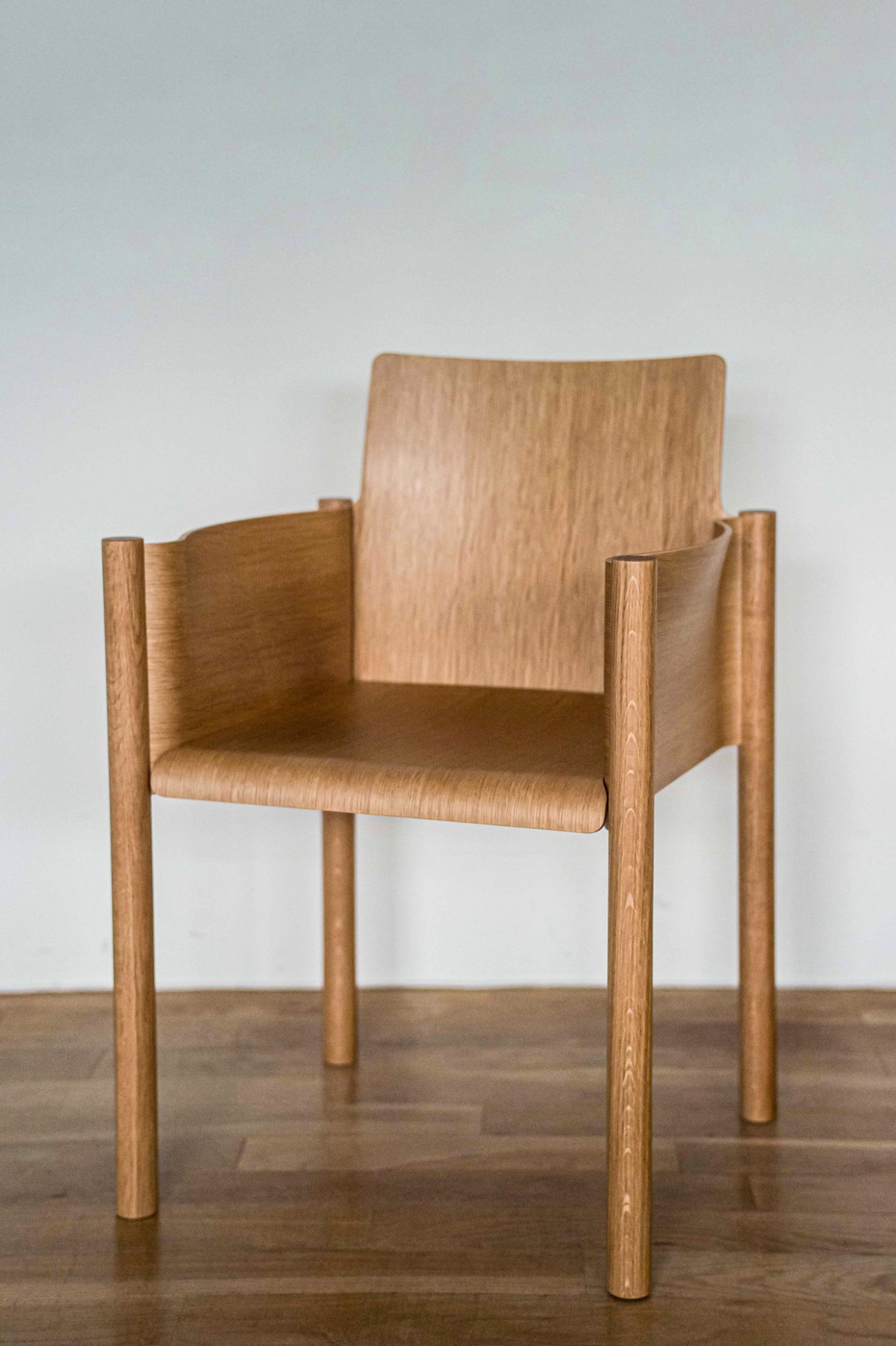
For its first collection, Koda introduced two of Japan’s best wood manufacturers to French designers Ronan and Erwan Bouroullec, and Danish-Italian firm Gamfratesi. The results, which will be launched this year at the Milan Triennale, are five chairs sculpturally shaped from plywood and solid timber; a fine example of how much is gained when creativity can cross continents.
koyori-jp.com
27.
Design classic of the year
Trípode by Santa & Cole
Spain
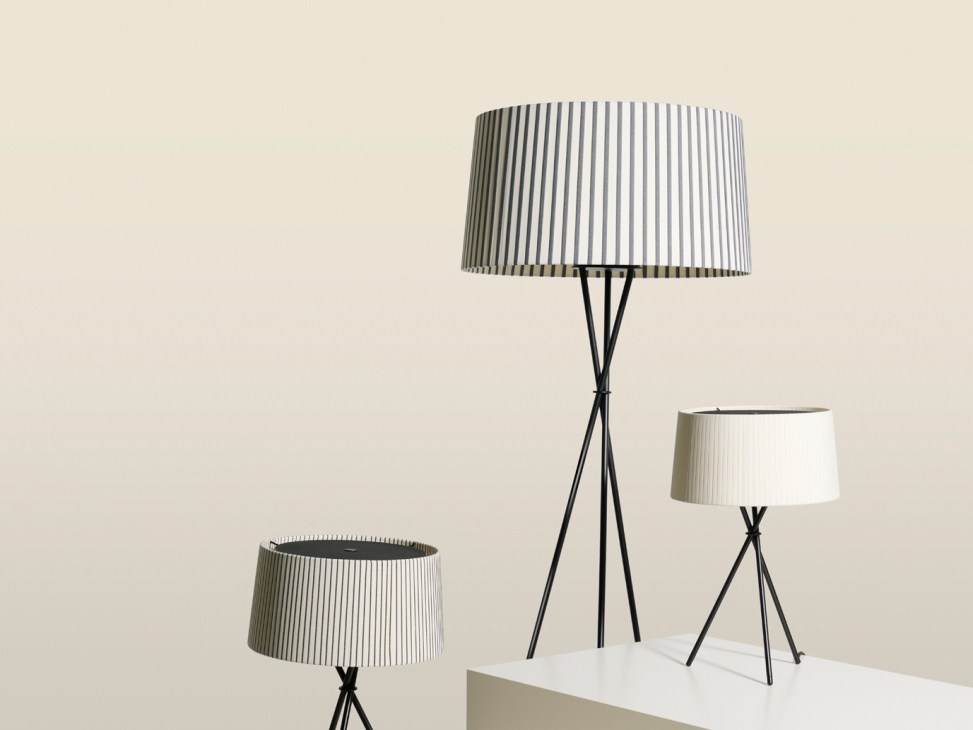
Between making plans and managing expectations, birthday celebrations are notoriously hard to execute. But Spanish brand Santa & Cole’s Trípode 25th anniversary lamp gets it right. A creation of the Santa & Cole team in 1997, the three-legged support provides a sleek, minimalist appeal, offset by the warm tactility of the hand-ribboned shade that sits atop the tripod. Available in three different sizes, this anniversary edition adds to the original with subtle new striped lamp shades. We like it because it’s an unpretentious homage to a classic, proving that the best celebrations are simple and meaningful.
santacole.com
28.
Best art direction
‘Die Zeit’
Germany
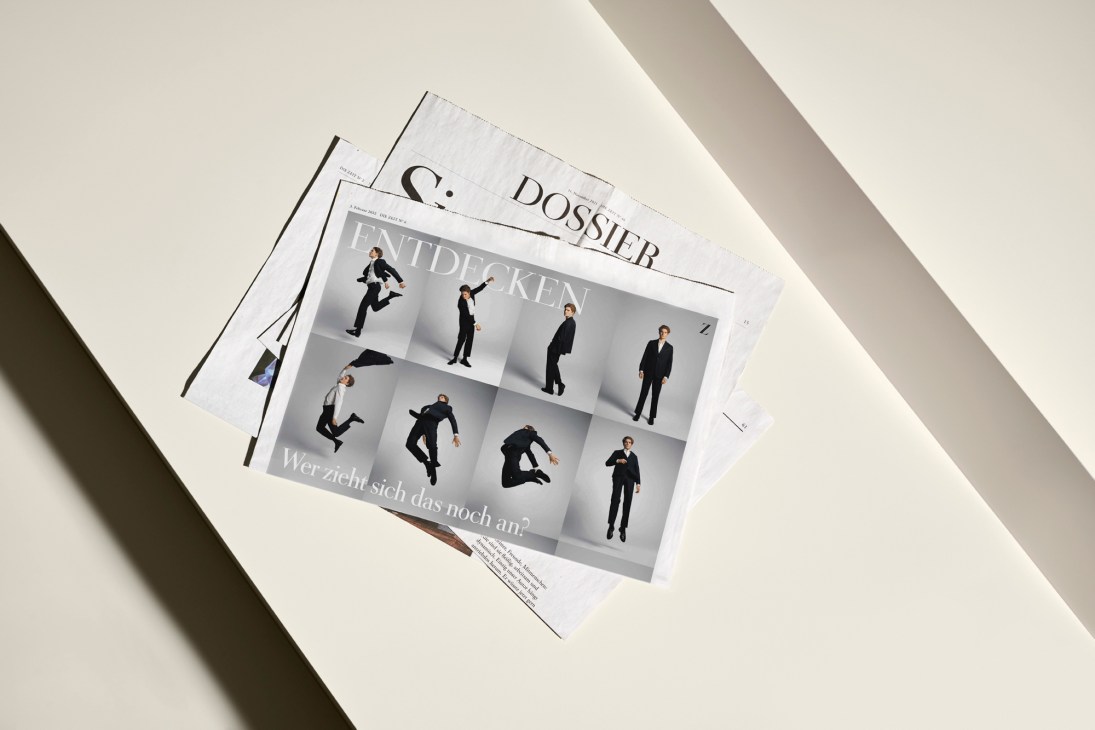
We know that good design is key to the survival of print journalism. Our pick for industry leader is German broadsheet Die Zeit. At the helm are art directors Malin Schulz and Haika Hinze, who work with photography director Amélie Schneider. “Our design has an attitude,” says Hinze. “It is an art, full of elegance and wit. Good editorial design is good journalism.”
zeit.de
29.
Best design archive
Fundación Ida
Argentina
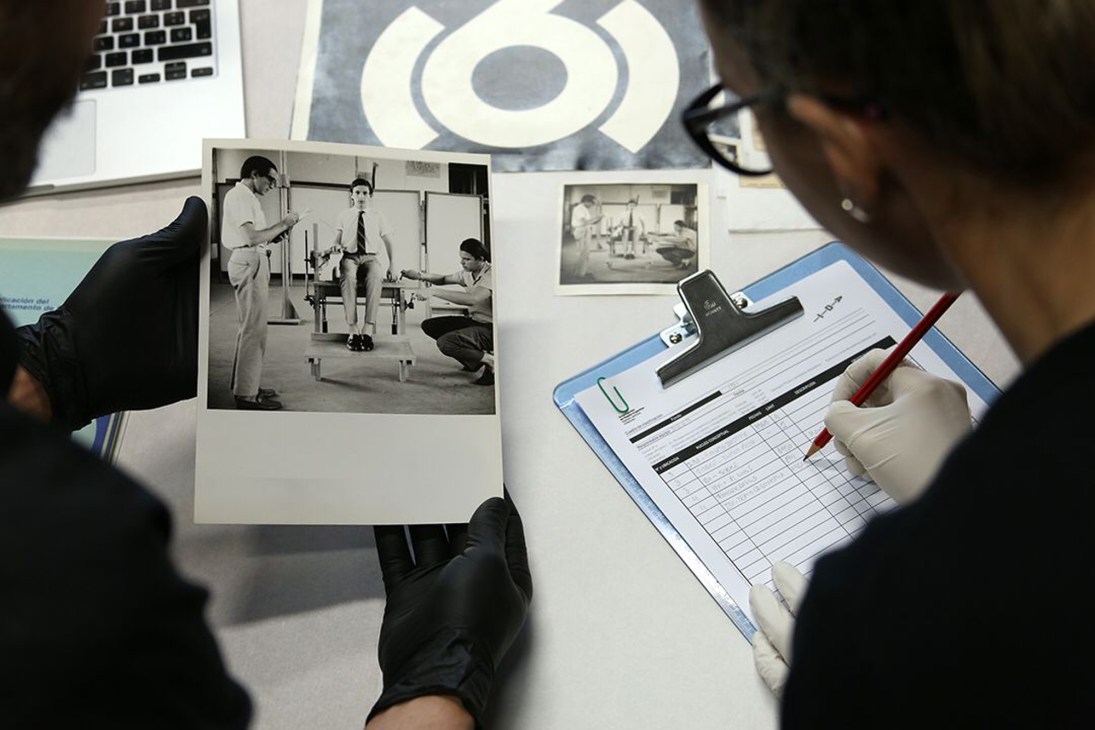
With more than a million pieces of Argentinian design, from chairs to architectural blueprints, the Fundación Ida is hugely impressive. In a nation with a poor history of record-keeping, the team behind this institution have persevered in preserving its design heritage. “In lots of Latin American countries, collections and archives were never kept track of,” says Wustavo Quiroga, Fundación Ida’s president. “So we’ve had to revise 100 years of design history, from industrial and product to graphic design.” The foundation’s records include sketches belonging to renowned architect Juan Kurchan, textiles by fashion designer Dalila Puzzovio and album art by graphic designer Alejandro Ros. Spanning disciplines and media, the archive is a testament to the breadth of the country’s varied design history.
fundacionida.org
30.
Best in construction
Summary Gomos building system
Portugal
Thanks to its Gomos building system (read: housing module), Portuguese design studio Summary has become a world leader in prefabricated construction. Made from modified versions of a standard concrete sewer pipe (fitted with insulation, windows and electrics prior to being installed on site) the units can be quickly erected in almost any location, making them perfect for communities that are facing housing shortages. We’re awarding the concept not just for its innovative low-cost nature but also for the beauty of the outcome. Summary always plays a part in installation, carefully considering volume, proportion and light in its placement of modules. Just look up its recently finished woodland cabins in Portugal’s Alvarenga for a perfect proof of concept.
summary.pt
31.
Best patio pick
Tropique Collection by Gubi
Denmark
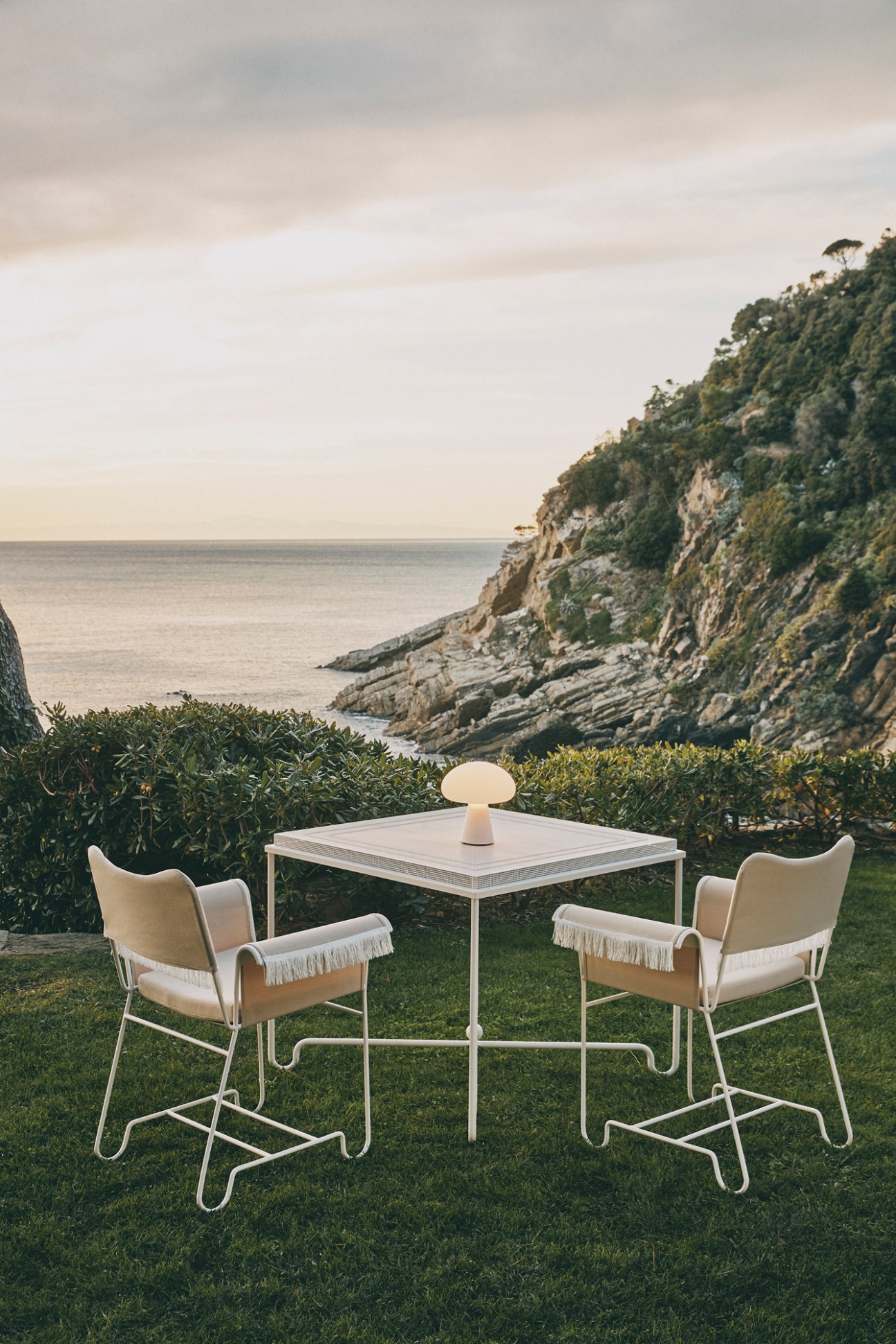
Originally created in the 1950s, Danish furniture firm Gubi’s revival of Mathieu Matégot’s Tropique Collection is composed of two stainless steel-framed dining chairs and a dining table. We love the playful fringes on the canvas seats.
gubi.dk
32.
Best in restoration
Xalet del Catllaràs
Spain
Catalan architect Antoni Gaudí is now known globally as the biggest proponent of the modernist style that defines Barcelona but his work didn’t always garner the appreciation it does today. For much of the 20th century, some of his buildings were left to gather dust. And while the Sagrada Familia – the tallest cathedral in Europe, set for completion in 2026 – welcomes thousands of visitors a day, some of his smaller projects remain unknown.
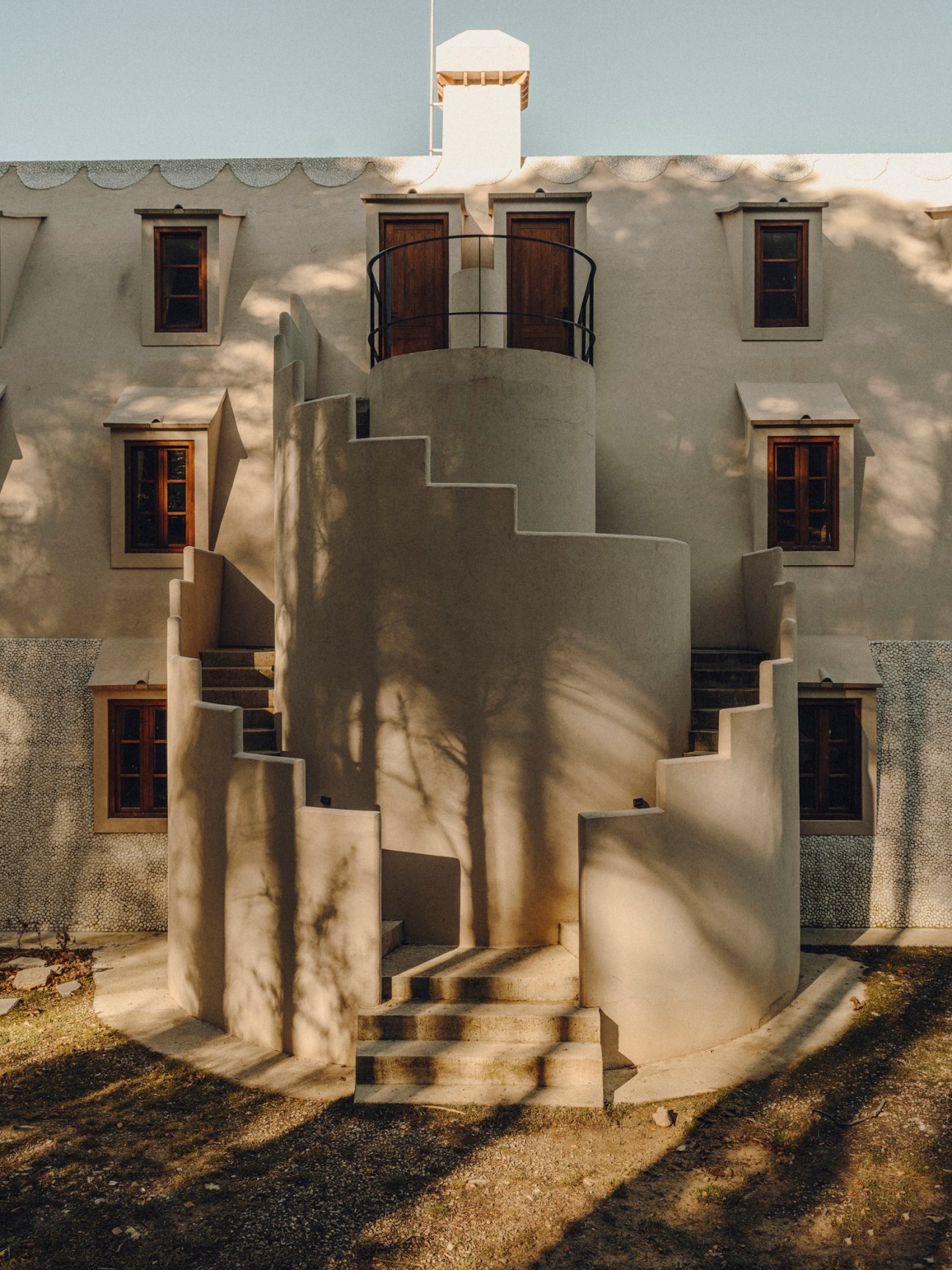
One of them is this hiking lodge in the Pyrenees, near the village of La Pobla de Lillet. Completed in 1905, the Xalet del Catllaràs was commissioned by businessman Eusebi Güell to house a group of British engineers working in his nearby coal mine and cement factory, the first of its kind in Catalonia. But when the mine closed in the 1930s, the lodge was forgotten and fell into disrepair. The first stage of an extensive restoration funded by the EU and the Catalan and Barcelona governments was completed in 2020. The hope is that it will reignite interest in this corner of the Pyrenees.
“We have a jewel that we are very proud of and it has huge potential,” says La Pobla de Lillet’s mayor Enric Pla Aramberri, who is now working hard with his team to open the building to the public in the next two years. “It’s crazy that we have a building by Gaudí an hour from Barcelona – and nobody knows about it.”
08696 La Pobla de Lillet, Spain
33.
Creative director’s choice
Model 607 lamp
Italy
Fifty years ago, Venetian-born designer Gino Sarfatti embraced the lighting technology of the time and designed the Model 607 table lamp, one of the first lamps to utilise the new halogen bulbs. Sarfatti, who also founded the lighting company Arteluce, was prolific, designing more than 700 lights over 50 years. The Model 607 is a perfect example of balance and contrast, made from just two components: a parallelogram-shaped base, onto which a disc-shaped lamp rests. The hollow forms, made from folded aluminium, feature a special crackled finish. It is both delicate and industrial. The light is operated by a large turnable dimmer dial, which clicks satisfyingly as it switches on and off.
34.
Designers of the year
Industrial Facility
UK
This year is the 20th anniversary of Industrial Facility and founders Sam Hecht and Kim Colin are still hands-on.
“The more digital the world becomes, the more manual the way we seem to work becomes,” says Hecht. He compares the enjoyment of good design to good cooking, where an appreciation for how produce is grown is as celebrated as the meal it is used to make.
It’s an approach that appeals to Monocle. Design to forge better connections with the physical world is valuable. Creating these connections – and making them enjoyable – is what Industrial Facility does best. From ergonomically-perfect coffee-making machines for Muji to cosy portable workspaces for Herman Miller, their body of work is inspiring.
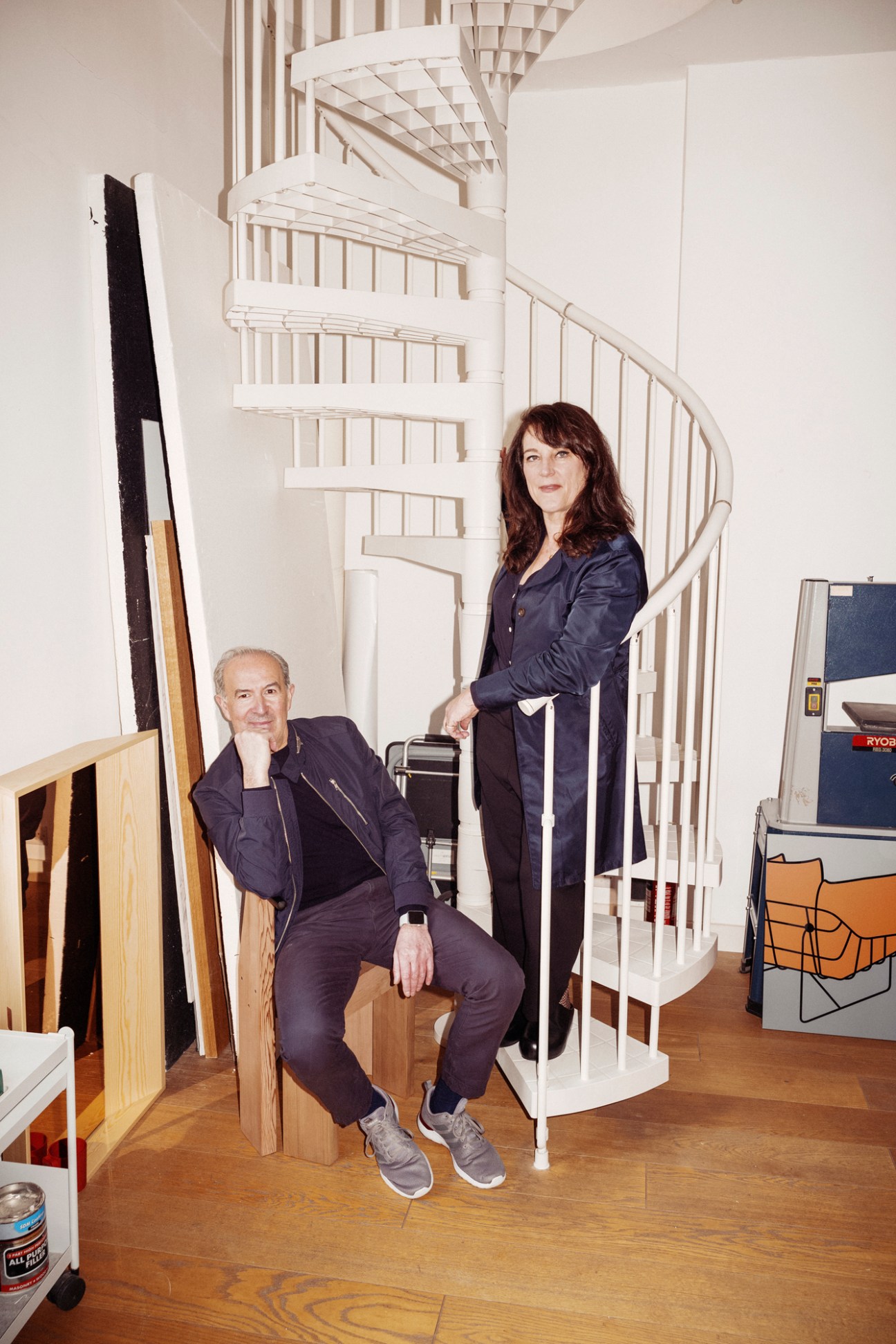
Take us through your design process.
Sam Hecht: It starts with conversations and discussions, tearing ideas apart and putting them back together in words. Noodling, thinking, contemplating and arguing.
Kim Colin: Through this we solidify a point of view. And this point of view has to carry the whole project, from material choices right up until the end result. We find the form and the shape from this point of view.
You deliver projects for different budgets. How can affordable design still be good design and why does this matter?
SH: Danish flat-pack furniture company Takt promotes important values about authenticity and contributing positively to our homes and workplaces but with an aim to make these values more democratic, more affordable and accessible. They don’t simply want to make cheap furniture and they came to us to develop a product that channels these values.
With the Sling Chair we developed, we wanted to make the assembly as beautiful and elegant as enjoying the finished product. This is because it creates a relationship with the customer.
The aim was to break the equation between what something costs, what it’s made from and how long it should last. This piece is affordable but it should also last for generations.
How do you encourage people to think more deeply about design?
KC: We like to talk about the design process, because it’s so engaging for us and because so much goes into our work. Hopefully, people reach for our final products for the right reasons but the product can’t say everything about itself. As designers, we have responsibilities as teachers to explain what can’t be seen. We try to reveal this not just to design students but to our clients. We want everyone to understand that design is a lot more than you think it is.
industrialfacility.co.uk
35.
Release of the year
Time & Style
Japan
Picking a favourite piece of furniture from a wide and inspiring variety of entrants is no easy task. But there is something instantly iconic about this release from Japan’s Time & Style. The timber chaise-longue was originally designed by Peter Zumthor in 1996 for his celebrated Therme Vals baths project in Switzerland. And, while our chosen model does have time on its side, it’s the expert craftsmanship on this updated version that makes it a winner. After all, Time & Style has made this sleek and purposeful design available to consumers worldwide for the first time.
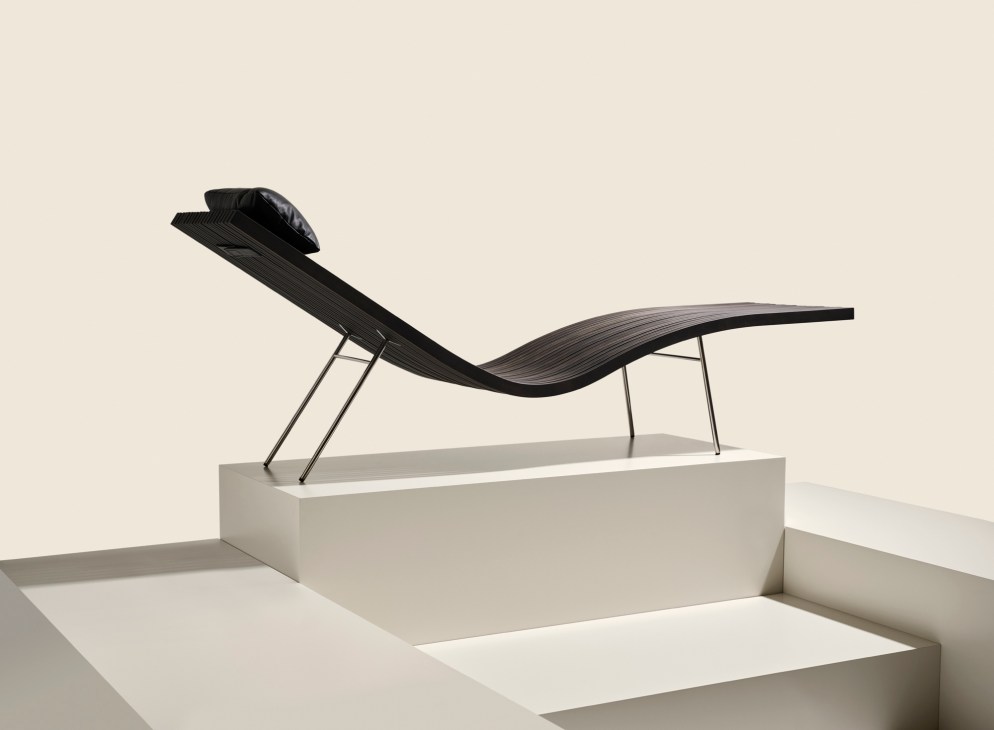
Manufactured in Akita, the wooden frame of the elegant Valserliege Type 1 is steam-bent, which means that no timber is wasted in the process. With a curved form shaped to naturally cocoon the human body and a comfy, leather-lined headrest to sink into, the piece makes you feel as though you are floating in mid-air.
It’s part of a broader collection from Time & Style that revives multiple masterpieces from Zumthor’s back catalogue and we are sure that the firm has a global hit (or two) on its hands. With a showroom soon to open in Milan and one already trading in Amsterdam, the brand won’t be confining this fine piece of design to its home country.
timeandstyle.com
36.
Favourite label
Scala Cirò Bianco
Italy
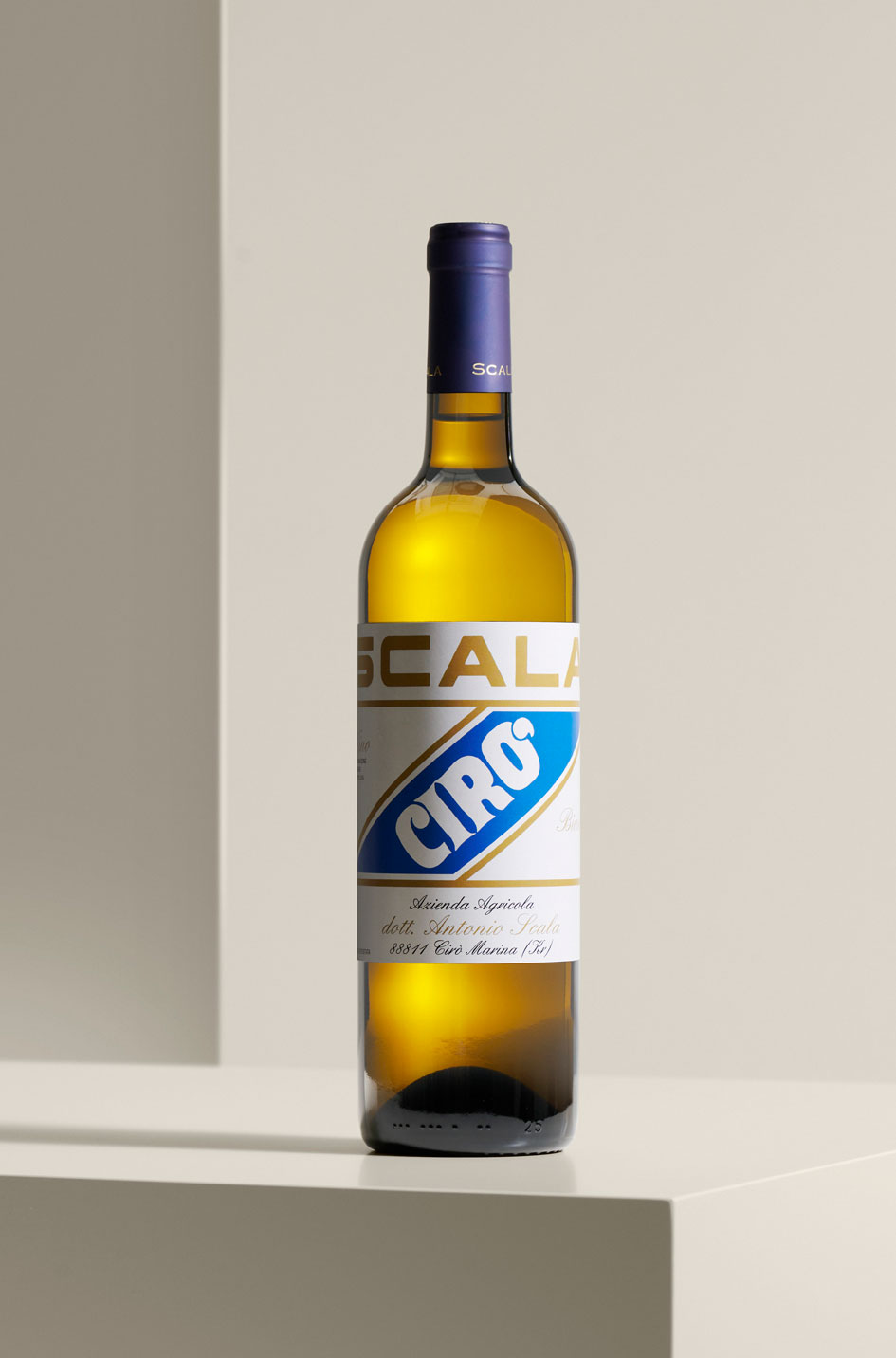
The best-looking label spotted by Monocle this year sits handsomely on Scala Cirò Bianco bottles. But it isn’t the work of a professional designer. “It was made by my grandfather, Antonio, in the 1950s,” says Francesco Scala, who is heir to the family winery. The blue and gold lettering and z-shaped layout instantly catch the eye. Sometimes a brand refresh needs no more than a look in the archives.
cantinascala.it
37.
Best urban intervention
Nathalie du Pasquier and Subbrixia
Italy
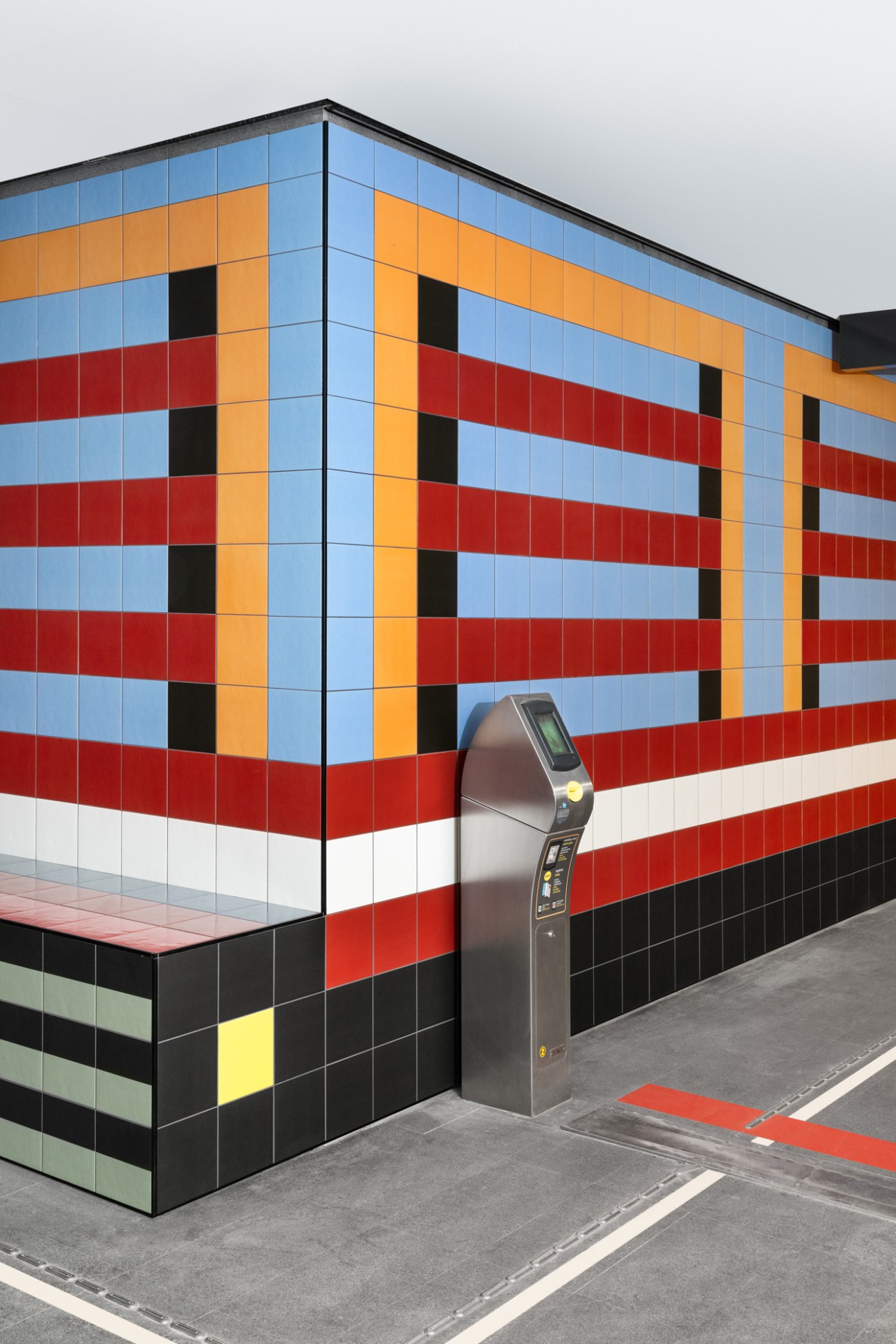
Brescia is the world’s smallest city with a subway system and now it has one of the best-looking too. At the entrance of the central Vittoria station, artist Nathalie du Pasquier, a founding member of the Memphis movement, has added colourful tiles of her own design, produced by Mutina, arranged in a playful geometric pattern.
Mind the Gap is the fifth commissioned project from Subbrixia, an initiative to place art into all of the city’s 17 metro stops. But Du Pasquier’s piece is the first to invite people to sit on it: it has a built-in bench.
“Brescia’s metro is already so functional but maybe the only thing that was missing was a stopping place with colour and warmth,” says Du Pasquier. “I wanted to make not just a work of art but something with utility.”
nathaliedupasquier.com
38.
Best for longevity
Emeco
USA
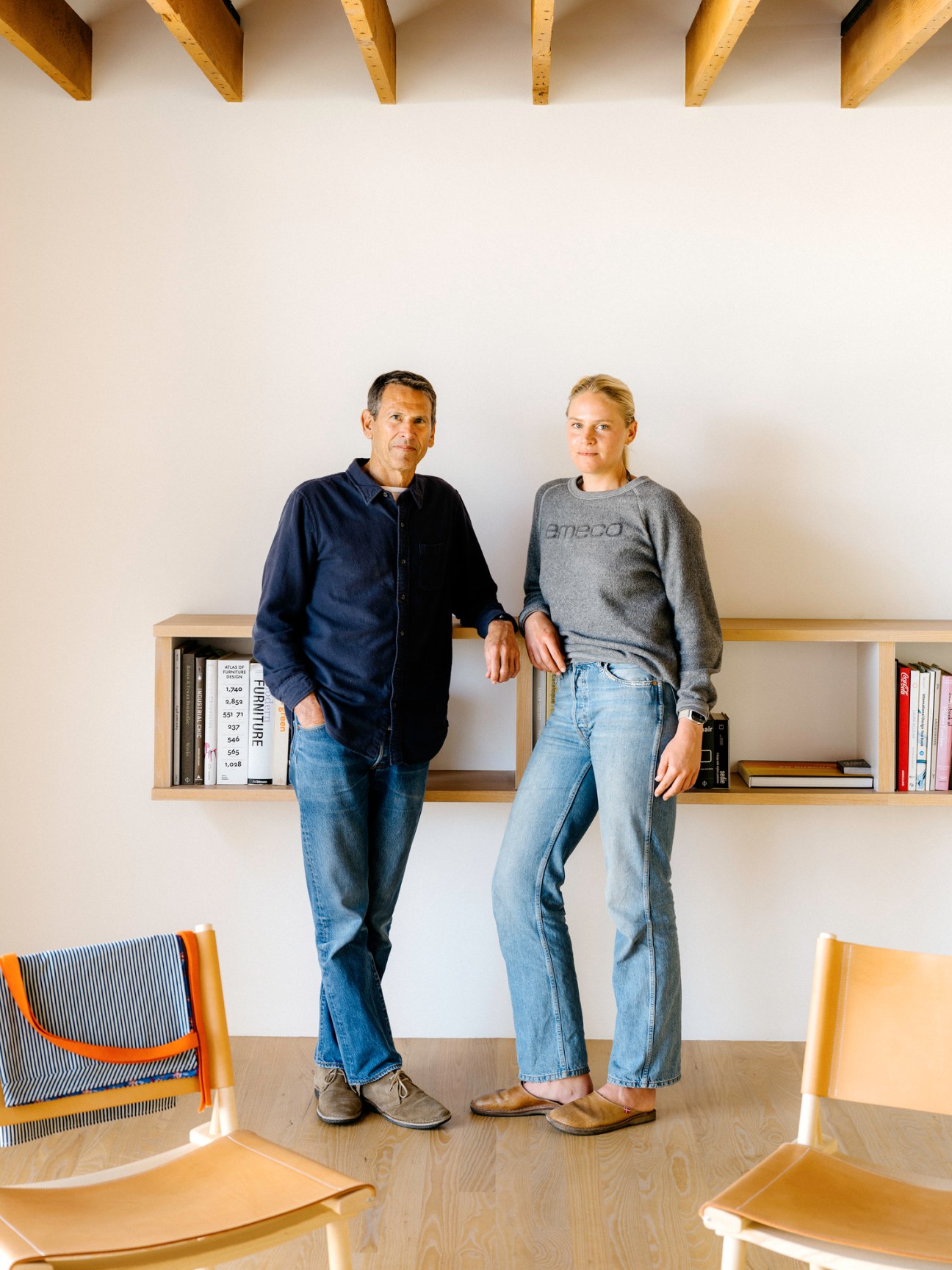
Emeco gets our Best for Longevity award. The company was founded in 1944 to supply the US navy with chairs made from recycled aluminium that made them “torpedo-proof” and resilient to salty air. In the 1990s, owner Gregg Buchbinder noticed that upmarket hotels were buying Emecos, and a subsequent collaboration with Philippe Starck took the brand out of its wartime origins and into Salone del Mobile. “Starck called it ‘heritage against recycling’, and that has always stuck with me,” says Gregg. “It gets to the essence of what we’re trying to say: make something well and keep it forever.”
emeco.net
39.
Best entrepreneur
David Giroire
France
After working for fashion and jewellery brands including Dior, Hermès and Repossi, David Giroire launched his agency David Giroire Communication in Paris in 2011. It has since established itself as an industry-respected communications agency, presenting a new generation of French talent in the worlds of architecture, design and art to buyers and the international media.
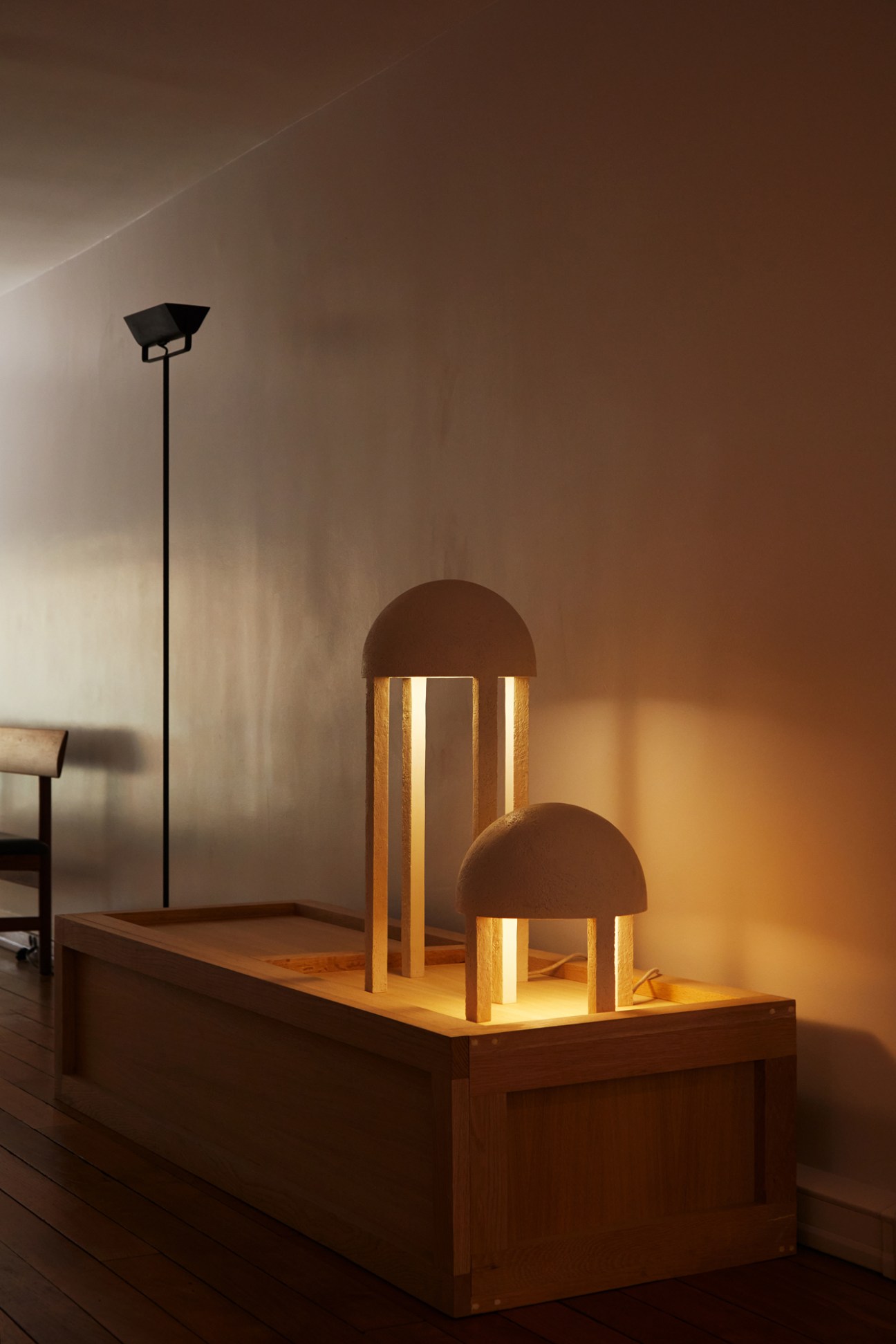
Giroire’s approach to communication wins him our Entrepreneur of the Year award, which we hope will find a space at his gallery in his offices at the Palais Royal. Here he hosts exhibitions and events to encourage casual face-to-face meetings. His passion for showcasing French design talent has extended to forming his own brand, Theoreme Editions, which champions sculptural, artisanal design pieces made in Europe.
davidgiroire.com
40.
Best retail concept
Cover Story Paint
Finland
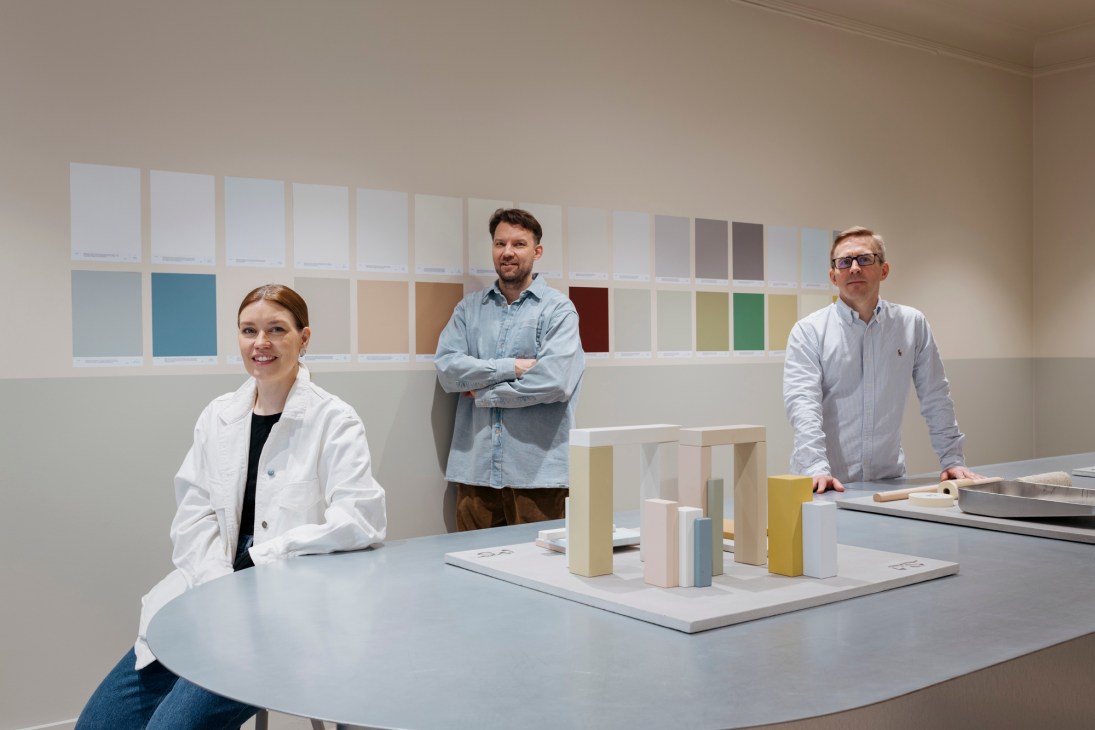
Paint plays a key role in how our homes look, yet the purchase process is rarely consumer-friendly. “We were dismayed by the fact that painting felt more like renovation than interior design,” says Päivi Häikiö, co-founder of Helsinki-based paint brand Cover Story. “You need to travel to nondescript hardware shops in the suburbs or in huge malls and don’t really know what kind of equipment is needed.” In contrast, Cover Story is located in a beautiful 1905 Art Nouveau building. The retail concept includes a collection of pastel-hued, plastic-free paints in well-designed containers and ready-to-use tools for the diy painter, making painting a creative and joyful task.
coverstorypaint.com
41.
Best for aspiring urbanists
Cody Block by Qubs
Switzerland
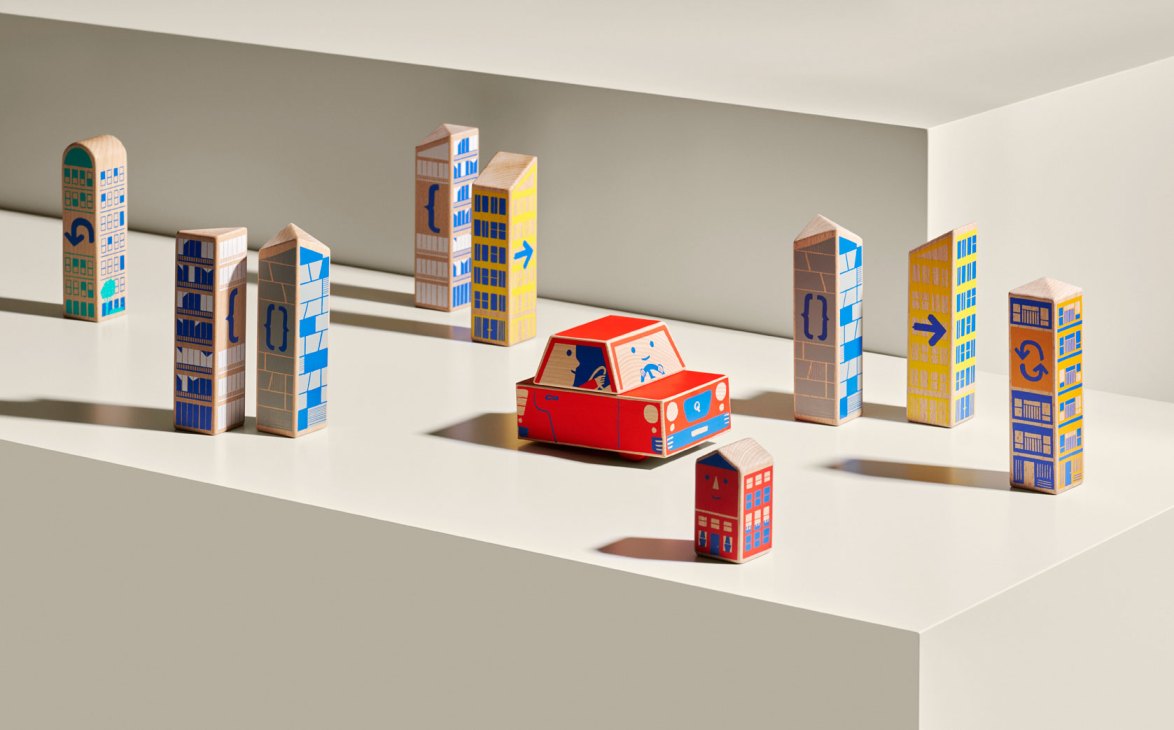
While originally designed for children, aspiring urbanists of all ages can map out the route of Cody, a self-driving toy car, through the placement of these beautiful timber building blocks. How? With the help of radio-frequency identification (RFID) technology, which tracks electric tags using radio waves, these pieces send signals to the toy vehicle that steer it in different directions. Users, whether child or adult, can then use the blocks to create a network of streets, which Cody automatically moves through. It’s worth celebrating as Qubs’ low-tech intervention has transformed the humble static building block into a toy that can feel just as dynamic as a real city.
qubs.toys
42.
Best wayfinding system
Snøhetta for Le Monde Group
France
A great wayfinding system responds to a place’s changing needs and enhances its character. Here is a perfect example – a modular system created by the design arm of Norwegian architecture giants Snøhetta at the Le Monde Group’s Paris headquarters. Made from poplar wood, the elements can be moved around steel frames whenever there’s an organisational reshuffle, and the lettering on the tiles pays homage to traditional printing methods.
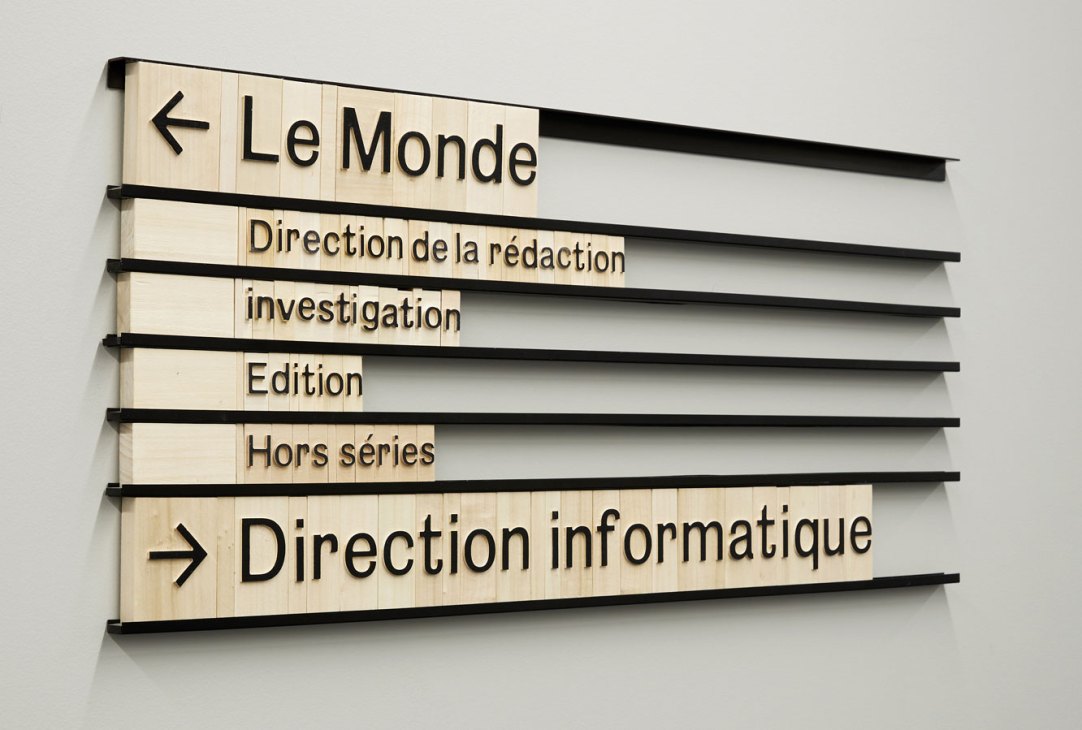
“We tried to make employees want to talk about the signage,” says Hedda Foss Lilleng, Snøhetta’s managing director of design. “If they do that, then I believe we’ve done a good job.”
snohetta.com
43.
Warmest design
Unio Collection by Poiat
Finland
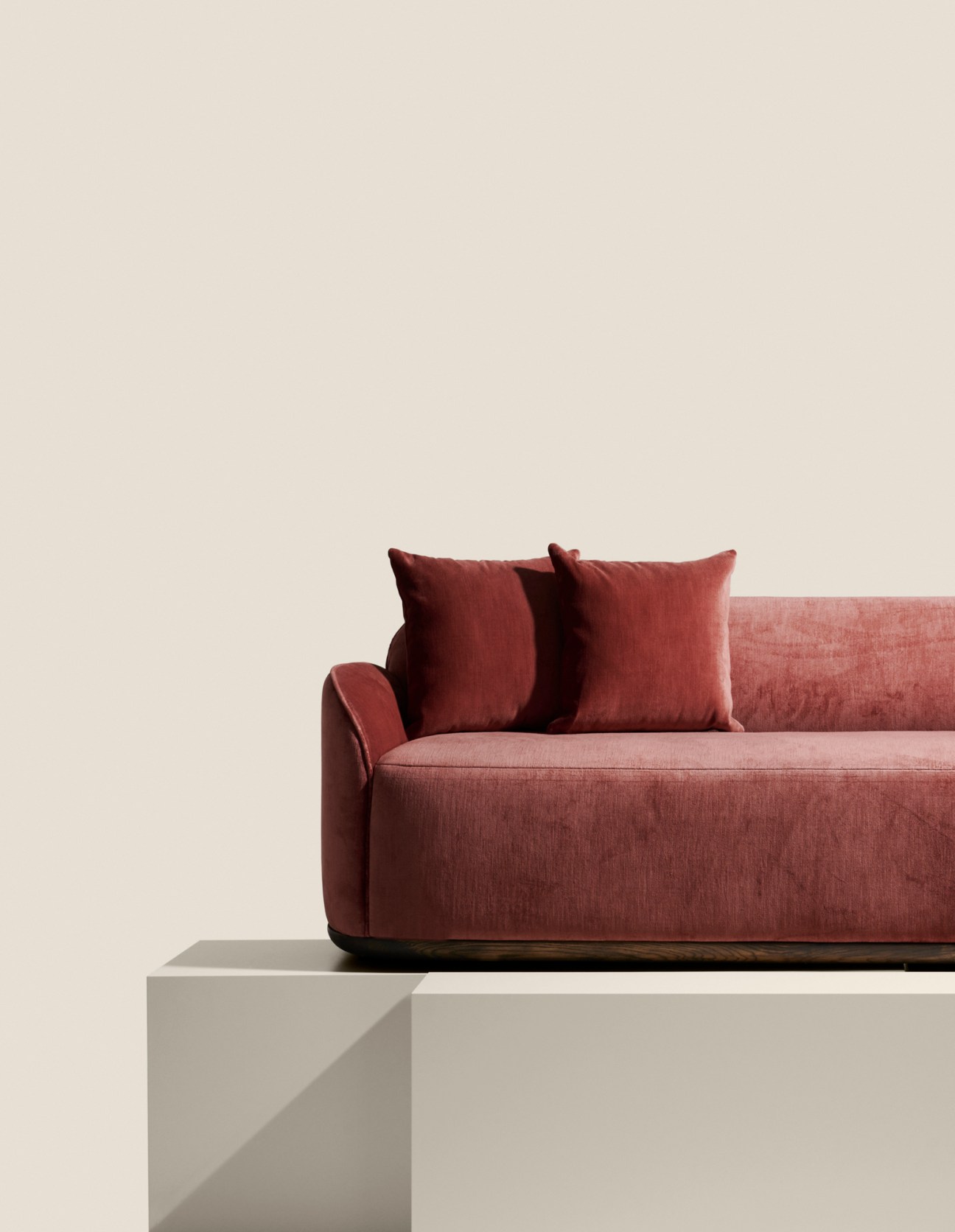
Monocle has championed the timber work of Finnish furniture company Poiat for years. It’s now moved into softer furnishings, including this cosy sofa, to bolster its well-crafted offering. “To be frank we are a little bored of ‘Scandinavian style’, which can be a bit too minimalistic,” says Poiat CEO Jenni Mikkonen. “For us, warmth is important.”
poiat.com
44.
Top design retreat
Borgo Santandrea
Italy
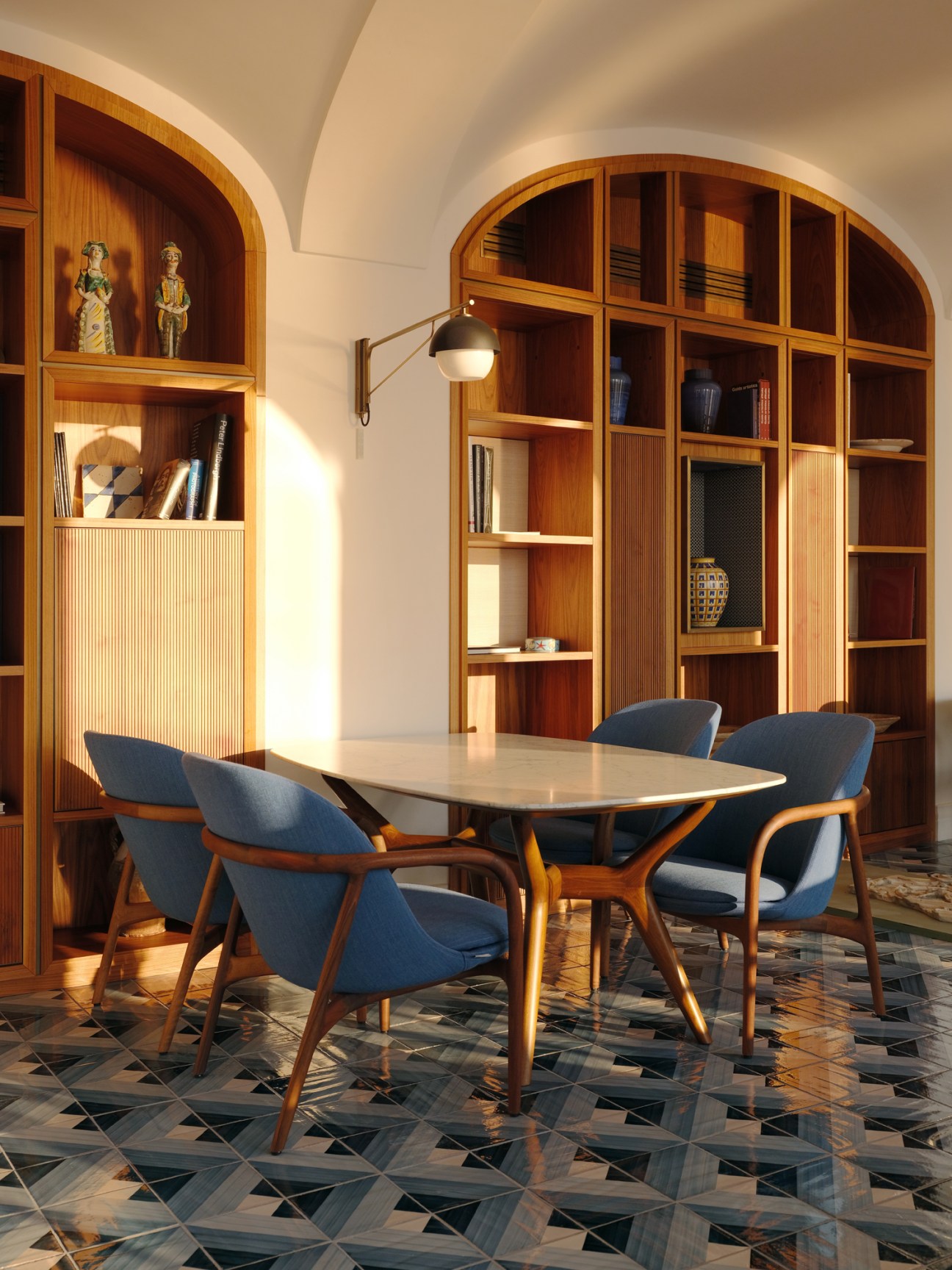
Last summer a luxury hotel opened on the Amalfi coast and shot to the top of our vacation wishlist. Built into the cliff in Conca dei Marini, Borgo Santandrea has the amenities of a five-star hotel: three top-notch restaurants, infinity pools and a private beach. Still, it is the interior architecture that makes the difference.
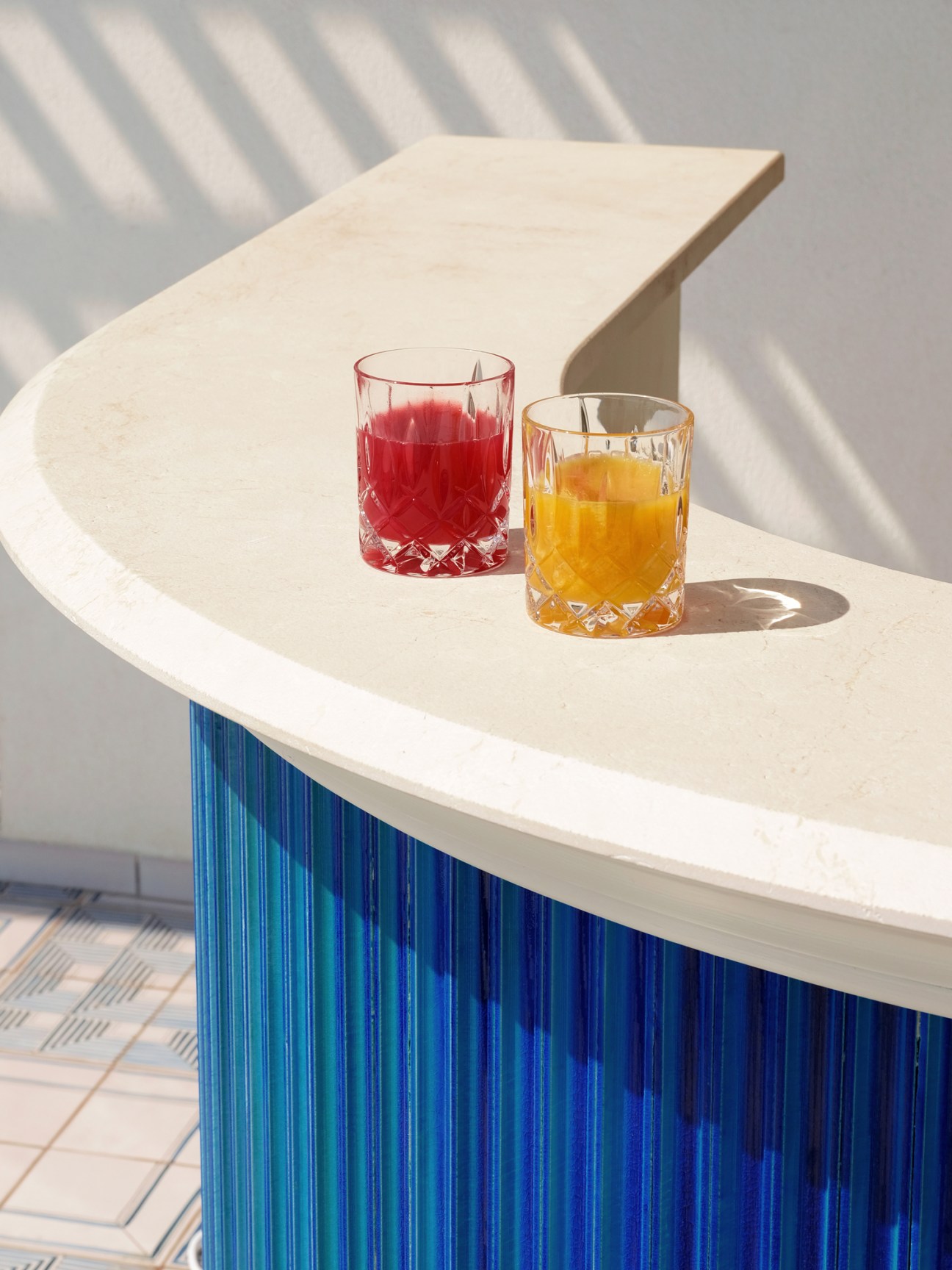
The eight floors are filled with Gio Ponti loungers faithfully reissued by specialist Molteni&C. Classic touches continue via tiles hand-painted by local artisans and vintage mid-century furniture from the owners’ collection. We’d happily move in.
borgosantandrea.it
45.
Best for kids
Choduk Playground by Art4d and SCG D’Cor
Thailand
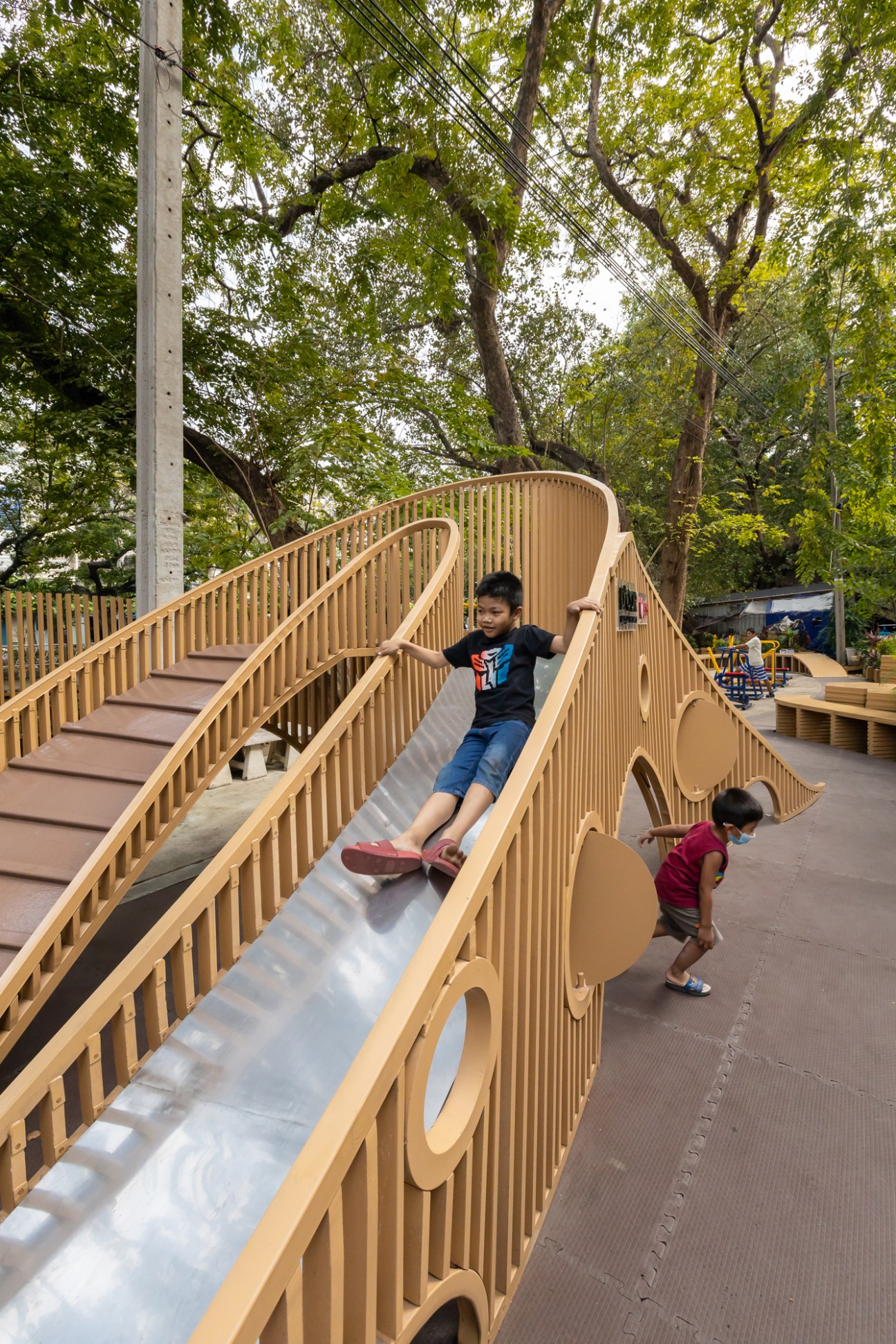
Playgrounds should leave room for a child’s imagination and encourage them to take risks – something that Bangkok’s Choduk Playground does intuitively. Commissioned by Art4d magazine and building product company scg D’Cor, its slide and stairs are perfect for children to clamber on and jump off. Meanwhile, the playful forms of its planter boxes and benches, inviting for little ones to scurry across, also offer an ideal perch for adults. This multi-generational appeal, as well as the involvement of locals in the design process, is proof that sometimes what’s best for kids is also best for grown-ups and the community.
art4d.com
46.
Healthiest design
Technogym Bench
Italy
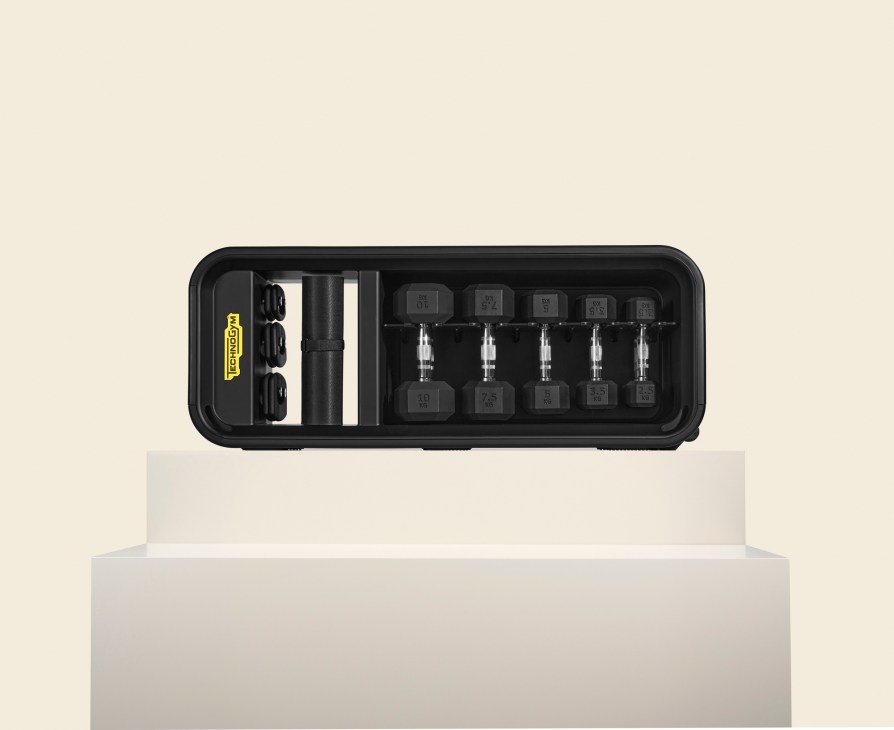
Good design should be versatile, functional and built to last. Technogym’s all-inclusive, compact training bench ticks the boxes. Combining elastic bands, hexagon dumbbells, weighted knuckles and a training mat, it’s made to be used in more than 200 types of workouts, from push-ups to weightlifting. It’s great for urban dwellers who want to invest in good fitness equipment but don’t have the room.
technogym.com
47.
Most unique design school
Paju Typography Institute
South Korea
This institute teaches design like no other. This year a new course combines farming, fermentation and greenhouse-making with art and design. “We don’t want our students to be just graphic designers but people who run farms, butchers’ shops or carpenter studios,” says former vice-director Lee Jae-ok. Monocle could not agree more.
pati.kr
48.
Most resourceful reuse project
Tank Park by Landlab
New Zealand
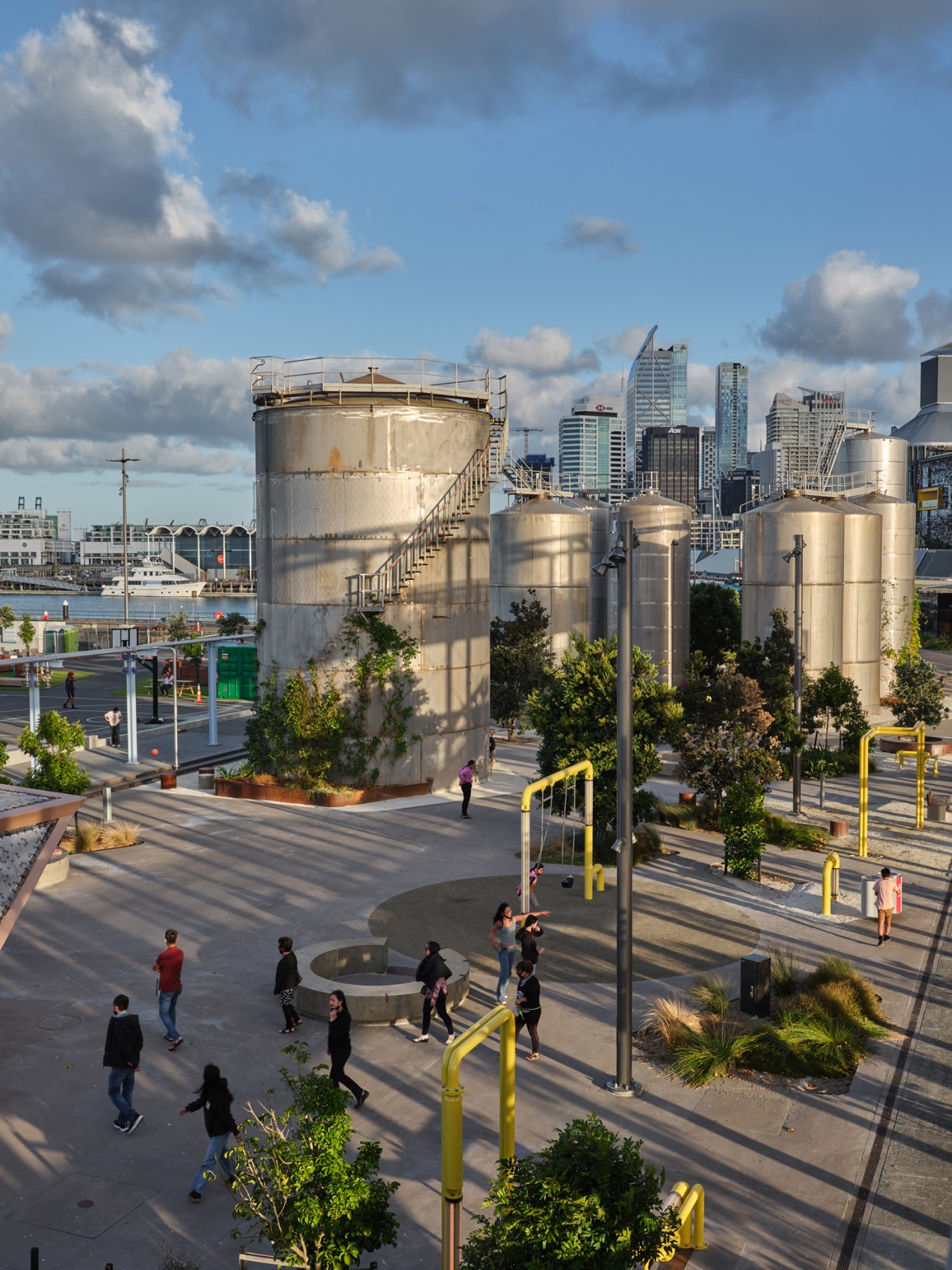
Once home to petrochemical companies, fishing fleets and boat builders, Auckland’s Wynyard Quarter is being transformed into a mixed-use precinct. While this is great for the city, many new structures don’t reflect the site’s rich industrial heritage: a missed opportunity that landscape architects Landlab addressed at Tank Park.
“Sites like this already have an identity,” says Landlab founder Henry Crothers. “So our work became about revealing its dna and finding ways to reuse the materials and infrastructure in a much more meaningful way.”
This outlook saw Crothers and his team repurpose some of the site’s old tanks into gallery spaces, which sit alongside a shelter for community gatherings, with play equipment for the children made from valves and pipes found on site.
It’s now a lively public space that pays tribute to the past and serves the new community’s needs, a worthy winner of a Monocle Design Award and a model for areas undergoing a transformation while retaining their character.
landlab.co.nz
49.
Best for back to work
Carlsberg Headquarters
Denmark
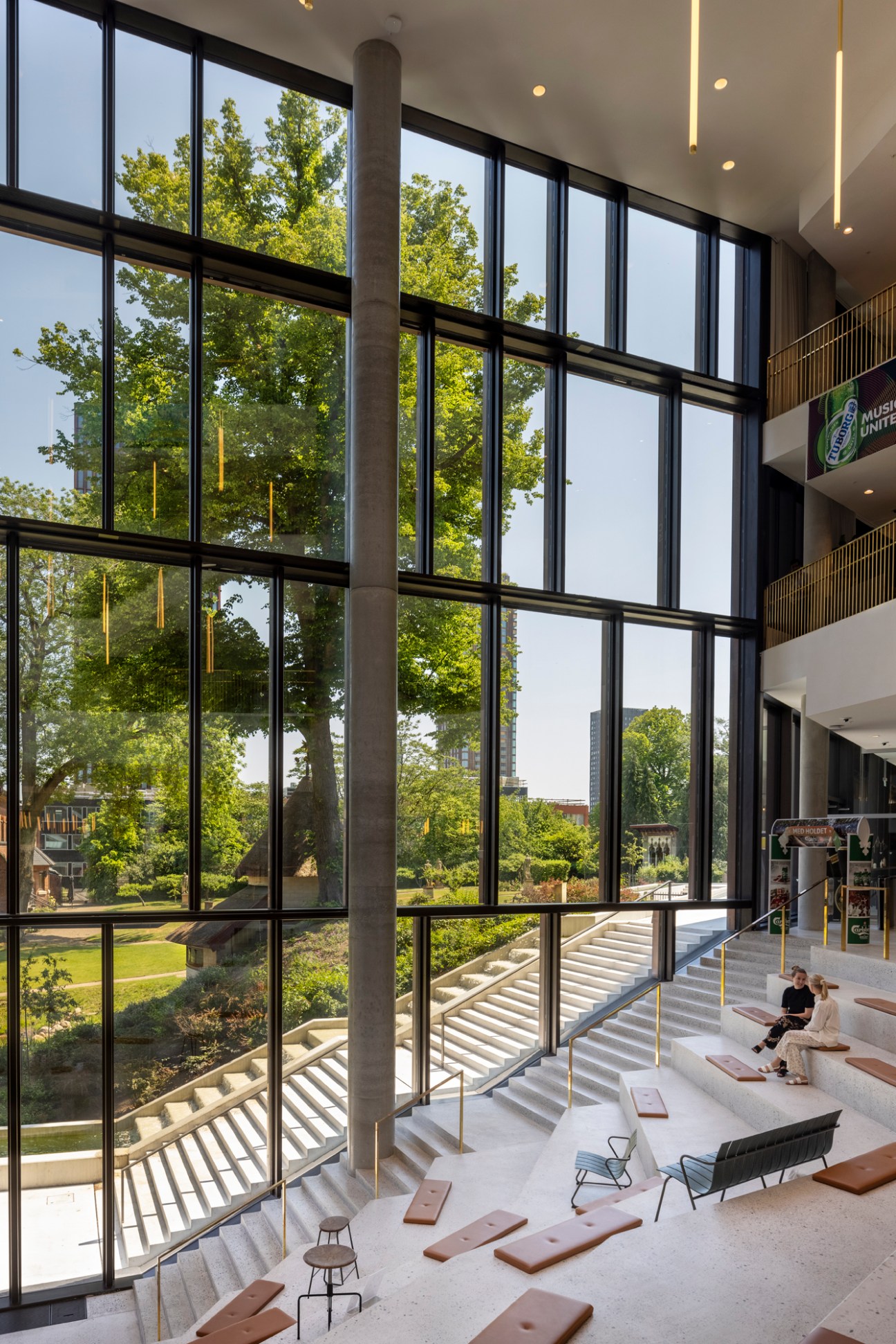
The opening of Carlsberg’s new global headquarters in Copenhagen, designed by Aarhus-based CF Møller Architects, was a significant moment for the city’s business community – one that we covered in Monocle’s September 2021 issue. And, with people now back at the office, we think other companies should be looking to the Danish brewer for inspiration. Buildings on its new campus enjoy plenty of natural light, lush surrounds and warm timber finishes. And there’s beer on tap, a move more workplaces should consider.
cfmoller.com
50.
Best do-it-all design
Part & Whole
Canada
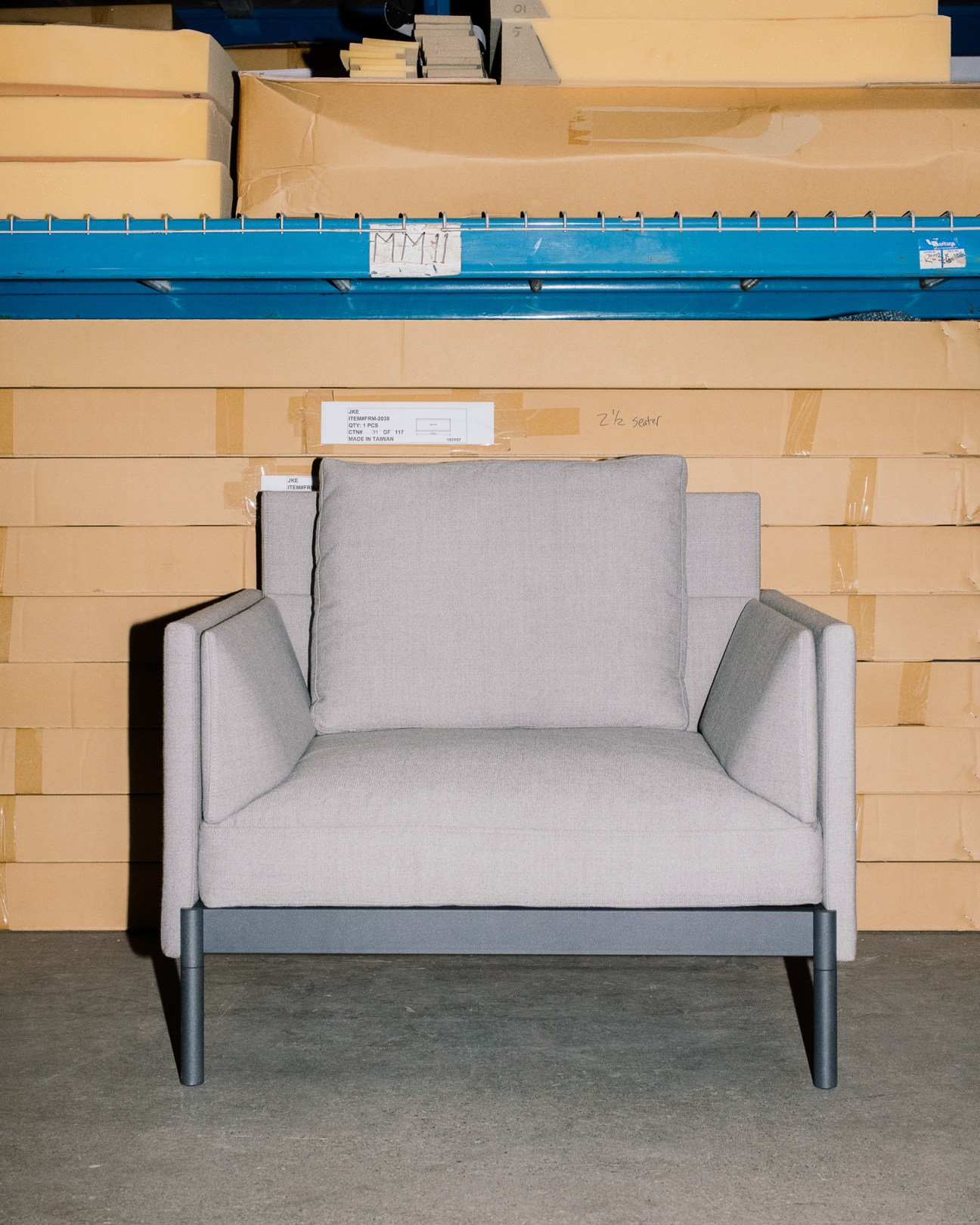
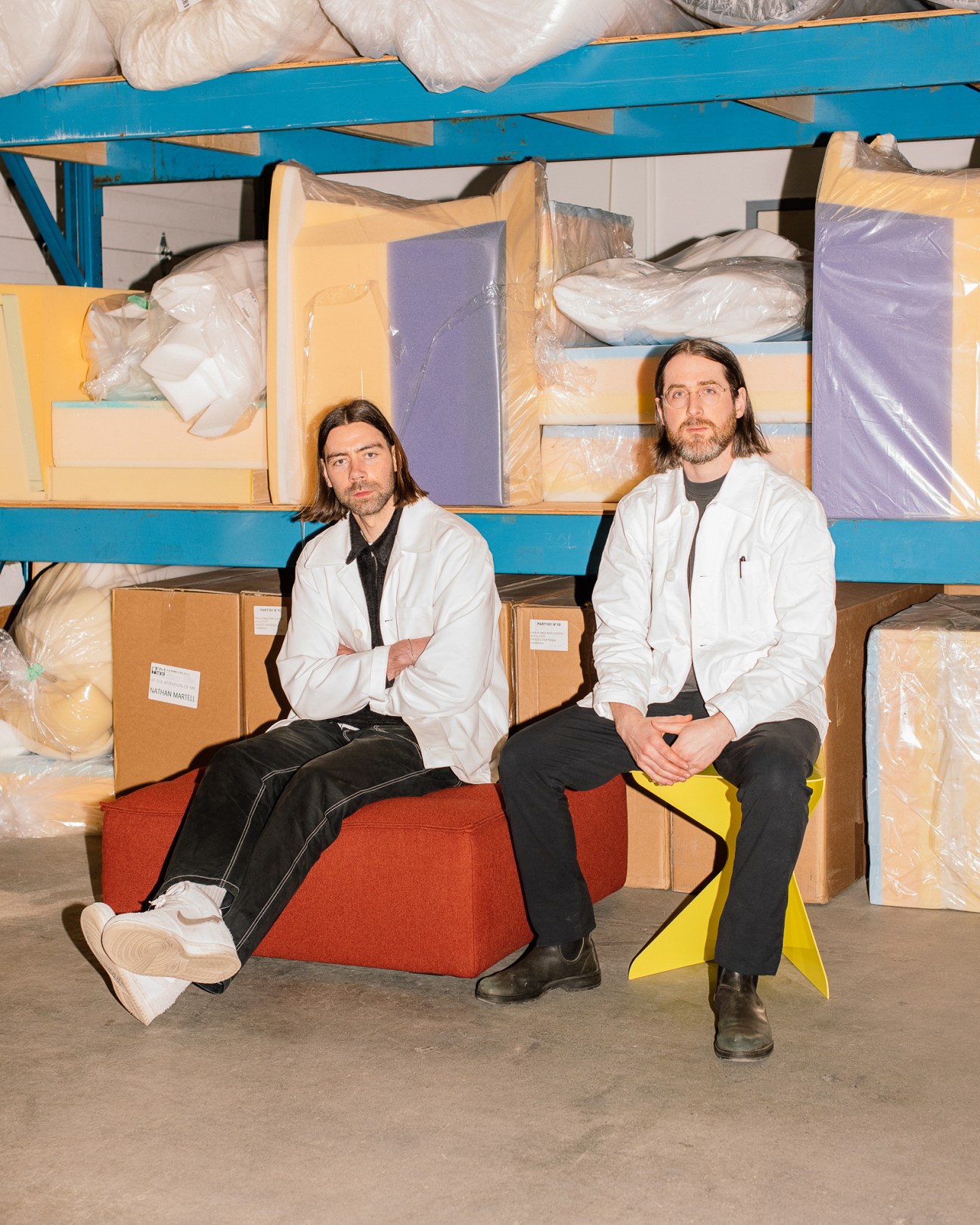
British Columbia’s Vancouver Island may not be a furniture-making hotbed but sofa brand Part & Whole certainly has our attention. Since launching in 2021 the outfit has released two modular sofa systems: Total and Chord, which can be reimagined to fit a user’s changing needs over time. A chair can have parts added to it to become a two-seat sofa or an L-shaped sectional. Fusing flexible design with refined forms, Part & Whole’s success at home is worthy of international attention. Not least because all prototyping, cutting, sewing and assembly is done in-house in Victoria. “Instead of asking a vendor to make a sample, then waiting three weeks for it to show up, we can have five different versions of something to look at in a week,” says co-founder Nathan Martell.
partandwhole.com
Refined trophies
For our winners
Global
As we’ve learnt putting together the Monocle Design Awards, mastery in this field is all about the careful refinement of a great idea. So we’ve applied this philosophy to creating our trophies. For this update of our inaugural trophy from 2021 – designed by South Tyrol’s Harry Thaler and manufactured in the north Italian region – the size and the finish have been optimised.
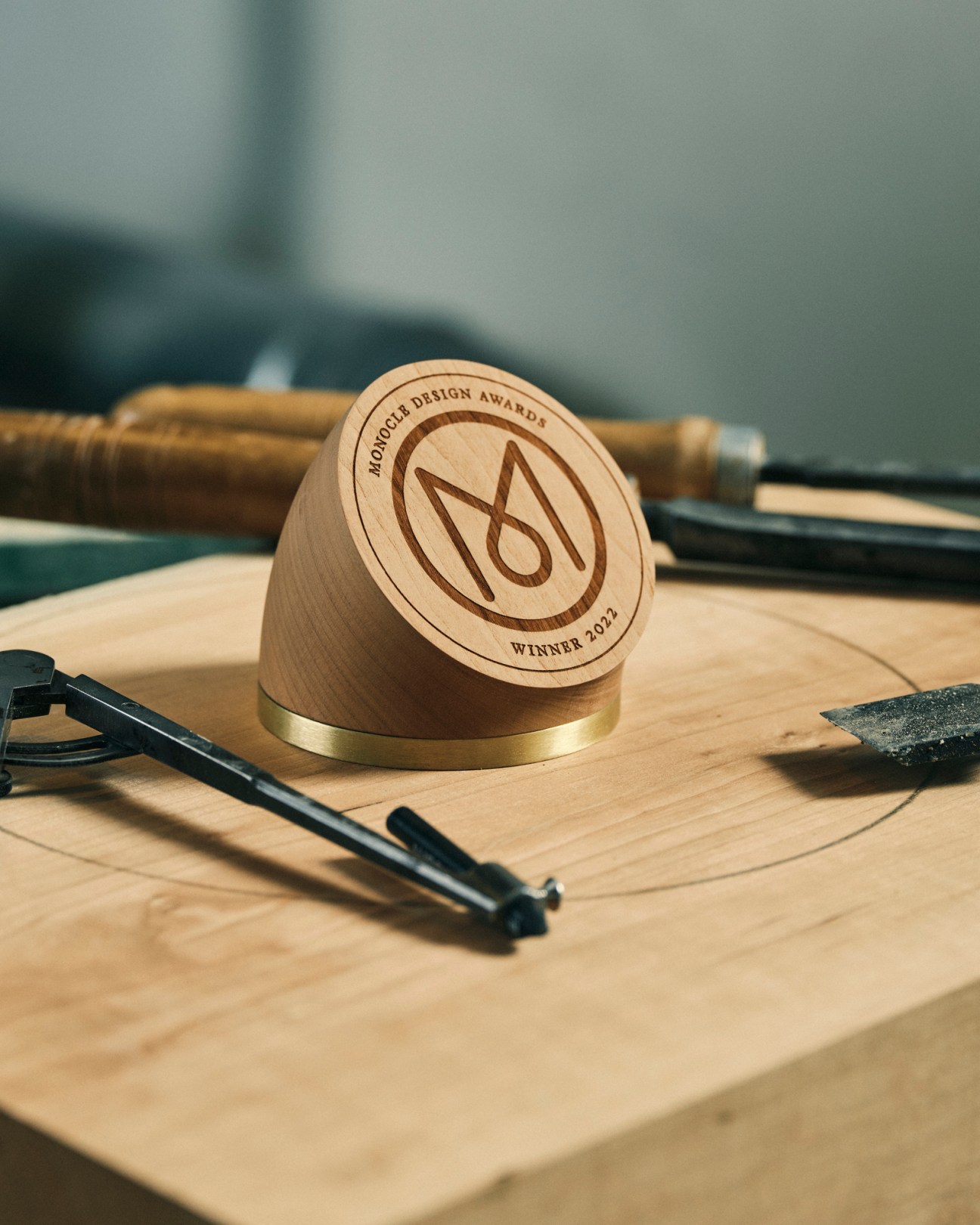
The timber is now cherry, which visually harmonises with the brass elements, and the size has been reduced to create a more compact, cosy feel. Designed to double as a paperweight, Thaler delicately balances function and form in what we feel is a worthy prize for our inspiring winners.
harrythaler.it
Images: Frederick Jones, Julien Regnier, Antoine Mercusot, Ketsiree Wongwan/art4d, Sam Hartnett.